









Fashion industry being transformed by augmented reality
In a previous ASI article, it was cited that over the last few decades, as technology evolves, fashion seemingly doesn’t want to be left behind. Therefore, fashion merging with technology is no longer something out of this world. Recently, the merger culminated in wearable technology products that have changed the daily life of anyone who wears them. These electronic devices worn as accessories on the body provide some benefit to the wearer, very often making use of AI tools.
Today, the clothing fashion is going the digital route as well. Referred to as digital fashion, it is defined as “clothing that is not physically manufactured, including game skins, avatar clothing, and non-fungible tokens (NFT).” Traditionally, digital fashion has been the reserve of video games and avatars, with players using digital clothing to express their own identity or that of their character. However, with the integration of augmented reality (AR), digital fashion is expanding and is gradually beginning to have applications in the real world.
Most people are now familiar with the concept of augmented reality in specific contexts. Lots of gamers, for example, are familiar with interactive experiences that combine real-world and computer-generated content. In the context of fashion, however, augmented reality is only just beginning to take off. However, it has a number of applications that have the potential to disrupt the industry. AR involves the real-time integration of digital information into a user’s environment. To illustrate, let’s take the example of Pokémon GO.
When using Pokémon GO in AR mode, a Pokémon will suddenly appear on the screen of the device that you are using to capture reality. Integrating this technology into digital fashion has significant implications, since it allows people to view themselves wearing digital clothing and even take videos and pictures. There are many potential benefits to digital fashion, and since 2018 several major fashion brands have been exploring the trend.
The first significant advantage of digital fashion over physical fashion is that it is considerably more sustainable. With digital fashion, there is no need for physical production, which limits the environmental impact of the fashion industry and helps build a more sustainable future. According to one source, by replacing one discarded item of clothing in your wardrobe with digital fashion, you can save 3,300 gallons (about 12,000 L) of water and reduce your carbon footprint.
Designers also have more creative freedom with digital fashion, since they are not limited by the availability of materials, production methods, or costs. By affording designers unlimited creative freedom, we enable them to experiment and come up with even more innovative and groundbreaking designs. Virtual clothing can also be more affordable and accessible than physical clothing. This opens the world of fashion up to a much broader audience.
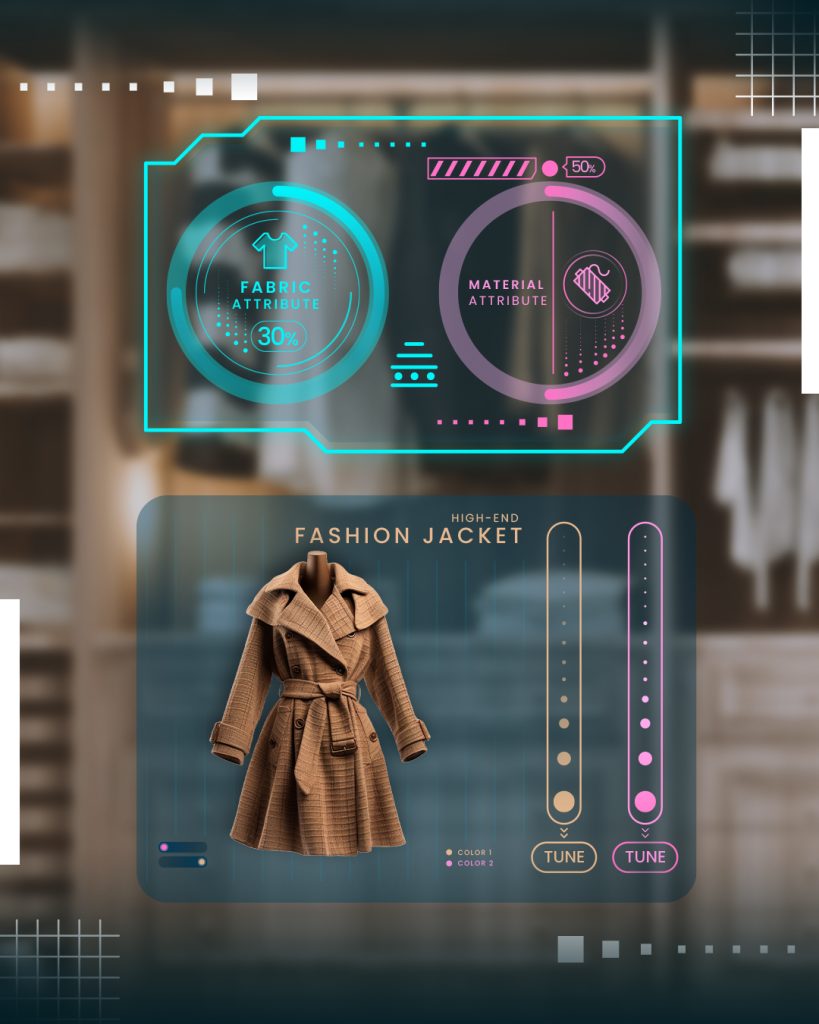
Finally, there is the interactivity element and the fact that it’s fun! Digital fashion means engaging, interactive experiences, such as virtual fashion shows and try-on sessions. Luxury fashion brand Gucci, for example, has entered the world of digital fashion by designing their own virtual sneakers. Moschino, too, has begun to experiment with digital fashion by collaborating with none other than The Sims. Amid this emerging trend, virtual fashion is not set to replace traditional, physical fashion, but rather it is meant to serve as a much-needed complement.
Reference: How augmented reality is transforming the fashion industry