







HP adopts ‘pricing actions’ amid industrywide memory chip shortages
Across the globe, HP is accelerating access to technology, digital literacy, AI and digital skills content. By ensuring greater access to digital skills and economic opportunity, the company aspires to equip disconnected adolescents and adults with the critical skills needed for the Future of Work. HP continues to leverage its strong focus on digital equity, strategic industry partnerships, and public policy advocacy.
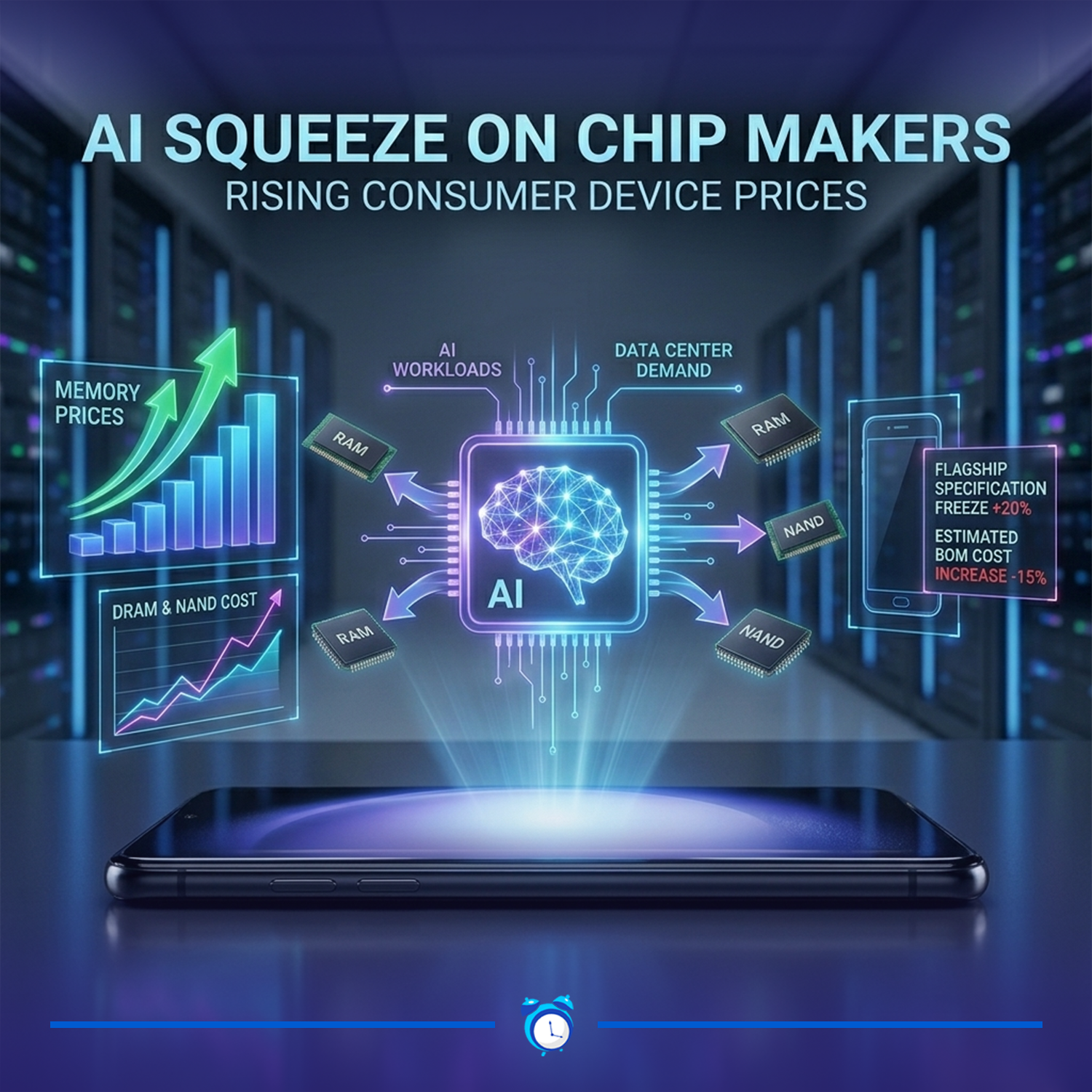
In late 2025, the global semiconductor ecosystem began experiencing an unprecedented memory chip shortage with knock-on effects for the device manufacturers and end users. Shortages have become a major challenge for HP and other OEMs as Big Tech gobbles up chips fresh off the assembly line in an ongoing AI spending spree. Direct random access memory and NAND flash chips have become scarce.
The rapid expansion of AI infrastructure and workloads is exerting significant pressure on the memory ecosystem. These AI workloads require large amounts of memory, and the shortage, in part, is driven by a reallocation of manufacturing capacity away from consumer electronics toward high-margin memory solutions to support AI.

“We fully agree that prudential standards should remain proportionate to the evolving risk profile of rural banks as they transition toward more technology-enabled operations,” the RBAP said.
“However, we hold strong reservations against the manner in which the digitalization of rural banks is proposed to be carried out,” it added.
Among the concerns raised by RBAP is the BSP’s proposal to classify full digital onboarding capability as an indicator of operational complexity, which could trigger higher prudential requirements. The association said the approach might be too broad and should instead consider whether such capability materially changes a bank’s risk profile.
RBAP also questioned the proposed 30-percent threshold on customer accounts located outside a rural bank’s physical areas of operation. It said the rule may be difficult to implement and could create unintended consequences. The association noted uncertainties over how “physical areas of operations” would be defined, warning that strict geographic limitations could reduce access to formal financial services, especially in border areas or regions with mobile populations.
The Bangko Sentral ng Pilipinas, the nation’s central bank, regulates all banks in the country. Philippine banks are classified as universal, commercial, thrift, rural, cooperative, and Islamic banks. Universal banks offer a wide range of services, including investment, commercial and development banking, mutual funds, and housing loans.
Commercial banks—privately owned institutions—are the largest financial group and most popular among customers for their extensive service offerings. Expanded financial inclusion measures have improved Filipinos’ access to a diverse range of financial services beyond traditional banking. Digital banks and e-money platforms are positioned to further strengthen the Philippine banking infrastructure.
HP saw memory costs spike 100% compared with the prior quarter and expects further increases as the year goes on. Memory and storage component costs will rise to 35% of HP’s PC production costs this year, up from roughly 15% to 18% during FY2025’s final quarter, according to CFO Karen Parkhill.
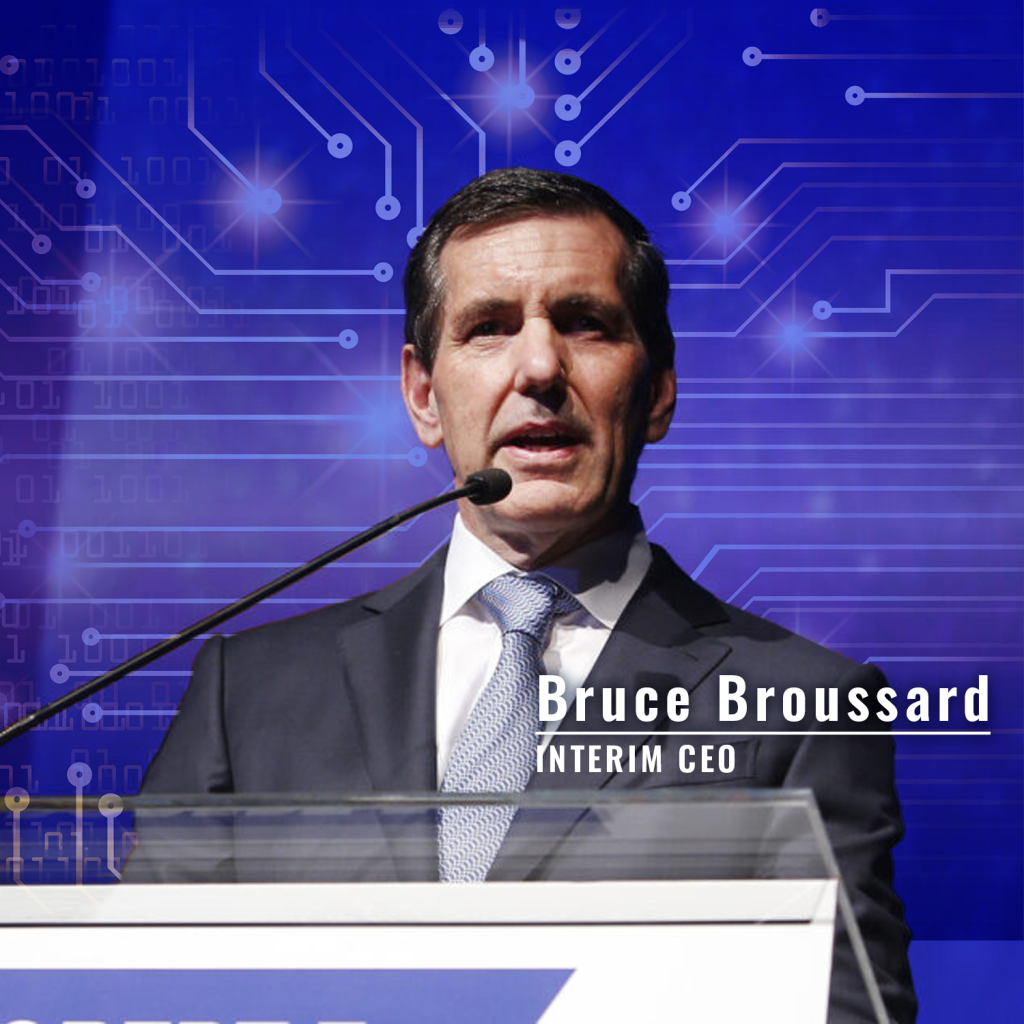
Interim CEO Bruce Broussard said: “We are taking targeted pricing actions to offset the remaining cost impact in close partnership with both our channel and direct customers.” He added: “We expect this volatility to remain throughout fiscal ’26 and likely into fiscal ’27.”
Meanwhile, the company has instituted a three-pronged strategy to manage chip shortages and mitigate price increases. HP leaned on suppliers to meet its memory requirements for the rest of the year and leveraged AI to lower logistics costs, according to Broussard.
HP is also using AI to upgrade its channel partner processes. Broussard indicated that HP would be deploying a digital assistant to answer questions, act on queries and proactively guide partner procurements.
Incidentally in Dec. 2025, US-based memory supplier Micron announced its exit from the consumer market. The company will retire memory products sold under the Crucial brand, which includes NVMe SSDs and external storage, as well as DDR4 and DDR5 RAM. The move comes as a shocker as it is poised to worsen the ongoing memory shortage in the market.
Micron’s exit will leave a gaping hole in the consumer memory market, depriving PC builders of the trusted Crucial brand. It also remains unclear if any company can fill the gap when analysts are warning that the memory shortage could last for years. Samsung and SK Hynix are also reportedly prioritizing profitability over risky expansions.
Research firms IDC and Counterpoint both now expect global smartphone sales to shrink at least 2 percent this year, in a sharp reversal from their growth outlook a few months ago. That would mark the first annual decline in shipments since 2023.
Reference: HP takes ‘targeted pricing actions’ as mass memory chip shortages persist | Channel Dive

