







Human brain cells crafted by scientists to conceive a ‘living computer’
In 2022, Australian researchers at Cortical Labs succeeded in creating a self-adapting computer “mini-brain” by combining 800,000 human and mouse neurons on a chip. To achieve this, the researchers behind the prototype spent six years developing tiny groups of neurons. In July 2025, the Australian tech start-up launched the “first commercialized biological computer” made of human brain cells at a conference in Barcelona, ABC News Australia reported.
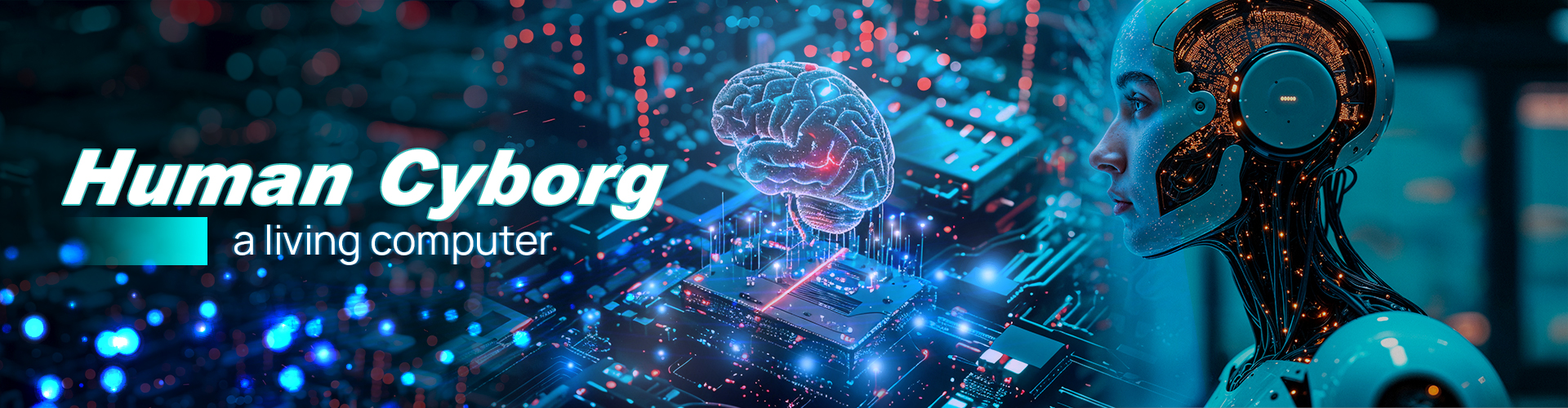
Called CL1, the “bio-computer” relies on neurons placed on a chip that exchanges electrical signals with a neural network, while the computer sends information to the neurons that respond to it. Silicon chips, on the other hand, send electrical signals to neurons via small electrodes and capture their responses in return, like a miniature brain.
Grown in the lab from blood cells, the neurons “are kept alive in a dish that feeds them nutrients and keeps unwanted microbes away,” the researchers explained. Combining traditional chips with artificial intelligence and human neurons, CL1 could offer a more advanced form of intelligence than any AI currently available on the market.
The team behind it believes it could be used as a type of simple biological AI, but others are cautious about the technology’s potential. Cortical Labs is therefore proposing a “synthetic biological intelligence,” which would be capable of making complex decisions from a small amount of data, unlike existing systems.
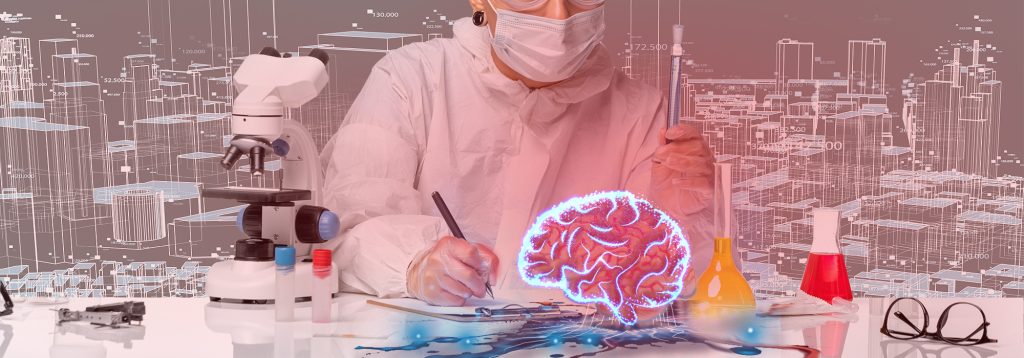
“Our technology merges biology with traditional computing to create the ultimate learning machine,” the Australian start-up says on its website. Brett Kagan, the scientific director of Cortical Labs, told ABC News: “This is a task that “humans, mice, cats, and birds can do (but not AI at the moment).”
The media outlet ‘New Atlas’, which reported on the company’s premises, noted that CL1 “learns so quickly and flexibly that it completely outperforms the silicon-based AI chips used to train existing large language models like ChatGPT.” This new biocomputer also has the advantage of being less energy-intensive than other AI engines, while the high consumption of Chat GPT is often criticized.
Further, CL1 accomplishes all its tasks with only 20 watts. Cortical Labs isn’t the only lab developing hybrid computers: Swiss start-up FinalSpark developed a biocomputer composed of 16 mini human brains in 2024, while Johns Hopkins University is exploring the integration of brain organoids into machines.
However, some AI experts are skeptical. French artificial neural network specialist Claude Touzet believes that these systems are incapable of performing intelligent calculations because the organization of neurons in machines is not the same as in the human brain.
Innovations in the world of technology are constantly emerging. One can’t help but get caught unaware of things to come because they happen fast. The best thing to do is to be always on the lookout for what is new because advances in technology continue to surprise.
Reference: Scientists create a ‘living computer’ made from human brain cells
