







Online content drives engagement, but influence on people’s mind deepens
Content is what drives engagement in the digital world. And the digital world run by the world wide web or the internet is also a space, an online space where computer networks connect the entire physical world. The rapid progress in technology has enabled the internet to connect people from anywhere in the world via electronic means.
The internet has created online platforms where people interact in a virtual world thus the absence of physical connection. Those platforms or channels are now collectively called “social media.” Many believe it’s the new kind of media, not replacing the traditional, but enhancing the field of human interaction through communication.
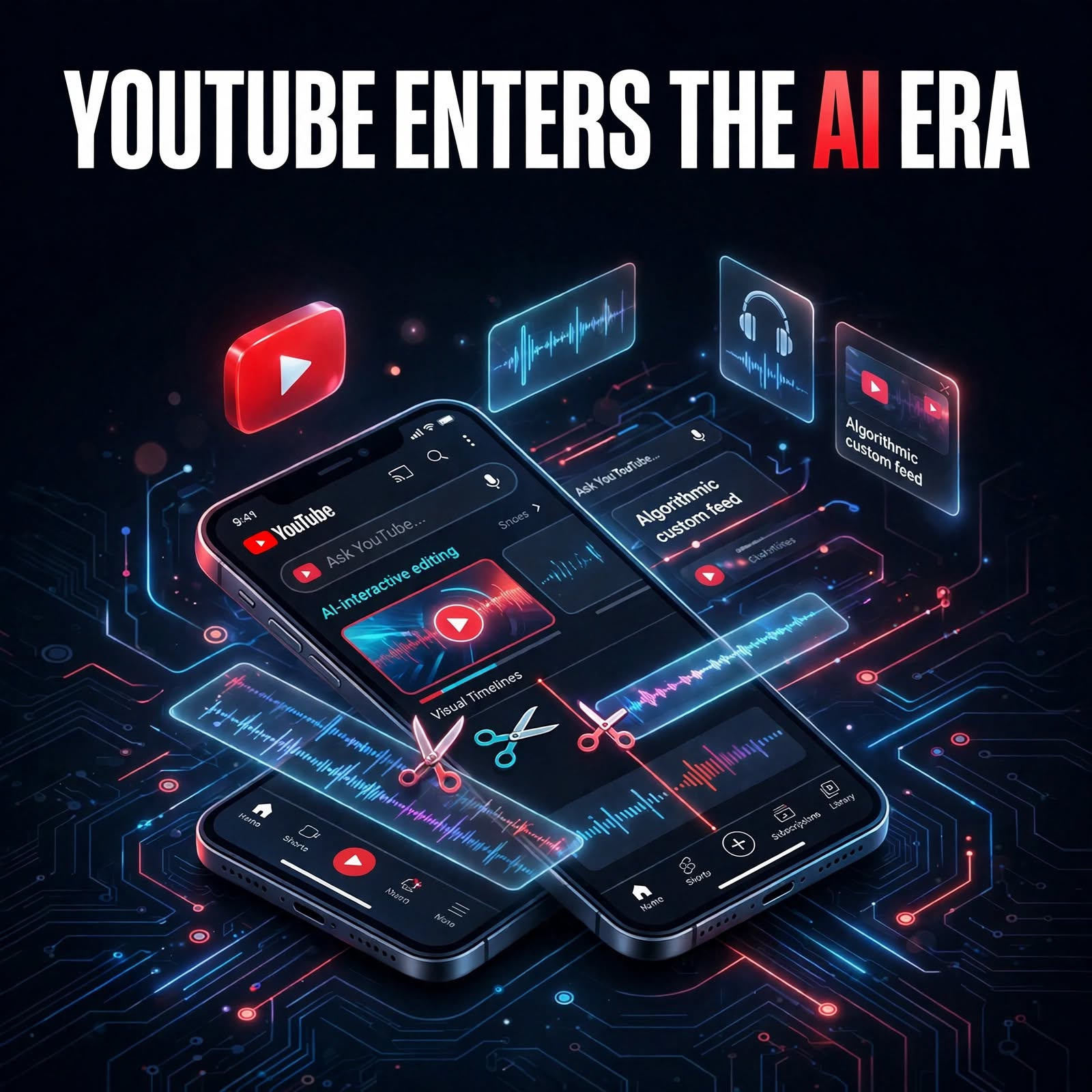
Facebook, Instagram, YouTube, X (Twitter) have emerged and have become popular but other platforms and applications are catching up. These new media tools have transformed social networking for almost two decades now. Content or content creation has become a digital gold mine in the age of social media.

Flip Phones. Flip phones have become a small escape hatch for people who want calls and texts without carrying every app they’ve ever regretted downloading. The Motorola Razr still has that snap-shut satisfaction, and newer basic phones give people a way to be reachable without being fully swallowed by a screen.
iPods. Used iPods are getting attention again because they do one job and one job only. Loading a Nano, Classic, or Touch with your own music library feels more personal than letting an app decide what you should listen to.
Instant Cameras. Polaroid and Fujifilm Instax cameras keep showing up at parties, weddings, dorm rooms, and weekend trips because the photo provides a tangible memory. The colors can be strange, the flash can be harsh, and someone will probably blink, but it’s still more fun than uploading memories to Google Photos.
Point-and-Shoots. Canon PowerShots, Sony Cyber-shots, Nikon Coolpix cameras, and other small digital cameras from the 2000s are back in purses and jacket pockets. They make photos look less polished than iPhone shots, with red-eye, blur, and flash glare that somehow feel closer to how the night actually felt.
Wired Headphones. Apple EarPods and other wired headphones have gone from boring backup gear to an actual style choice. They don’t need charging, they don’t vanish into couch cushions as easily, and they’re much more budget-friendly.
Cassette Players. Cassette players and tape decks are getting attention from people who like music that takes a little effort. Rewinding, flipping sides, and dealing with a worn-out case can be annoying, sure, but the whole process feels more involved than tapping shuffle for the 400th time.
Boomboxes. The modern boombox comeback is more of a compromise than anything else, since plenty of new models look old while offering Bluetooth connection. That mix gives people the chunky 1980s and 1990s look without asking them to fully return to D batteries, warped tapes, and radio static.
Reference: 20 signs the internet is falling back in love with old tech

Self-expression has never been too liberal or liberating using these online channels. In fact, self- expression is the primary motivation in creating content for any of these mediums. And the online trend of social media posts came to be, sending these social networking companies into earning multibillion-dollar revenues.
Facebook alone has 3.07 billion monthly active users (MAUs) worldwide. In the beginning, one might presume that what people post on their social media accounts should be something their online friends would like. But as the number of socmed users grows to unstoppable quantity, quality of content has become almost entirely subjective. The online world being a virtual reality kind of existence doesn’t impose limitations on the nature of what people want to express in their respective accounts.
The issue of morality, attitude or behavior, even religion is something social media doesn’t mind or consider a huge deal despite the backlash or bashing among certain groups who still uphold some standards of belief in today’s this 21st century digitally driven way of living. The more controversial the content, the more it’s bound to draw attention which in socmed terms is known as “going viral online!”
Short-form videos like Reels and TikTok have become easy tools to advertise oneself. But it’s actually confusing with regard to people’s goal why they randomly expose themselves to be seen even by minors. Social media’s very permissive mechanism has normalized just about everything in the world! But isn’t this hiding the real danger, for all we know?
The “normal” idea has become acceptable! Acceptance is key — in the guise of content. Well, content nowadays has become the norm. The good side is, it can be monetized and therefore has become a source of income for many. On the other side, which is deemed the “bad side” is too much random information and visual materials can rather be overwhelming influence for just about anybody.
Social media, being a media platform, primarily functions as source of news, information, general knowledge and entertainment. But the nonstop flow and sheer volume of materials can really be intimidating and outright disturbing. What is really alarming is the influence on young minds in the time when they are most vulnerable to absorb anything they see on the screen.
In Dec. 2025, Australia made history by enforcing a legislated social media ban for their citizens who are under 16 years of age. The country became one of the first nations to push back so forcefully against tech companies with immense political power, in a move other countries are looking at closely. The government says unprecedented measures are needed to protect children from “predatory algorithms” filling phone screens with bullying, sex and violence.
The Philippines followed the course as CIBAC Rep. Bro. Eddie Villanueva filed on March 11, 2026 House Bill No. 8262 or the “Social Media Protection for Minors Act” that aims to ban minors under 16. According to the bill, the act is meant to regulate access to minors by establishing a minimum age when accessing social media platforms.
Technology plays a huge part in our everyday lives. Most of us would suddenly switch to panic mode if we accidentally leave our phone at home. Modern technology comes with incredible benefits and improves our quality of life, but it can also leave a negative impact on our mental health and our relationships if we’re not on guard.
We tend to turn to our devices to fill any small gap in our day. This reduces the amount of time we spend noticing our surroundings and appreciating its beauty instead. Technology is essential for most people, but we can become more mindful and more present in our daily lives if we set some limits for ourselves. – MEDEL VIVAR