








Philippines may shift to integrated infrastructure planning on AI growth
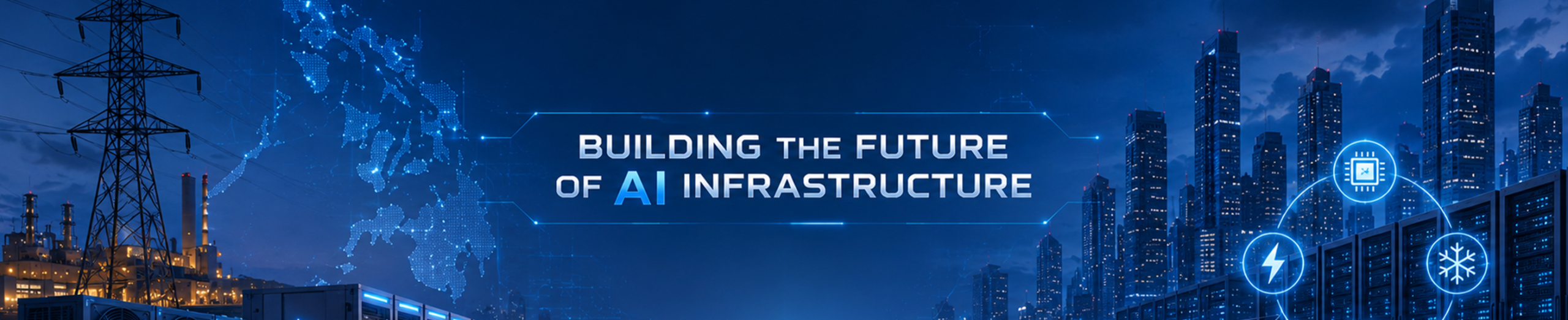
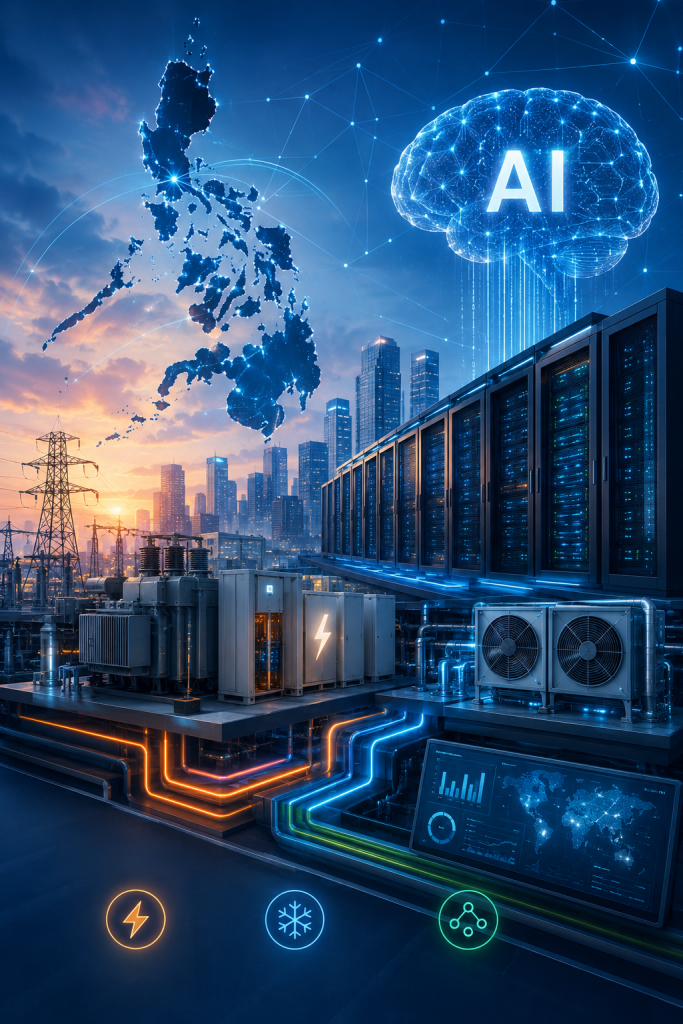
According to insights from the Vertiv Frontiers Report, AI is increasingly becoming an infrastructure challenge reshaping how enterprises, governments and digital ecosystems plan for compute, power and resilience. The report highlights how AI-driven workloads are accelerating the need to rethink data center design as an integrated system of compute, power and cooling.
Nico Echavarria, country head of Vertiv Philippines, stated: “The acceleration of AI workloads, particularly those driven by large-scale models and real-time inference applications, is placing significant and growing pressure on digital infrastructure. AI readiness is no longer simply a question of digital capability but if systems can sustain the compute, power and cooling intensity of modern AI workloads.”
“Yet many organizations continue to approach this shift through incremental upgrades rather than system-level redesigns. Vertiv’s approach integrates power, cooling and management systems to support this holistic infrastructure redesign,” he added.
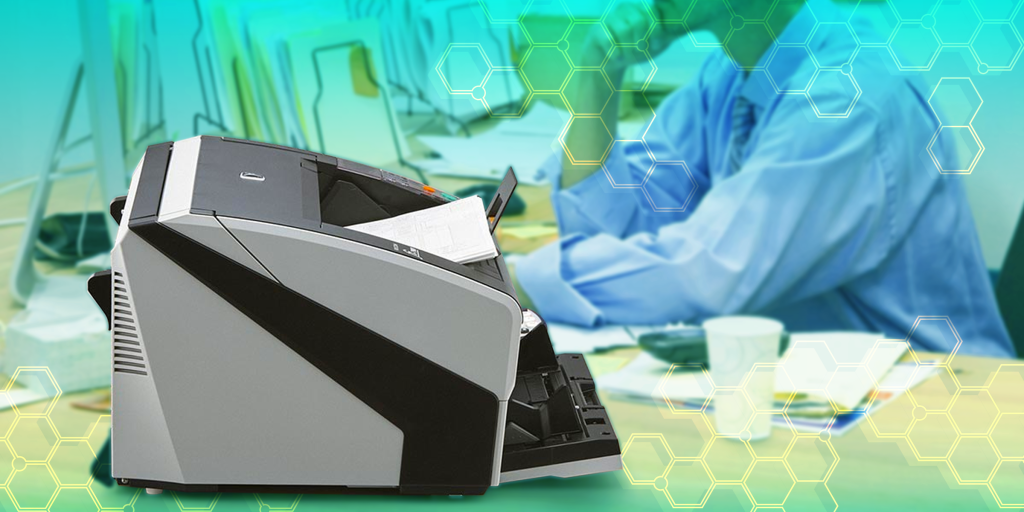
High-Resolution Scanning: Ricoh scanners capture images in high resolution, producing clear and detailed digital copies suitable for various document types.
Speed and Efficiency: These scanners offer fast scanning speeds to efficiently handle large document volumes, ultimately enhancing workplace productivity.
Optical Character Recognition (OCR): Integrated OCR technology allows for the conversion of scanned documents into editable and searchable text, simplifying document management and retrieval.
Multi-Feed Detection: Built-in sensors prevent misfeeds by detecting when multiple pages are pulled into the scanner at once, ensuring every page is accurately scanned.
Network Connectivity: Ricoh scanners offer options for network connectivity, enabling multiple users to access the scanner from different devices and facilitating convenient sharing and storage of scanned documents.
Automatic Document Feeder (ADF): The ADF feature allows for the scanning of multi-page documents without the need for manual page feeding, saving time and effort.
Double-Sided Scanning: Ricoh scanners are capable of simultaneous two-sided scanning, known as duplex scanning, essential for efficient document processing.
Image Enhancement Tools: Software features clean up and enhance the quality of scanned images, improving legibility by removing imperfections and adjusting alignment.
Security Features: Ricoh scanners are equipped with advanced security measures to protect sensitive information, including options for password protection, data encryption, and secure file transmission.
Compatibility and Integration: These scanners are compatible with various operating systems and seamlessly integrate with document management systems and cloud storage solutions.
Compact Design and Energy Efficiency: Designed to fit modern workspaces, Ricoh scanners operate with energy efficiency to reduce power consumption, supporting sustainable office environments.
Reference: Navigating the Scanning Pathway to Digital Transformation
Regional shift toward infrastructure-led digital growth
The country head noted that in Southeast Asia, this transformation is unfolding unevenly but rapidly. Markets such as Singapore, Malaysia and Indonesia are seeing substantial growth in hyperscale investments as global providers seek capacity, land and energy availability. At the same time, data sovereignty requirements are reinforcing the need for in-country infrastructure.
Echavarria revealed: “The Philippines is increasingly becoming part of this regional shift. Recent developments point to accelerating infrastructure buildout. The Department of Information and Communications Technology has outlined ambitions to scale national data center capacity and position the country as a regional convener for digital economy collaboration.”
“At the enterprise level, momentum is also building. Infrastructure investments by local players, including new data center developments supporting both private-sector workloads and government applications, reflect growing recognition that domestic capacity is becoming strategically important,” he added.
Constraints are emerging as defining bottleneck
Echavarria explained: “Despite this progress, capacity expansion alone does not address the constraints shaping the Philippine digital infrastructure landscape. Without addressing energy and system integration, adding capacity risks creating infrastructure that cannot be fully utilized.”
“Energy availability, cost efficiency and grid reliability continue to determine where and how large-scale workloads can be supported. In many cases, power has become the defining constraint, particularly as AI workloads increase density requirements within individual facilities,” he added.
The official disclosed: “This challenge extends across the region. As electricity demand rises alongside AI adoption, data center operators are exploring on-site generation, alternative energy sourcing and more advanced system designs that reduce reliance on traditional grids.”
Readiness shaping Philippines’ AI competitiveness
With optimism, Echavarria further stated: “Looking ahead, Southeast Asia remains one of the fastest-growing regions for digital infrastructure. Within this trajectory, the Philippines is increasingly being defined by how quickly it can translate demand into scalable digital capacity, shaped by energy availability, policy direction and enterprise readiness.”
“For organizations in the Philippines, the focus is no longer simply on adopting AI but on ensuring the underlying infrastructure can support scale, reliability and performance. The Vertiv Frontiers Report reinforces this systems-level imperative, highlighting the need to design power, cooling and IT architecture as a unified operational framework rather than in isolation,” he affirmed.
Vertiv Philippines is the country’s operations arm of Vertiv, a global company that provides critical digital infrastructure technologies and services for data centers, communication networks and industrial facilities.
Reference: AI growth in the Philippines is forcing a shift to integrated infrastructure planning