







Digital nomadism: A different way to work, but some are quitting
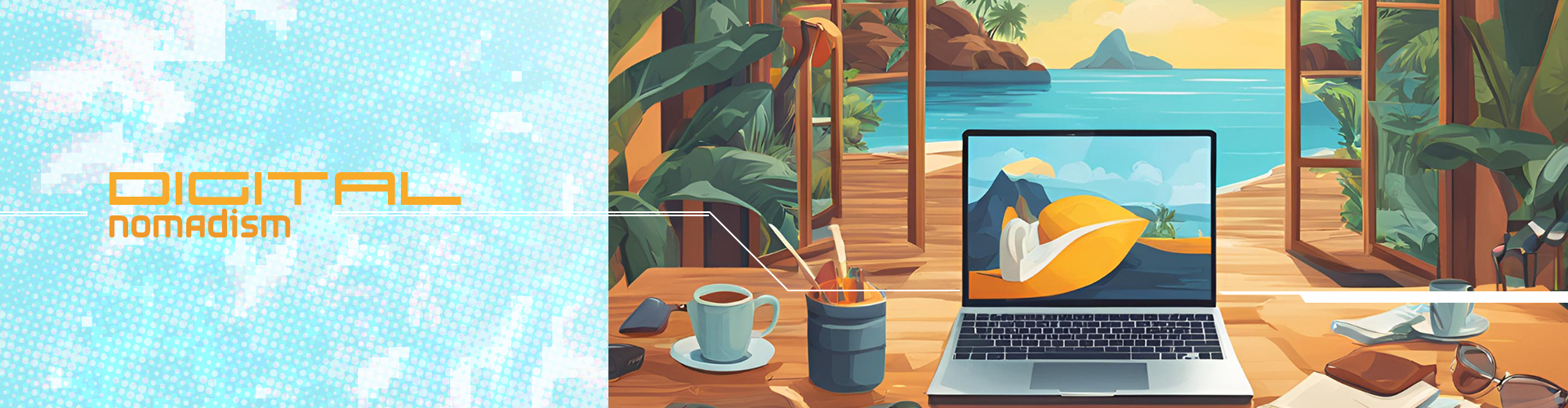
Lifestyle changes have become inevitable in the digital age and that includes the way we work. The corporate setting is no longer confined within the four corners of the office. The rapid advancement in technology has modified or further modernized the way we do things in our work spaces. In recent years, this dream became a reality for many: You are sitting on a beach in a tropical paradise while fielding calls about an upcoming project while listening to waves crash against the shoreline.
During the Covid-19 pandemic, digital nomadism became a trend. But the phenomenon had been growing in popularity long before the world was taught there was a different way to work, one that didn’t involve daily commutes. Digital nomads are defined as people who have chosen to adopt location-independent work that enables them to use technology to travel anywhere and work remotely on their chosen career via the internet from anywhere in the world according to MBO Partners.
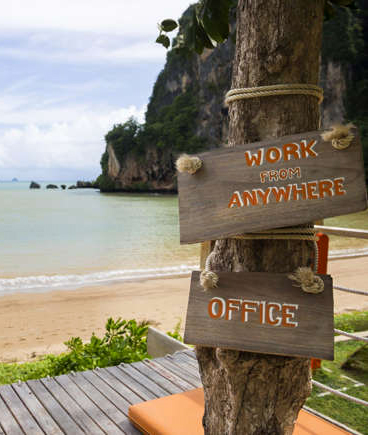
MBO Partners wrote: “Unlike regular remote workers, who tend to stay in one geographic area.” Further, “digital nomads travel and explore while working,” meaning there is some aspect of play and exploration oriented around the locations digital nomads choose. The lifestyle is more about finding a way to travel and explore the world, the nooks and crannies of the world while also making sure you have the cash in your pocket to live while also not forgetting your career, essentially it’s the best of both work and travel.
Most digital nomads are remote workers, self-employed, or freelancers according to the U.S. Chamber of Commerce, which noted that millions of Americans have chosen the life of digital nomadism. But just how many digital nomads are roaming the earth now? Think Remote estimated that there are roughly 35 million digital nomads in the world, 23.2 million of which are American, and that number is up significantly from figures in 2022 that showed the numbers worldwide only sat at 16.9 million workers.
In the Philippines, the rise of the Filipino digital nomad is a testament to the adaptability, resilience, and creativity of the Filipino workforce. Embracing a borderless career offers numerous advantages, from personal growth and cultural exploration to professional development and economic contributions. The digital era has opened up numerous remote work opportunities for Filipinos. In the years to come, the Filipino digital nomad community will continue to thrive. Filipino digital nomads can create a fulfilling and successful lifestyle that transcends traditional boundaries.
However, while a life of mixing work and travel might seem idyllic, digital nomads face a unique set of problems that might not make the lifestyle attractive to some people. One of the biggest issues facing the digital nomad community is their lack of connection. “An increasing number of workers who’ve tried the nomadic lifestyle report that behind the wanderlust-fueled Instagram posts and rosy travel blogs, the reality of this set-up is not always so glamorous,” wrote Ellen Nguyen of BBC News.
The biggest problem for some according to Nguyen’s reporting is the lack of a stable community and long-lasting friendships, which led to feelings of isolation as well as depression. Another big issue while living abroad was food poisoning and infections. Every problem was its own unique challenge, but piled on top of one another they became too much for Lauren Juliff, a five-year veteran of digital nomadism who eventually quit the lifestyle. Lauren Juliff is not alone. Popular online digital nomad personas like Oz Chen, 2foodtrippers, and The Ordinary Adventurer have quit the lifestyle for very similar reasons—each was tired and needed a change of pace.
Reference: What is digital nomadism and why are some people quitting the lifestyle? (msn.com)