








Filipino artists are convinced AI won't replace human connection in art
AI images or illustrations have flooded social media platforms. Those seemingly perfect portraits of humans or other creatures are thinly bordering the bizarre in the way they are drawn or created. Looking at them, they can inhabit the subconscious in a rather creepy manner.
Canadian novelist Stephen Marche said that AI applications such as DALL-E 2 from OpenAI, Midjourney, and Stable Diffusion create astonishingly realistic street scenes and abstract concepts, but he also observed that these images are fascinating but oddly unsatisfying. Marche declared these art forms are “inhuman” and, yes, perhaps being an “art” created by AI, they lack the sensitivity that only humans can express and translate into their artworks.
Filipino artists share the same sentiments and believe it still cannot replicate the unique experiences, emotions, and human connections that bind artists, audiences and the art they create. In the “Artificial Obra” special report on “State of the Nation” on June 15, a visual artist said AI can generate art quickly and efficiently because it is designed to produce results.
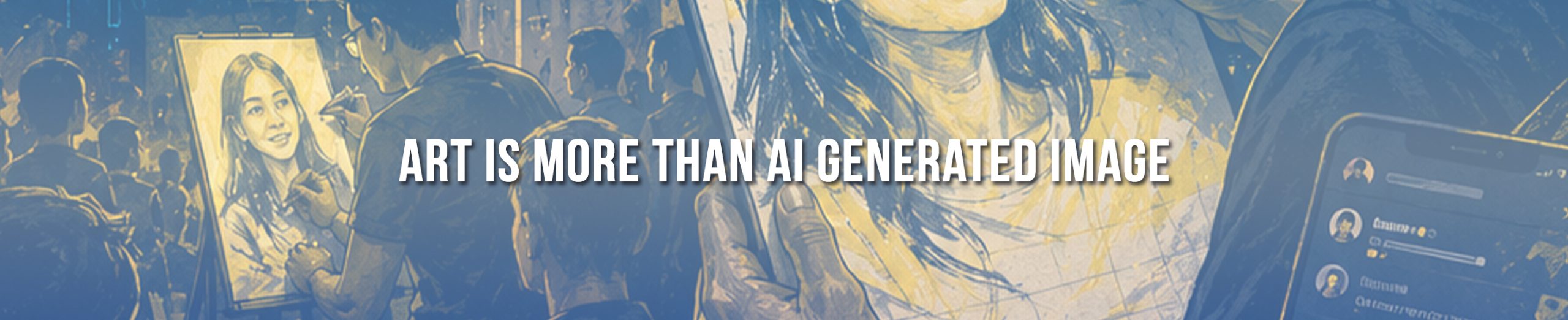
“Pero dito sa live portrait, dito sa ginagawa ko, gusto kong mapahalagahan natin yung proseso, yung interaction, yung human connection para mas madagdagan ng value yung output natin,” visual portrait artist Albert Raqueño said.
(But with live portrait, with what I do, I want people to appreciate the process, the interaction, and the human connection because these add more value to the final output.)
Using only a highlighter and a paintbrush, Raqueño creates live portraits in just a few minutes. Content creator Yani Villarosa was among the subjects Raqueño drew.
“Yung dino-drawing ka ni Albert sa kung paano ka niya nakikita, even yung conversation na shine-share ninyo habang ongoing yung process, hindi mo ‘yon makukuha sa AI. Yung sining, nararamdaman siya, na-e-experience siya,” Villarosa said.
(When Albert draws you based on how he sees you, and with the conversations you share while the work is in progress, that’s something you can’t get from AI. Art is something you feel and experience.)
For comic artist AJ Bacar, there are still aspects of art that AI cannot replicate, such as capturing the nuances of Filipino humor. “‘Yung humor ng Pinoy kasi hindi siya kaya ng AI… Magbibigay ‘yan pero it’s not as funny kapag tao talaga ‘yung nag-isip,” Bacar said.
(AI can’t replicate Filipino humor. It may generate something, but it’s not as funny as when a real person comes up with it.)
Bacar added: “After mo i-pencil, papabasa mo muna sa peers, ‘funny ba?’” He spends four to eight hours creating a comic page. He begins by conceptualizing the content before translating it into a storyboard, where he sketches the initial drawings.
Once the content passes scrutiny, it moves to line art, coloring, and final detailing, followed by another round of peer feedback. It is then uploaded online, after which Bacar monitors and engages with readers in the comments section.
Reference: AI won’t replace human connection and experience in art, Filipino artists say
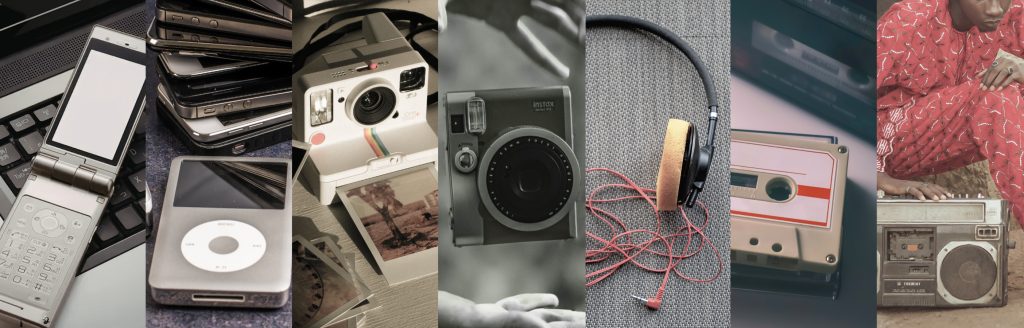
Flip Phones. Flip phones have become a small escape hatch for people who want calls and texts without carrying every app they’ve ever regretted downloading. The Motorola Razr still has that snap-shut satisfaction, and newer basic phones give people a way to be reachable without being fully swallowed by a screen.
iPods. Used iPods are getting attention again because they do one job and one job only. Loading a Nano, Classic, or Touch with your own music library feels more personal than letting an app decide what you should listen to.
Instant Cameras. Polaroid and Fujifilm Instax cameras keep showing up at parties, weddings, dorm rooms, and weekend trips because the photo provides a tangible memory. The colors can be strange, the flash can be harsh, and someone will probably blink, but it’s still more fun than uploading memories to Google Photos.
Point-and-Shoots. Canon PowerShots, Sony Cyber-shots, Nikon Coolpix cameras, and other small digital cameras from the 2000s are back in purses and jacket pockets. They make photos look less polished than iPhone shots, with red-eye, blur, and flash glare that somehow feel closer to how the night actually felt.
Wired Headphones. Apple EarPods and other wired headphones have gone from boring backup gear to an actual style choice. They don’t need charging, they don’t vanish into couch cushions as easily, and they’re much more budget-friendly.
Cassette Players. Cassette players and tape decks are getting attention from people who like music that takes a little effort. Rewinding, flipping sides, and dealing with a worn-out case can be annoying, sure, but the whole process feels more involved than tapping shuffle for the 400th time.
Boomboxes. The modern boombox comeback is more of a compromise than anything else, since plenty of new models look old while offering Bluetooth connection. That mix gives people the chunky 1980s and 1990s look without asking them to fully return to D batteries, warped tapes, and radio static.
Reference: 20 signs the internet is falling back in love with old tech
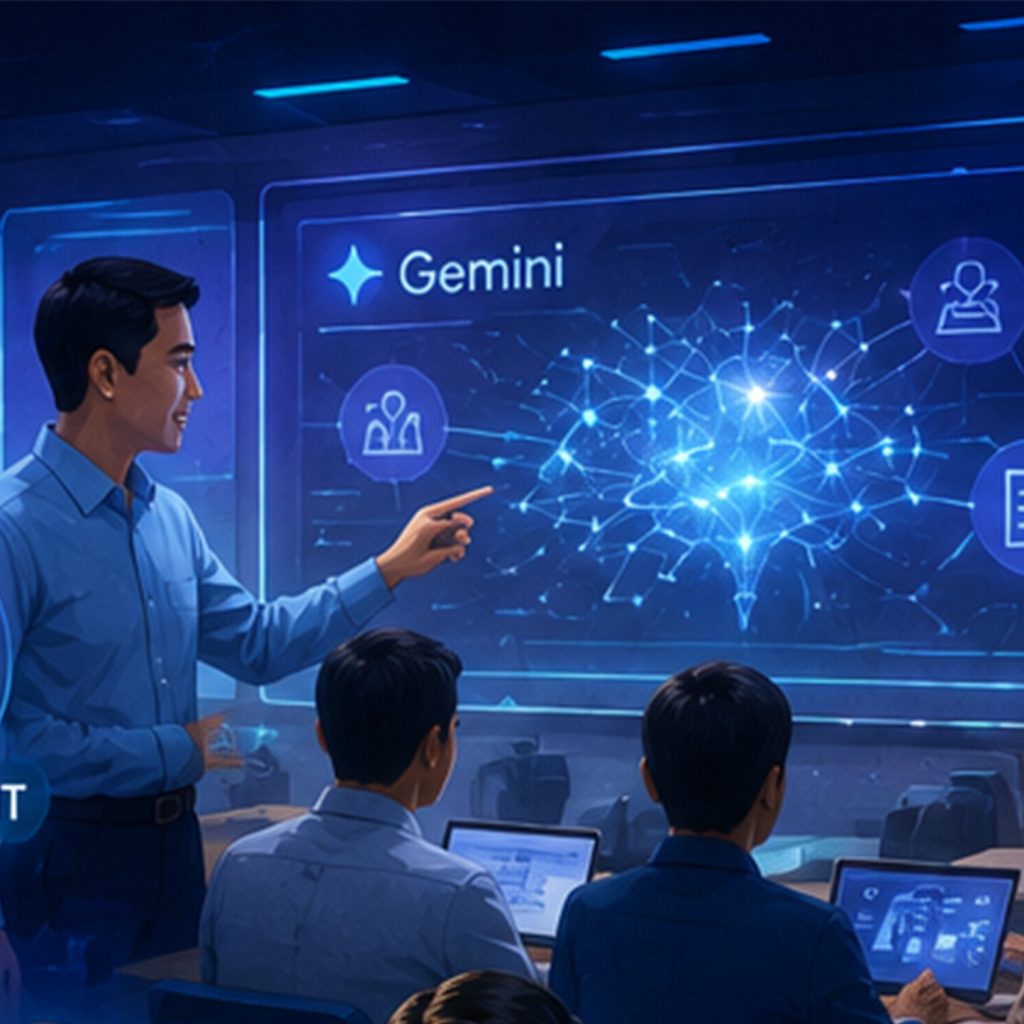
The program includes a series of no-cost Google and Gemini AI certifications that teachers are encouraged to complete before the start of the school year. The certifications aim to help educators build AI-related skills while earning credentials that may contribute to their professional development.
Prep Palacios, country manager of Google Philippines, said the initiative seeks to empower educators as technology becomes more integrated into classrooms. She added: “We believe that technology’s greatest potential in education lies in empowering the people who make learning happen every day.”
Palacios further said: “By bringing Gemini and specialized AI training to the hands of over one million Filipino teachers and Department of Education staff, we are not just modernizing tools. We are investing in the mentors who will shape the next generation of the country.”
Education Secretary Sonny Angara said the program aims to help educators become more proficient in using technology while supporting their career development. He added: “Our goal is to ensure Filipino teachers don’t just keep up with technology, but actually lead the way in using it.”
The certification program will be offered in three levels: Fundamental, which focuses on core Google tools; Advanced, which covers more complex educational workflows; and AI Mastery, which centers on the use of Gemini AI and prompt engineering in classroom settings.
DepEd said more than one million teachers and staff now have access to Gemini through their official education accounts. The department added that AI-powered tools such as NotebookLM are already being used to summarize curriculum materials and assist in developing lesson plans. NotebookLM can also generate audio and video overviews in Filipino and Cebuano.
As government agency, DepEd formulates, implements, and coordinates policies, plans, programs and projects in the areas of formal and non-formal basic education. It supervises all elementary and secondary education institutions, including alternative learning systems, both public and private; and provides for the establishment and maintenance of a complete, adequate, and integrated system of basic education relevant to the goals of national development.