


March 12, 2025 Pinoy professionals develop VR games for people with dementia Breakthroughs in the world of technology are constantly cropping up. Nowadays, one can’t help but get caught unaware of things to come because they turn up fast. Therefore, the best thing to do is to be in constant watch for what is new because just when you thought that technology is at its peak, more is likely to come. Take for instance the innovations in the field of healthcare. Dementia and cerebral palsy are two of the major health concerns affecting adults and children respectively. Finding a cure is a perennial challenge for medical researchers and health experts. People with dementia suffer from cognitive and psychological changes, which, according to the Mayo Clinic, include memory loss, problems communicating or finding words, trouble with visual and spatial abilities, poor coordination and control of movements, confusion and disorientation, depression, anxiety, and agitation. According to the Mayo Clinic, cerebral palsy is ”a group of conditions that affect movement and posture,” which is ”caused by damage that occurs to the developing brain, most often before birth.” It further said: ”Some people with cerebral palsy can walk while others need assistance. Some people have intellectual disabilities, but others do not. Epilepsy, blindness, or deafness also might affect some people with cerebral palsy. There is no cure, but treatments can help improve function.” The research group called “AXEL Virtual Care: Alagang Pinoy sa Makabagong Panahon,” is a group of Filipino professionals who have developed virtual reality games aimed at supporting the rehabilitation of adults with dementia and children with cerebral palsy. The group which include computer scientists, and game designers involving faculty members from UP Manila College of Allied Medical Professions, College of Medicine, and UP Diliman College of Engineering, features games: “Mission to Planet Axel” (for cerebral palsy) and “Suroy-suroy” (for dementia). Mission to Planet Axel aims to help improve the balance, strength, and walkability of children with cerebral palsy, while Suroy-suroy seeks to help manage behavioral and psychological symptoms affecting elderly patients with dementia. ”Aside from its user-friendly interface, both sets of virtual reality games bear themes with cultural relevance for Filipinos. The games were described as ‘fun and exciting, memorable, meaningful, and relaxing’ by volunteers who participated in the early testing phases of the technology,” the UP Manila Information, Publication, and Public Affairs Office said in a press release on Feb 18, 2025. Reference: VR games developed to support people with dementia, cerebral palsy
Generation Z shaping the travel landscape through social media
March 10, 2025 Generation Z shaping the travel landscape through social media Today, with the availability of smartphones and social media platforms, Pinoys can do so much more with their fancy gadgets and engage more often in various online platforms. In a January 2025 research conducted by digital travel platform Agoda, the study showed that today’s youth find travel inspiration in the digital realm, embrace spontaneity, and value shared experiences. A huge chunk of Gen Z prefers to get their inspiration from digital platforms. In fact, Gen Z travelers look to TikTok for ideas, and some of them also rely on travel blogs and vlogs. Generation Z, or those born between 1997 and 2012, are shaping the travel landscape with their unique and fresh take on what fuels them to explore the world, one country at a time. Here are five travel trends according to 15,000 Gen Z from the Philippines, Hong Kong, Indonesia, Japan and other popular Asian destinations: Social media as a travel guideWhile Millennials, those born between 1981 and 1996, lean on their friends and family’s travel recommendations, Gen Z is scrolling through TikTok (22%), travel blogs, and vlogs (17%) to discover their next travel adventure. Spontaneity is on the riseGen Z embraces the thrill of last-minute travel bookings more than any other generation. The study showed that one in eight Gen Z make their flight bookings at the latest possible moment, showcasing their spontaneous spirit. Looking for travel buddiesFor Gen Z, traveling is not just about the destination, but also about the shared experiences. Forty percent of them prefer to explore new places with a partner or in a group, highlighting the importance of bonding and companionship in their travel journeys. Cost-consciousBudget-friendly trips remain a top trend for Gen Z travelers (57%), making them on the same page as Millennials (47%). Both generations prefer keeping accommodation costs under P3,000 or $50 per night. WanderlustDespite finding travel inspirations in different platforms, the desire to travel is a common thread that transcends generations. More than half of Gen Z participants in the study plan to embark on one to three trips in 2025 and about a third of them aim to go on four to six adventures. Agoda.com is an online travel agency catering to customers around the world, registered and headquartered in Singapore with operations in Bangkok, Thailand. Reference: Social media is the new travel guide, according to Gen Z – study | GMA News Online

Filipinos still among top internet users in the world – 2025 report
March 07, 2025 Filipinos still among top internet users in the world – 2025 report In 1998, before the arrival of smartphones and social media platforms, Filipinos have developed a love for texting which used to be the only other “high-tech” feature in their mobile phones back then. In fact, the Philippines was considered to be the text messaging capital of the world, with an average of over 400 million text messages sent per day. One factor that contributes to this phenomenon is the affordability of text messaging in the Philippines. Compared to making a call, sending a text message is much cheaper and accessible to a wider population. Today, with the availability of smartphones and social media platforms, Pinoys can do so much more with their fancy gadgets and engage more often in various online platforms. In fact, Meltwater and We Are Social released its “Digital 2025” report showing that Filipinos continue to dominate the internet, maintaining their rank among the world’s top users. The report focusing on social media and digital trends worldwide is released annually. Filipinos, on average, spend eight hours and 52 minutes daily on the internet, latest insights showed. The figure is significantly higher than the global average of six hours and 38 minutes. The report said that most of this time on the internet is spent on mobile phones at five hours and 21 minutes. This figure is also ahead of the global average of three hours and 46 minutes. At the time of the report production, data indicated that there were 97.5 million internet users in the Philippines in January 2025. Advisory firm Kepios also revealed that the number of internet users in the Philippines increased by 792,000 or 0.8% between January 2024 and January 2025. Filipinos were also among the top social media users worldwide, with Pinoys aged 16 and up spending three hours and 22 minutes on social media daily, placing fourth worldwide. Pinoy internet users also actively engage with an average of 8.36 platforms each month, making them second in the world for the highest number of social media platforms used. Online reference library DataReportal said that there were 90.8 million active social media user identities in the Philippines in January 2025. The figure is equivalent to 78% of the country’s total population at the start of 2025. The country’s total population stood at 116 million in January 2025. Filipinos are also big on following influencers apart from being active social media users. At least 44.9% of Filipinos aged 16 and up follow influencers or other experts on social media, making the Philippines number one globally in this category. According to the report, the following video-related figures exceed their global peers: Filipinos also ranked first in terms of watching online video content each week, with 97.6% of them engaging in this activity, significantly higher than the global average of 92%. Pinoys are ranked number one in watching vlogs (48.3%) and online music videos (72.3%), while they are number two in watching online videos as a source of learning (58.1%). Reference: Pinoys remain among world’s most internet-savvy users — 2025 report
YouTube brings more cool content than you can ever imagine
March 05, 2025 YouTube brings more cool content than you can ever imagine In this article, we’ll probe statistics and facts about YouTube that might astound you. However, some cool content also leave “lasting” impression or otherwise. So, whether you’re a YouTube user or not, this impressive business is worth paying attention to. YouTube is known globally for its video-form content. Creators will upload their videos and users can consume and engage with them in numerous ways. From beauty product tutorials to comedy shows and even to music and beyond, there’s more! Product reviewsWhen consumers want to buy something, YouTube can help sway their decisions. Over 50,000 product review videos on YouTube were watched on mobile within the last two years. Most common age groupUsers on YouTube span across a wide range of age groups. However, the most common group is made up of 25 to 34-year-olds. RecommendationsA whopping 70% of the watch time on YouTube is due to the advanced recommendation algorithm. This algorithm learns what someone likes or prefers and then suggests similar content. BrandsMore than 90% of people have said that they discovered new brands or products on YouTube. Given the reach YouTube has, this can be a great place for brands to advertise. Hours uploadedWould you believe that 12,000 hours of video content is uploaded to YouTube each day? Well, it’s true! Creators are continually developing engaging content. Internet trafficYouTube accounts for 37% of the world’s mobile internet traffic. People use YouTube for many reasons and often rely on it as a trusted source. Mobile devicesMobile devices account for 63% of views on YouTube videos. It can be so easy to pull out your phone while commuting or while relaxing in the evening and watch YouTube videos. American creatorsThe creators who earn the most revenue from YouTube are those found in America. Revenue on YouTube is measured by the amount earned per 1,000 views, a figure known as Revenue per mile (RPM). Reference: Impressive statistics and facts about YouTube

Technology is charting the future of human augmentation
March 03, 2025 Technology is charting the future of human augmentation Human augmentation is opening doors to a future where becoming superhuman is within reach. Since ancient times, people have strived to replicate lost human abilities. Common examples include glasses to restore vision, prostheses to enable walking or using arms, and hearing aids to enhance hearing. These early forms of human augmentation laid the groundwork for the advanced technologies we use today A groundbreaking paper written by American engineer Douglas Engelbart laid the foundations for the concept of augmenting human intellect, exploring how technology can enhance our cognitive capabilities. The article is one of the seminal studies on human augmentation and published by the Stanford Research Institute in 1962. Engelbart’s work goes deeper, highlighting that the concept of augmenting human intellect has existed for centuries and is a logical course of development. Engelbart demonstrates that initiatives to expand human abilities have deep historical roots, making them essential to our lives. Human beings inherently strive to push their limits and evolve, enhancing both intellect and physical capabilities to ensure a better quality of life. Our fascination with boosting our abilities is made possible as technology takes giant leaps. The rapidly emerging field of “human augmentation” guides us towards a futuristic vision, promising a fusion of human and computer tech designed to enhance our natural potential. The excitement surrounding the first computer terminals naturally sparked discussions and led to the emergence of the term “human augmentation.” Human augmentation allows us to perform actions, physical or mental, with the aid of tools that seamlessly integrate into our bodies, pushing the limits of our natural capabilities. It’s important to note that these enhancements aren’t always grafted directly onto the body, as many augmentations, like wearable devices, enhance our abilities without being physically implanted. In fact, we are already witnessing an enhancement in our natural abilities through wearable devices like smartwatches and smartphones; these gadgets enable us to communicate in ways that were once unimaginable, pushing the boundaries of connectivity and taking us “where no man has gone before.” Furthermore, human augmentation is demonstrated through helping those with impairments, or allowing everyday individuals to surpass their normal capabilities. Nowadays, the human augmentation market is catching media attention for its potential to transform us into “superhumans” or Human 2.0. Advances in brain-computer interfaces are driving us closer to augmented human intelligence, promising enhancements that were once the stuff of science fiction. Reference: The future of human augmentation

Bill Gates airs concerns of AI dominance over humans in the future
February 28, 2025 Bill Gates airs concerns of AI dominance over humans in the future In a Jan. 2024 article of ASI, Microsoft cofounder Bill Gates declared his predictions on the future impact of AI on healthcare, education, and the workforce. He considered the new technology as “revolutionary.” He would even find the Microsoft Copilot most useful when he would spend a lot of time in meetings as part of his ongoing work in public health and artificial intelligence. “I’d say the feature I use the most is the meeting summary, which is integrated into [Microsoft] Teams, which I use a lot,” Gates said in an interview with The Verge. “The ability to interact and not just get the summary, but ask questions about the meeting, is pretty fantastic.” For him, each meeting contains a lot of material to digest after the fact — a task he says AI is well suited to assist with. Today and a year later, the recent advances in AI development, have him pondering what humans’ lives might be like in a not-so-distant future dominated by machines. Gates made his frightening predictions about an AI-led world during an appearance on the Jimmy Fallon’s late night talk show in early February 2025. “The era that we’re just starting is that intelligence is rare, you know, a great doctor, a great teacher,” Gates said. “And with AI, over the next decade, that will become free and commonplace. Great medical advice, great tutoring.” “And it’s profound because it solves all these specific problems, like we don’t have enough doctors or mental health professionals, but it brings with it so much change.” Gates questioned whether people will even have to work the traditional five-day, 40-hour work week that’s been the norm in America since the late 1930s. “Should we just work two or three days a week?” he asked. “So, I love the way it’ll drive innovation forward, but I think it’s a little bit unknown if we’ll be able to shape it. And so, legitimately, people are like “wow, this is a bit scary.” It’s completely new territory.” Gates is aware of AI’s potential to usurp the human race more than most, as he signed an open letter in 2023 that claimed AI is a societal-scale risk on the level of pandemics and nuclear war. Other prominent signatories from the AI industry included OpenAI CEO Sam Altman, Anthropic CEO Dario Amodei and Google DeepMind CEO Demis Hassabis. Fallon then asked the question that was likely on everyone’s mind: “I mean, will we still need humans?” “Uh, not for most things,” Gates said, prompting Fallon to put his hands up to his mouth in shock. “Really?!” Fallon said. “Well, we’ll decide. You know, baseball. We won’t want to watch computers play baseball,” Gates said. “There will be some things we’ll reserve for ourselves.” Miquel Noguer Alonso, the founder of the Artificial Intelligence Finance Institute, shared a very similar sentiment to Gates in an interview with DailyMail.com. “What is fun is to have two humans playing chess, or two humans playing football or baseball,” said Alonso, a professor at Columbia University’s engineering department. But in Gates’ estimation, AI will increasingly be used to increase productivity to heights that were once thought to be impossible. Reference: Bill Gates issues chilling warning about the future of AI

Microsoft 365 Education delivers student-centered solutions
February 26, 2025 Microsoft 365 Education delivers student-centered solutions Microsoft is personalizing the learning process by reimagining the future of education with AI. With tools like Copilot, educators can save time, amplify creativity and support students in the ways that work best for them. Students can easily catch up, keep up, and get ahead while staying motivated and prepared with the skills they need in a changing world. Under the program Microsoft Education, Microsoft 365 Education is empowering learners by offering a suite of student-centered solutions that help create an equitable learning environment for all and help students succeed in the classroom and beyond. These tools create more opportunities for students to practice through immediate feedback in core subjects like reading, writing, and math. Get students familiar with Office 365 tools they’ll likely use for years to come, like Microsoft Word, PowerPoint, Excel, and Teams, while building future-ready skills, like problem solving and collaboration. Explore these powerful tools: CopilotReduce time-consuming administrative tasks, summarize complicated topics, create content, and analyze data using Copilot, a free AI-powered Microsoft tool. TeamsEnhance collaboration and communication through video conferencing, file sharing, notes, and assignments all integrated into Microsoft Teams for Education. WordStreamline your document creation and editing with smart writing assistance, spelling and grammar checking, and visual tool creation such as charts with Microsoft Word, included in Office 365. ExcelAnalyze, comprehend, and display your data with ease using Excel, included in the Office 365 and Microsoft 365 subscriptions. PowerPointCreate powerful and inclusive lessons and presentations with media, charts, and design assistance with Microsoft PowerPoint. ReflectDevelop your students’ self-expression by encouraging them to name their feelings using illustrated and emoji-like representations of emotion words in Reflect. OutlookManage your email, calendaring, tasks, contacts, and note-taking with Microsoft Outlook, included in Microsoft Office 365 Reference: Microsoft 365 for Education | Microsoft 365

Cyber Security 3.0: ASI mounts 3rd round of tech update series
April 5, 2024 Cyber Security 3.0: ASI mounts 3rd round of tech update series Advance Solutions Inc (ASI) presented the 3rd round of its seminar series on Cyber Resiliency and Security on November 20, 2024 at Seda Vertis North in Quezon City. The “Innovations in Cyber Security 2024” was held in cooperation with HP Philippines, Microsoft, AMD. For the 3rd leg of the event, ASI’s stakeholders came both from the government and the private sector. The world of digital technology is constantly evolving and today’s business enterprises need technology solutions to keep pace and get ahead of the game. But even the most sophisticated technology tools can be vulnerable to cyber disasters. And as developments in information technology continue to move forward, cyber security is a growing concern that every company/organization needs to address. For the morning program, Mr Paul Skaria from AMD kicked off with the presentations on the subject matter of cyber security. Paul is a Solutions Architect Leader at AMD with over 20 years of experience in IT. He tackled the AMD Ryzen™ PRO processors which include the following security features: AMD Secure Processor — This dedicated security processor validates code before it is executed to improve data and application integrity helping protect your system from unauthorized software. AMD Memory Guard — The world’s first processor family with real time, full system memory encryption. This is enabled by default for Windows Secured-Core PCs on all AMD PRO processor platforms. AMD Shadow Stack — helps protect against control-flow attacks by checking the normal program stack against a hardware-stored copy. Microsoft Hardware Enforced Stack Protection in Windows 11® is enabled as one component of a comprehensive set of AMD security features. AMD Platform Secure Boot — is designed to provide protection in response to growing firmware-level remote attacks being seen across the industry. AMD Secure Boot helps continue the chain of trust from the system BIOS to the OS Bootloader. Microsoft Pluton Security Processor — is integrated into the latest AMD CPUs to deliver built-in, next-generation security including Trusted Platform Module 2.0 for scenarios like Windows Hello and BitLocker. Next in line was the Microsoft presentation from Mr Joshua Ruinata who is a Product Solutions Engineer at VST-ECS. He said that with the coming of Windows 11 Pro, end-users will be entering a new era of security protection. Windows 11 Pro delivers security for business anywhere by protecting your valuable business information anywhere with layers of protection enabled out-of-the-box for a reported 3.1x reduction in firmware attacks, and 2.8x fewer instances of identity theft. Joshua made an important announcement: Support ends for Windows 10 on October 14, 2025 hence it’s time for an upgrade to get ahead of the competition and respond faster to business demands by empowering employees with AI-powered multitasking and videoconferencing plus the performance to speed demanding workloads to completion 42% faster on average. Windows 11 Pro has Smart search across web, apps, and files from the taskbar delivers fast, relevant results and dynamically updated search highlights. You can achieve more with less effort using Copilot in Windows with Bing Chat Enterprise. Your AI assistant at work does the heavy-lifting so you can do the extraordinary. Smarter videoconferencing including intelligent noise canceling, and background blur, with optional AI enhancements including natural eye contact with Windows Studio Effects. The HP discussion came next with Mr Niel Oliveros who talked about the HP Printer and PC solutions. Niel who is Pre-sales Technical Consultant for PC and Print solutions for HP has been with the company for 18 years. His presentation centered on securing printers against cyber attacks which are becoming more frequent, sophisticated, and diverse. He said that HP’s role is to protect, detect, and recover your devices from damages in the event of cyber attacks. He underscored the importance of protecting printers for the following reasons: Peace of mind; risk management; for compliance or internal audit. He explained that HP security is built on 20 plus years of endpoint security innovation hence the guarantee in providing protection. Since printers are also considered endpoints, keeping them secure is necessary –from hardware, printing supplies to network access. The HP defense mechanism called BIOS Defense provides unique protection and active system monitoring. Another HP speaker Mr Gary Lim of HP (Active Care) shed light on the topic “Endpoint Security Landscape.” Gary Lim is Senior Salesperson at HP with 15 years of sales experience in Enterprise Defence and Homeland Security Sector. He revealed that cyber attackers are employing the so-called “social engineering” to carry out their activities. [Social engineering is a manipulation technique that exploits human error to gain private information, access, or valuables.] If AI is the new approach to fight attacks, hackers are also using AI to assist in developing malware and that hybrid work has put social engineering on the front of the attack model. Gary further explained how endpoint devices can be protected from social engineering attacks: There should be enterprise endpoint security controls; use of next-gen anti-virus protection; endpoint threat isolation which is a new approach against social engineering attacks. He even cited the benefits of endpoint isolation as follows: inherent protection; visibility; security efficiency; user experience; compliance and audit. During the afternoon program, Mr. Kristoffe Abellera, Collaboration Specialist – HP-Poly started off the presentations. Poly outfits office and personal spaces so everyone can look and sound their best. Kristoffe presented Poly’s hybrid work solutions portfolio under the following categories: Group video; personal video; voice; headsets and speakers. Poly’s strategy is to create the experience of thoughtful design that delivers simple and powerful collaboration solutions to effortlessly create connection and move work forward. Product samples include the following: Voyager wireless bluetooth® headsets: Crystal clear sound in any environment; Wearing style options; Perfect for hybrid work; Mobile-first with office options. Blackwire wired USB headsets: Ease of use: simple plug and play; Never worry about battery life; Reliable, clear calls – always. Poly Sync USB and Bluetooth® smart speakerphones: Turn any call into a conference call instantly;

Social media trends making waves in 2025 Part 2
February 24, 2025 Social media trends making waves in 2025 Part 2 As the year 2025 rolls into days and days into weeks, developments in the world of technology continue to take place. AI was all the buzz now and it’s been revolutionizing the digital landscape. From personalization of content to new mediums and old throwbacks, here is the second part of the article which presents more of the savvy trends sweeping over the world of social media in 2025. Integrations for engagement In 2025 and beyond, platforms will invest in features such as avatars and metaverse tools to help people feel immersed and engaged in content in new and amazing ways. Gaming meets social media Social media will integrate into gaming and gaming events. This merging will create new opportunities for brands to connect with gamers and different audiences thereby expanding brand visibility. Brand authenticity matters most Customers in 2025 will prioritize transparency and genuine communications. Authenticity is the name of the game as it builds trust between brands and the people who love them. Gated content rises Marketing strategies in 2025 will likely continue to offer premium, gated content to those who pay. Free content often draws audiences in and gains their loyalty, while further engagement is built as customers pay for access to more. Midway storytelling captures attention When influencers start their stories mid-narrative it hooks audiences and builds curiosity. This can lead to stronger brand engagement as it encourages viewers to stay longer and explore further. User-generated content (UGC) shines When brands feature customer-created content it helps strengthen community ties and customer satisfaction. Social commerce expands Platforms, namely Instagram Shops and Facebook Marketplace, help brands drive sales directly from social media. People may see something they like online and they can purchase it all in the same breath. Privacy over third-party cookies It will be even more important for brands to be privacy-focused and transparent in their practices. Influencer marketing evolves Keeping long-term collaborations with niche influencers is important. It can help create authentic connections and better ROI for the brands. It’s better for audiences to feel like they know the influencer. Reference: Social media trends shaping online engagement in 2025

World Economic Forum 2025: AI technology can drive business growth
February 19, 2025 World Economic Forum 2025: AI technology can drive business growth On January 20-24, 2025, leaders from around the world gathered at the 55th Annual World Economic Forum (WEF) Meeting in Davos-Klosters, Switzerland. This annual event brought together influential voices from governments, international organizations, civil society, and the private sector. This year’s theme, “Collaboration for the Intelligent Age,” addressed the significant geo-economic shifts and the rapid pace of technological evolution that we are all navigating. Cybersecurity and the imperative to secure our digital world were key topics throughout the event, emphasizing the critical role of strategic collaboration in tackling these challenges. Recent years have been marked by relentless transformation, spurred by emerging technologies like artificial intelligence. The WEF said: Businesses need to swiftly adapt, anticipate changes, and turn potential disruptions into strategic advantages. This transformation is not a singular event but an ongoing evolution necessitating perpetual adaptation across all business aspects. In essence, perpetual change demands perpetual adaptability. WEF, based on Tata Consultancy Service’s (TCS’) real-world expertise, documented by CEO and MD K Krithivasan, sheds light on how to navigate the ‘Intelligent Age’: 1. Move toward human-centered AI strategies: TCS’ recent study titled ‘AI for Business’ reveals that 94% of businesses worldwide have adopted Generative AI or other AI solutions. However, only 12% of these use cases have achieved tangible business outcomes, with a primary focus on enhancing productivity. The study suggests that to maximize benefits from AI, adaptive enterprises should employ a multilayered approach that prioritizes human involvement. 2. Use digital tools to accelerate the path to net zero: Adaptive enterprises are increasingly turning to digital sustainability tools to mitigate their carbon footprints and align with international sustainability objectives. These tools may include Internet of Things (IoT) devices for optimizing energy use, AI-driven supply chain transparency, emissions monitoring, and even blockchain technology for tracking carbon credits. 3. Embed advanced technologies for real-time responsiveness in supply chains: Big data analytics, which combine both structured and unstructured data from within and outside companies, can offer real-time insights into supply chain dynamics. This allows enterprises to anticipate disruptions and respond swiftly. 4. Deploy AI-powered automation for intelligent operations: Businesses integrating AI, machine learning, and robotic process automation can streamline repetitive tasks, optimize processes, and limit the need for human intervention. This technological advancement is set to transform operational efficiencies across industries. Furthermore, the use of IoT sensors and real-time data analytics facilitates predictive maintenance. 5. Prepare a future-ready workforce with new digital skills: Recent research indicates that nearly half of business leaders believe artificial intelligence (AI) will have an impact as significant as the internet. Many anticipate that most of their employees will be using generative AI daily within the next three years. To facilitate this transformation, it is essential for business leaders to have a comprehensive strategy for upskilling and reskilling their workforce. 6. Catalyze rapid product development: The advent of digital technologies in the Intelligent Age presents a significant opportunity for businesses to transform their operational methods. By moving away from outdated concepts, companies can leverage the strengths of their ecosystem. These technologies enable businesses to innovate, iterate, and enhance their operations at an unprecedented pace. Research consistently indicates that organizations adopting technology to support innovation and differentiation outperform their competitors, growing 2.8 times faster than their peers. Reference: World Economic Forum 2025: Businesses can thrive in the age of AI, expectations
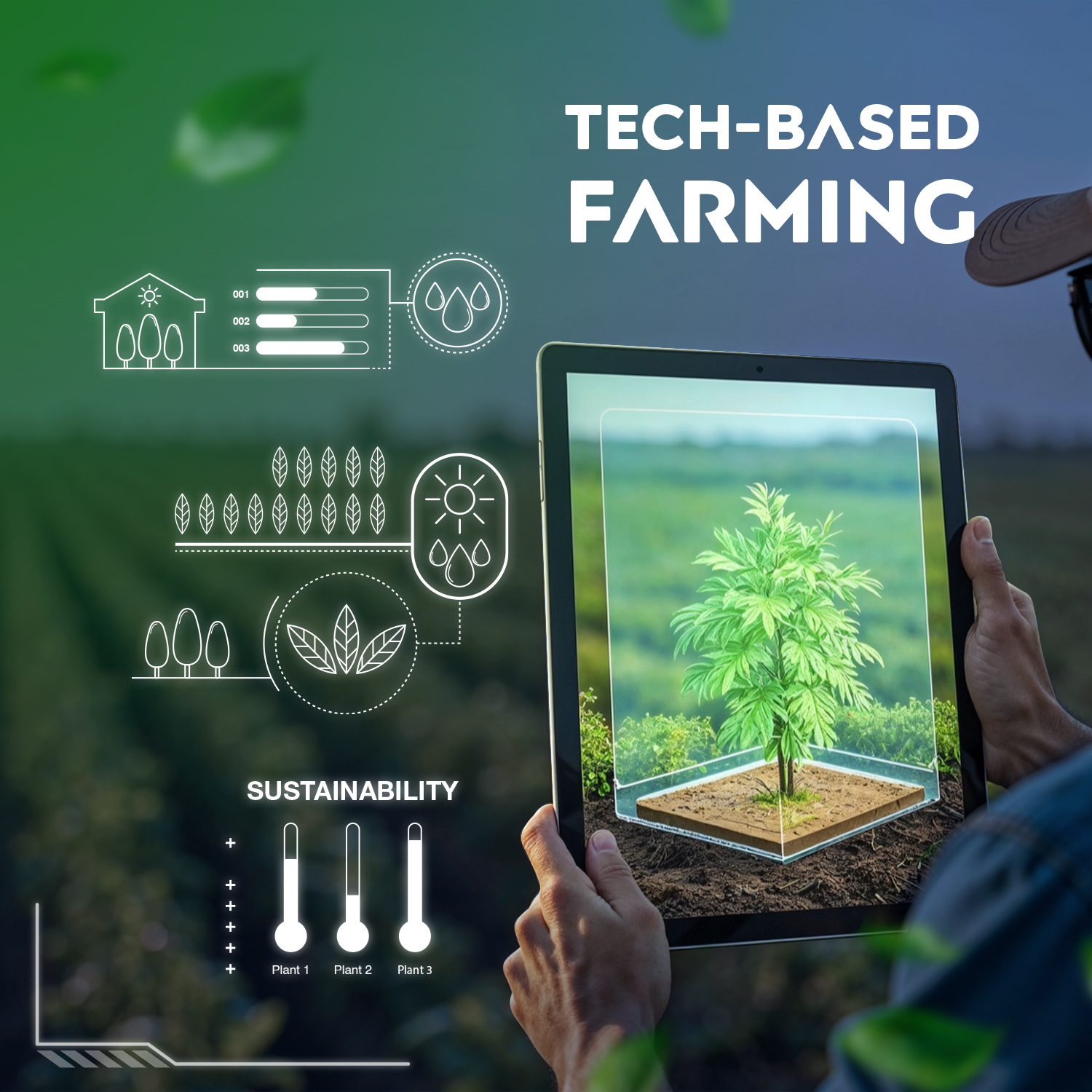
Expanded tech-based farming programs backed by PH lawmaker
February 17, 2025 Expanded tech-based farming programs backed by PH lawmaker Believe it or not, many countries are now using AI robots to automate farming. Artificial intelligence enables farmers to delegate most of the physical labor of cultivating crops to robots. Moreover, these machines are starting to raise livestock too. Soon, these technologies will change how countries sustain their food supplies. Nowadays, various companies even use artificial intelligence to check soil quality and weather conditions to confirm their plants can grow on their land. For instance, the Farmers Business Network in San Carlos, California, uses AI systems to analyze massive amounts of data. As a result, they help local farmers accurately predict what to plant, when to plant, and other conditions. These AI predictions give farmers a higher chance of gaining yields and profiting from their crops. It’s like using a crystal ball that uses grounded science instead of fantastical hocus pocus. In the Philippines, the chairperson of the House Committee on Information and Communication Technology (ICT) recommends expanding technology-driven farming programs. Navotas Rep. Toby Tiangco said the government must equip farmers with the latest tools and skills to maximize productivity and income potential. He also said that embracing technology-driven farming methods is key to strengthening our agricultural sector. He cited small water impounding systems, fertigation techniques and drip irrigation in Hermosa and Dinalupihan, Bataan, which boosted crop yields. “According to the agriculture department, these technologies can cut fertilizer use by up to 70% and reduce water consumption by 30%,” he added. Moreover, the lawmaker said the national expansion of these farming programs will help farmers optimize resources and decrease production costs. Tiangco urged that we need to replicate these programs nationwide. Expanding their reach will help farmers optimize resources and lower production costs. He called on the Department of Agriculture (DA) to explore additional private-sector partnerships to boost farmer welfare. Also, he highlighted the DA-Agricultural Training Institute’s Digital Farmers Program (DFP). It provides farmers with tablets, smartphones and internet access to enhance agricultural productivity. The lawmaker stated: “The lack of access to smartphones and internet is a major barrier to technology adoption among rice farmers.” He also said that connecting agricultural services online will provide farmers with valuable data and easier access to government assistance. “The government must invest in programs that give farmers access to digital tools,” Tiangco said further. Fortunately, the Philippines has promising AI farming programs, such as Agriconnect. This is a farm tracking app that helps rice companies manage the risks through AI and IoT. It facilitates farm risk management with three steps: Collect data from multi-spectral IoT sensors; Transmit AI insights to the mobile app; Then, farmers can act on these insights. The sensors can detect soil moisture, water levels and pests. Then, the app will summarize the data and classify the threat as “serious,” “mild” and “good.” Reference: Lawmaker advocates expanded tech-based farming programs

PH Senate okays Konektadong Pinoy Act to boost Net connection
February 14, 2025 PH Senate okays Konektadong Pinoy Act to boost Net connection The proposed Konektadong Pinoy Act (KPA) has been passed by the Senate on third and final reading. The law aims to improve the country’s internet connection, which is one of the slowest and most expensive in the region. The senators on Wednesday (Feb. 5, 2025) approved Senate Bill (SB) 2699 which encouraged more local and foreign investments to improve internet infrastructure. Sen. Grace Poe said: “By easing registration and injecting much-needed competition in our ICT industry, we hope to achieve the internet infra that our digitally hungry fellow Filipinos deserve.” The Philippines “is also one of the most expensive internet connections in the ASEAN (Association of Southeast Asian Nations) and ranks 4th in terms of time spent on social media,” she added. The senator said that in 2023, the Philippines ranked 124 out of 169 countries in terms of ICT (information and communications technology) development. Being one of the proponents of the bill, Poe raised the need to ensure that the country’s digital transformation is equitable and inclusive. She said that the World Bank, in its 2024 Policy Paper, cited the country’s outdated legal framework as one of the key barriers to market entry and investment. The KPA aims to simplify the process for telecommunications companies to get approval, manage the radio spectrum more effectively to enhance service quality and coverage, require telecommunications companies to share infrastructure with new companies, and set performance standards to ensure effective implementation and protect Filipino consumers. The 2025 national budget, which Poe sponsored, also saw significant increases in ICT items, particularly for the Free Wifi Program, which was raised to P7.5 billion from P2.5 billion in 2024. “We can never be a fast-growing economy with a slow internet. By easing registration and injecting competition in our ICT industry, we hope to achieve the internet infrastructure that our digitally hungry kababayan deserve,” Poe said. In a related ASI article (October 2024), the World Bank’s Board of Executive Directors has approved 268.22 million euros ($287.24 million) in funding for the Philippines Digital Infrastructure Project. This project will invest in the government’s national fiber optic backbone, middle-mile, and last-mile connectivity infrastructure, while ensuring these facilities are secure against cybersecurity threats and climate risks. With the approval of the funding, more than 20 million Filipinos are going to enjoy better internet connectivity across the country. Reference: Senate approves Konektadong Pinoy bill

Schools must adopt an ethical use of AI in their teaching methods
February 12, 2025 Schools must adopt an ethical use of AI in their teaching methods Citing a 2023 study by the Association of Southeast Asian Nations, the Commission on Higher Education (CHEd) has been finetuning its curriculum requirements to meet quickly evolving changes in job markets. The study has shown the top fastest growing jobs in the region were AI and machine learning specialties; data analysts and scientists; sustainability specialists; robotics engineer, among others. At the rate AI trend is gaining ground, classrooms worldwide will offer AI education sooner or later as artificial intelligence is in every device. AI skills have become more important than ever for students to secure their future and course through our digital world. Preparing students for the age of AI by learning the following tips may well be the way to go: 1. Foster critical thinking. US-based K-12 education provider Carnegie Learning says teachers should show students that AI can answer their questions. However, these machines may also commit errors and follow narrow biases. Promote critical thinking in AI education by requiring pupils to ask ChatGPT for multiple points of view on subjects. Students’ use of ChatGPT must also limited and sources verified as well. 2. ChatGPT as a tool, not a replacement. Students must consider AI as a tool, not a substitute for their thinking. Guide students to use ChatGPT to start research or brainstorming, not to write on their behalf. Let’s say you’re discussing climate change. Ask students to use AI as part of their research and then ask them to form unique solutions. 3. Explore bias in AI. Computer teachers could show students the flaws of AI, specifically its harmful ideas and biases. ChatGPT, Google Gemini, and other AI bots train on human databases. Because humans have biases, these datasets likely reflect their views and preferences. 4. Confirm information accuracy. ChatGPT’s initial public version could only use information from 2021, limiting its research capabilities. Nowadays, it can look up data on the Internet. However, AI bots are still prone to using dubious sources. For example, a 2023 Stanford study found that ChatGPT went from answering simple math problems correctly 98% of the time to only 2%. 5. Explain how you used AI. Students may use ChatGPT but they must explain why and how they did so. Reading teachers may ask pupils to note whenever they use it for proofreading, outlining, or brainstorming. Also, they may ask students to reflect on the benefits and issues of using AI chatbots for a specific assignment. 6. Define cheating in AI education. It can be difficult to identify cheating and plagiarism when using AI bots as they can create content for people. Nevertheless, teachers must establish ground rules, such as: “Even if you prompted it with your idea, copying and pasting a ChatGPT answer is still plagiarism.” 7. Respect data privacy and consent. Teach students that any information they share with ChatGPT is no longer private. OpenAI and other AI firms collect user data and analyze their responses to enhance services. Consequently, sharing personal information can compromise cybersecurity. Reference: AI education: How students can use AI ethically
DeepSeek AI is sending shockwaves throughout the tech world
February 10, 2025 DeepSeek AI is sending shockwaves throughout the tech world Since AI became all the buzz last year, the digital world has been beaming yet somewhat “agitated” with how this phenomenon in technology is revolutionizing the digital landscape. AI tools have mushroomed and the battle for the “best” is ongoing. ChatGPT is leading as the most popular in the world. The AI chatbot receives 3.1 billion monthly website visits from over 180 million users. Canva, DeepL, Google’s Gemini, Character AI, and Microsoft Copilot come next in popularity. However, China’s AI chatbot DeepSeek, has been stunning Silicon Valley by becoming one of the biggest competitors to US firm OpenAI’s ChatGPT. The latest DeepSeek models, released in January 2025, are said to be both extremely fast and low-cost. The DeepSeek-R1, the last of the models developed with fewer chips, is already challenging the dominance of giant players such as OpenAI, Google, and Meta, sending stocks in chipmaker Nvidia plunging. Where did DeepSeek come from? The Hangzhou, China-based company was founded in July 2023 by Liang Wenfeng, an information and electronics engineer and graduate of Zhejiang University. It was part of the incubation program of High-Flyer, a fund Liang founded in 2015. Liang, like other leading names in the industry, aims to reach the level of “artificial general intelligence” that can catch up or surpass humans in various tasks. DeepSeek’s journey began in November 2023 with the launch of DeepSeek Coder, an open-source model designed for coding tasks. This was followed by DeepSeek LLM, which aimed to compete with other major language models. DeepSeek-V2, released in May 2024, gained traction due to its strong performance and low cost. It also forced other major Chinese tech giants such as ByteDance, Tencent, Baidu, and Alibaba to lower the prices of their AI models. One of the main reasons DeepSeek has managed to attract attention is that it is free for end users. This is the first such advanced AI system available to users for free. Other powerful systems such as OpenAI o1 and Claude Sonnet require a paid subscription. Even some subscriptions impose quotas on users. Users can access the DeepSeek chat interface developed for the end user at “chat.deepseek”. It is enough to enter commands on the chat screen and press the “search” button to search the internet. What has the reaction to DeepSeek been? Alexandr Wang, CEO of ScaleAI, which provides training data to AI models of major players such as OpenAI and Google, described DeepSeek’s product as “an earth-shattering model” in a speech at the World Economic Forum (WEF) in Davos on January 20-24, 2025. While DeepSeek has stunned American rivals, analysts are already warning about what its release will mean in the West. “We should be alarmed. Chinese AI technology integrating further into the UK and Western society is not just a bad idea — it’s a reckless one,” Ross Burley, Co-Founder of the Centre for Information Resilience, said. Philippine govt agencies warn public vs AI chatbots The Department of Information and Communications Technology (DICT) and Department of Science and Technology (DOST) are urging Filipino cyber geeks and netizens to be wary of engaging with artificial intelligence chatbots, following worldwide disruption caused by a Chinese AI startup. DICT Secretary Ivan John Uy said, at a forum in January 2025, that people should be “more discerning” in engaging with AI chatbots regardless of who developed the bot, especially with the details these machines disclose. Australia bans DeepSeek AI program on govt devices Australia has banned DeepSeek from all government devices on the advice of security agencies, a top official said Wednesday (Feb 5, 2025), citing privacy and malware risks posed by China’s breakout AI program. The DeepSeek chatbot — developed by a China-based startup — has astounded industry insiders and upended financial markets since it was released in January (2025). But a growing list of countries including South Korea, Italy and France have voiced concerns about the application’s security and data practices. Government cyber security envoy Andrew Charlton said: “We don’t want to expose government systems to these applications.” South Korea’s industry ministry bans access to DeepSeek South Korea’s industry ministry has temporarily banned employee access to Chinese artificial intelligence startup DeepSeek due to security concerns, a ministry official said on Wednesday, (Feb 5, 2025) as the government urges caution on generative AI services. The government issued a notice on Feb 4 calling for ministries and agencies to exercise caution about using AI services including DeepSeek and ChatGPT at work, officials said. State-run Korea Hydro & Nuclear Power said it had blocked use of AI services including DeepSeek earlier in February 2025. Reference: DeepSeek, the AI chatbot from China sending shockwaves through the tech world? DICT, DOST warn public vs AI chatbots Australia bans DeepSeek AI program on govt devices South Korea’s industry ministry temporarily bans access to DeepSeek on security concerns, official says

Jose Rizal featured as playable leader in Civilization VII video game
February 07, 2025 Jose Rizal featured as playable leader in Civilization VII video game Since 1991, the award-winning Civilization series of turn-based strategy games has challenged players to guide a civilization through history and build an empire to stand the test of time. Players assume the role of a famous historical leader, making all the crucial economic, political, and military decisions as they pursue one of multiple paths to victory. Created by Sid Meier and Bruce Shelley, the original Civilization is widely considered one of the most influential turn-based strategy games ever made. Civilization launched with many innovative features and a sweeping strategic framework that persist in the series to this day. Being the first civilization to assemble a spaceship and complete that journey was one of three ways to achieve victory in the original Civilization. For this year (2025), in the upcoming Civilization VII, Filipino national hero Jose Rizal will be a playable leader, joining a roster of renowned historical figures. Rizal’s addition to Civilization VII highlights his significance in Philippine history. As a revered national hero, Rizal is known for his writings that boldly criticized Spanish colonial rule. These writings ignited the revolution and ultimately led to his execution by the Spanish. Here’s the game’s description of Rizal: Long regarded as a hero of the Philippines, José Rizal was a passionate defender of the dignity and autonomy of Filipinos. He first gained his reputation as a political activist in Europe, criticizing the Spanish rule of his homeland, and though he advocated for peaceful reform and equal rights, Rizal was eventually tried and executed by the Spanish. Yet his revolutionary spirit could not be contained, and has inspired Filipinos ever since. In Civilization VII, Rizal’s unique ability, “Pambansang Bayani,” provides bonuses to Culture and Gold when gaining rewards from Narrative Events. Rizal’s “Kapwa” agenda, which emphasizes the importance of community and cooperation, will influence his diplomatic interactions with other civilizations in the game. The Filipino hero will join other great leaders in the game including Augustus, Benjamin Franklin, Catherine The Great, Charlemagne, Confucius, and Machiavelli, among others. Sid Meier’s Civilization VII is set to launch on February 11, 2025. It will be available across multiple platforms, including the PS5, PS4, Xbox Series X|S, Xbox One, Nintendo Switch, and PC via Steam and the Epic Games Store. Cross-play multiplayer is supported. https://youtu.be/MGOdJMNN2b0 Reference: Sid Meier’s Civilization | Official Civilization Site Reference: Jose Rizal joins the ranks of playable leaders in Civilization VII
TikTok faces US ban amid security concerns, Impact on youth
February 02, 2025 TikTok faces US ban amid security concerns, Impact on youth In the digital age, social media has many benefits and downsides as well. Research suggests that excessive time spent on social media has a direct impact on our mental and physical health. Social media is specifically designed to trigger the reward mechanism in our brain, making it very easy to form some degree of dependence. That’s why we sometimes feel a strong urge to pick up the phone and check our socials, the same way a smoker craves tobacco. In April 2024, the US Congress has approved a law that could potentially lead to a ban on TikTok in the country. This legislation was passed amidst growing concerns on Chinese influence and the impact of social media on young people. Under the law, TikTok parent company ByteDance has two options: either sell TikTok to an approved US firm within nine months, or face a potential ban in the country. Unsurprisingly, TikTok pushed back and will challenge the law in court. On Jan. 18, 2025, TikTok has gone dark in the US just hours before a new law banning the platform was set to take effect. A message appearing on the app for US users said a law banning TikTok had been enacted. This comes after TikTok prepared to shut down in the US on Jan. 19 if a reprieve didn’t arrive in time. There’s still some hope though. President Donald Trump has said he’s willing to give TikTok a 3-month break from the ban hammer once he takes office. The following day (Jan. 19), after going dark for US users, TikTok was back online in the United States, crediting its return to President Donald Trump. A message appeared on the app welcoming users back to the platform, stating, “Thanks for your patience and support. As a result of President Trump’s efforts, TikTok is back in the US!” The Supreme Court upheld the law, but Trump then issued an executive order to halt enforcement of the law for 75 days. While this reprieve is certainly welcome news for TikTok users, the long-term fate of the app in the US remains unclear. The law that led to the ban required ByteDance to sell the US version of TikTok to an American company or face a permanent ban. The deadline was set for January 19. The app was also removed from the Apple and Google Play stores, along with Lemon8 and CapCut, which are also owned by TikTok’s Chinese parent company, ByteDance. TikTok has over 170 million users in the US, making this temporary ban a significant disruption for many. The US Justice Department has maintained that Chinese control of TikTok poses a continuing threat to national security. In the Philippines, similar concerns led to discussions of a potential ban in 2023, resulting in the prohibition of military personnel from using the app. The recent developments in the US could reignite similar discussions in the country. In the meantime, US users are reportedly flocking to the Chinese platform RedNote, also known as Xiaohongshu. Reference: Law that could lead to TikTok ban passes in the US – Technobaboy
Get Updated: Popular Internet Terms You Need to Know
January 31, 2025 Get Updated: Popular Internet Terms You Need to Know The internet being a vast, confusing place is no longer something to wonder about. But it’s helpful to learn some of the technical terms to avoid confusion about acronyms like DOCSIS, the difference between “Wi-Fi” and “internet,” and so on. We’ve got you covered with a simple list of some of the most common home internet terms. Access points: Access points are Wi-Fi range extenders connected to the router via Ethernet cables running through your walls or ceiling. The wired connection lets you place Wi-Fi extenders in areas where the router’s signal may not sufficiently reach, like on different floors or down in the basement. It often produces a stronger signal than standard Wi-Fi extenders too. ACP: This is shorthand for the Affordable Connectivity Program, a now-expired federal program that aimed to make broadband affordable for qualified low-income households. Participants in the ACP received $30 per month ($75 monthly on Tribal lands) off their home internet bills. Congress failed to renew the pandemic-era program, which over 23 million homes in the US utilized. Bandwidth: Bandwidth is the amount of data an internet service can transfer in a certain amount of time. The concept is usually measured in megabits per second (Mbps) or gigabits per second (Gbps): 1 gigabit equals 1,000 megabits. Higher numbers indicate the potential for higher bandwidth, so 1,000Mbps home internet is “faster” than 300Mbps service. Your actual internet speeds will vary depending on your provider, equipment and network congestion, but bandwidth is a useful measurement for comparing plans and can give you an idea of how fast your internet will be. Broadband: Broadband is more than just any old internet connection. It’s a high-speed internet connection. In the US, the Federal Communications Commission has a specific definition for what counts as broadband. An internet connection needs to offer at least 100Mbps downloads and 20Mbps uploads. That’s a big boost over the previous benchmark of 25Mbps downloads and 3Mbps uploads. If your speeds are below the FCC threshold, you might want to shop for a faster option if you can get it. Cable internet or coaxial cable: Cable internet is one of the most common types. It delivers internet to homes through coaxial cables, usually consisting of copper wires surrounded by insulation and shielding material. It’s typically faster than DSL but doesn’t reach the top speeds of fiber internet. A cable connects to a modem (more on this later) at your home. Xfinity, Cox and Spectrum are examples of major cable ISPs. Data: Think of data as pieces of information or content. If you’re watching Netflix in your living room, you’re transferring video and audio data through your internet connection to your television at home. When shopping for home internet, consider how the ISP and plan you choose will handle your data. Gamers, for example, need to transfer data up and down quickly, so they might look for a fast fiber plan that prioritizes the speedy movement of data for both downloads and uploads. DNS: This acronym stands for domain name system. A domain name represents the Internet Protocol address (more on that later) of a computer, server or website — because typing in “cnet.com” is much easier than remembering and entering a long series of numbers, letters and punctuation. The DNS translates what we type into what the server needs to get you there. Data cap: Some internet providers limit the amount of data you can transfer each month. Some providers will slow your internet down once you reach the cap or charge an additional fee if you exceed it. That might not be a problem if you’re a casual internet user, but it can be annoying (and potentially expensive) if you move large files or lots of data through your connection. Take note of whether or not a data cap applies to your chosen home internet plan. DOCSIS: Data over cable service interface specification is a telecommunications standard to consider when shopping for a cable modem. DOCSIS allows your modem to deliver internet from your cable provider to your home. There are different versions of DOCSIS, so it’s important to get the right version with the right modem for your needs. The newer DOCSIS 3.1 standard supports faster speeds than the 3.0 version. Download speeds: The speed of your internet connection is measured in megabits per second (Mbps) but with two metrics: how fast it takes to download data and how fast it takes to upload data. Download speeds refer to the speed your home internet set-up downloads data. You can measure that speed easily for yourself with a speed test. Download speeds are also referred to as “downstream.” DSL: The digital subscriber line is an older method of data transmission, but it’s still widely available in many parts of the US. It uses telephone lines (the same tech used for landline phone calls) to provide an internet connection. It has since been eclipsed by cable and fiber internet, both of which offer faster connections. CenturyLink is one of the most well-known DSL providers. Ethernet: Ethernet is a computer networking technology most visible to home internet users through the use of ethernet cables to create a wired network. Ethernet allows for the transfer of data. For example, you might connect a desktop computer to a router using an ethernet cable. It has a reputation for speed and stability but requires running physical cables between devices. Some home networks use both wired ethernet and wireless components. Fiber internet or fiber-optic cable: Often just called “fiber,” fiber-optic internet is a wired broadband connection delivered over fiber-optic cables as opposed to coaxial cables (cable) or telephone lines (DSL). Fiber-optic cables consist of a bundle of tiny glass or plastic strands that transmit data using light. They’re capable of much faster top speeds than DSL or cable internet, and typically, uploads are as fast as downloads. Google Fiber, Quantum Fiber and Verizon Fios are examples of fiber
Wi-Fi may soon be converted into electricity to power devices
January 27, 2025 Wi-Fi may soon be converted into electricity to power devices When it comes to Wi-Fi connectivity, the Philippines needs a robust infrastructure to boost growth and attain its goal of becoming an upper middle-income country in the next couple of years. This is according to World Bank vice president for East Asia and Pacific, Manuela Ferro, who said that bringing greater internet access to the grassroots can bridge the digital divide, empower communities, and unlock the full potential of the digital economy. However, even before the Philippines attains the desired robust infrastructure in terms of Wi-Fi connectivity, innovations in the world of technology continue to take place. One can’t help but get caught unaware of things to come because they happen fast. The best thing to do is to be always on the lookout for what is new because just when we thought that technology is at its peak, there is more to come. After all, acquiring knowledge about the progress in technology is a continuing process. Researchers at the National University of Singapore have developed a groundbreaking technology that transforms ambient Wi-Fi and cellular signals into usable electricity, paving the way for battery-free electronic devices. By utilizing nanoscale spin-rectifiers, the system converts low-power RF signals into DC voltage, even at signal levels below -20 dBm. Traditional rectifiers, such as Schottky diodes, struggle to operate at low power due to thermodynamic constraints and parasitic effects. However, nanoscale spin-rectifiers offer a more compact and efficient solution. “Nanoscale spin-rectifiers offer a compact technology for sensitive and efficient RF-to-DC conversion,” said Professor Yang Hyunsoo, who led the project. The technology, featuring a rectifying antenna (rectenna), captures electromagnetic waves and converts them into electricity using quantum materials, achieving an efficiency of 7.8%. “Spin-rectifier technology offers a promising alternative, surpassing current Schottky diode efficiency and sensitivity in the low-power regime,” said Dr. Raghav Sharma, the first author of the paper. The research team is now focusing on integrating an on-chip antenna to further enhance the efficiency and compactness of their technology. The scientists are also considering series-parallel connections and on-chip interconnects to improve RF power harvesting, with the potential to generate enough voltage to eliminate the need for a DC-to-DC booster. “This advancement benchmarks RF rectifier technologies at low power, paving the way for designing next-generation ambient RF energy harvesters and sensors based on spin-rectifiers,” Sharma said. This innovation has already powered small devices, such as sensors and thermometers, and future advancements could integrate on-chip antennas to support battery-free IoT devices, significantly reducing the carbon footprint of wireless networks. Reference: Forget batteries! This device turns Wi-Fi signals into electricity

Computer servers dipped in liquid coolant turn out as energy savers
January 24, 2025 Computer servers dipped in liquid coolant turn out as energy savers Innovations in the world of technology are constantly emerging. One can’t help but get caught unaware of things to come because they happen fast. The best thing to do is to be always on the lookout for what is new because just when you thought that technology is at its peak, there is more to come. After all, acquiring knowledge about the progress in technology is a continuing process. Engineers at the US-based Sandia National Laboratories are pioneering an innovative approach by submerging computer servers in liquid coolant, which dramatically decreases the reliance on traditional, energy-intensive cooling systems. This groundbreaking technique not only enhances cooling efficiency but also has the potential to reduce energy consumption by an impressive 70%. This advancement could significantly reshape the architecture of data centers, leading to more sustainable practices. Dave Martinez, engineering program project lead for Sandia’s Infrastructure Computing Services, said: “Complete immersion of computer components appears to be the most effective way to cool them.” “We place whole computers — their power cables, everything — in a liquefied solution. We take an entire rack and drop it into fluid contained in big immersion tanks,” he added. He believes that this direct contact between a liquid coolant and electrified equipment “could reshape the future designs of data centers.” By submerging all parts of the computing servers in a liquid coolant that doesn’t conduct electricity, 100% of the generated heat can be captured, almost entirely eliminating the need for the power-hungry fans and chillers used in conventional cooling systems. Dave estimates that this type of cooling system, using liquid approximately the viscosity of cooking oil, would cut energy consumption by 70%. Unlike water-chill systems that require evaporation to lower operating temperatures, no water is lost; the coolant gives up its heat to the open air, given the right temperature differential. Sandia’s forward-thinking approach arises from projections that the increasing water and electrical power demands for cooling in high-performance computing eventually will exceed the resources of small towns and become an unsupportable burden. To address this, Sandia is formally testing a commercial nonconductive liquid system from Barcelona-based company Submer Technologies throughout the summer. According to the Submer website, their single-phase immersion cooling system uses a biodegradable, nontoxic, nonflammable and noncorrosive liquid. In 2020, Submer, in collaboration with Intel Corp., introduced the idea of a liquid coolant that would bathe all components of a computing system to provide even cooling and allow higher operating temperatures. As a bonus, the warmer temperature of the returning liquid can offer some heat to adjacent buildings during winter months and can be used to heat labs and showers in the summer through heat-exchange processes. Sandia will conduct comprehensive tests on this system, evaluating hardware reliability and infrastructure support cost and effort. A case study is expected to be released this fall to assess the pros and cons of the technology. Reference: Electrical circuits encased in fluid may reshape data-center design – LabNews https://www.facebook.com/SandiaLabs https://www.instagram.com/p/DDd-CxOyX2t/
Social media trends making waves in 2025!
January 22, 2025 Social media trends making waves in 2025! The new year always brings a certain anticipation of things yet to come. In the world of technology, surprising developments may not be too surprising anymore. Last year, AI was all the buzz and the digital world is beaming but somewhat “chaotic” with how this “phenomenon” in technology is revolutionizing the digital landscape. It’s 2025, and this early, waves are being made in the world of social media. From personalization of content to new mediums and old throwbacks, the following trends presented here are sure to change social media as we know it. Read on and find out! AI will be a game-changerBrands that adapt quickly to the world of AI may have a huge competitive advantage over those that don’t. Brands in 2025 will likely use AI for content creation, customer engagement, and workload reduction. TikTok will still be a massive hitTikTok offers creative, short-form videos that keep users interested, even hooked. The almost addictive nature of TikTok is great for advertisers and influencers alike. Social media as a search destinationTikTok, Instagram, and other social platforms are becoming search tools. So, instead of using search engines like Bing or Google, many people will search social media for their answers. Full-screen content dominates engagementVertical videos have higher completion rates thus encouraging brands to adopt full-screen formats to improve their customer interaction. YouTube Shorts gaining tractionNumerous brands will attract younger audiences with short-form videos while still driving traffic to longer content. Personalized brand interactionsSocial media is becoming a primary tool for real-time customer support and reputation building. Instead of having to email a company and possibly wait days or more to hear back, social media can be much quicker. Nostalgia marketingRetro trends and nostalgia are making a comeback. Combine some modern twists, and these campaigns are sure to resonate with different audiences. Crisis management on social mediaIf something negative happens with a brand, they’ll likely start turning to social media, if they haven’t already. Social media can help quickly address issues and provide real-time solutions in a public way. Reference: Social media trends shaping online engagement in 2025