








Pinoy professionals develop VR games for people with dementia
Breakthroughs in the world of technology are constantly cropping up. Nowadays, one can’t help but get caught unaware of things to come because they turn up fast. Therefore, the best thing to do is to be in constant watch for what is new because just when you thought that technology is at its peak, more is likely to come. Take for instance the innovations in the field of healthcare. Dementia and cerebral palsy are two of the major health concerns affecting adults and children respectively. Finding a cure is a perennial challenge for medical researchers and health experts.
People with dementia suffer from cognitive and psychological changes, which, according to the Mayo Clinic, include memory loss, problems communicating or finding words, trouble with visual and spatial abilities, poor coordination and control of movements, confusion and disorientation, depression, anxiety, and agitation.
According to the Mayo Clinic, cerebral palsy is ”a group of conditions that affect movement and posture,” which is ”caused by damage that occurs to the developing brain, most often before birth.” It further said: ”Some people with cerebral palsy can walk while others need assistance. Some people have intellectual disabilities, but others do not. Epilepsy, blindness, or deafness also might affect some people with cerebral palsy. There is no cure, but treatments can help improve function.”
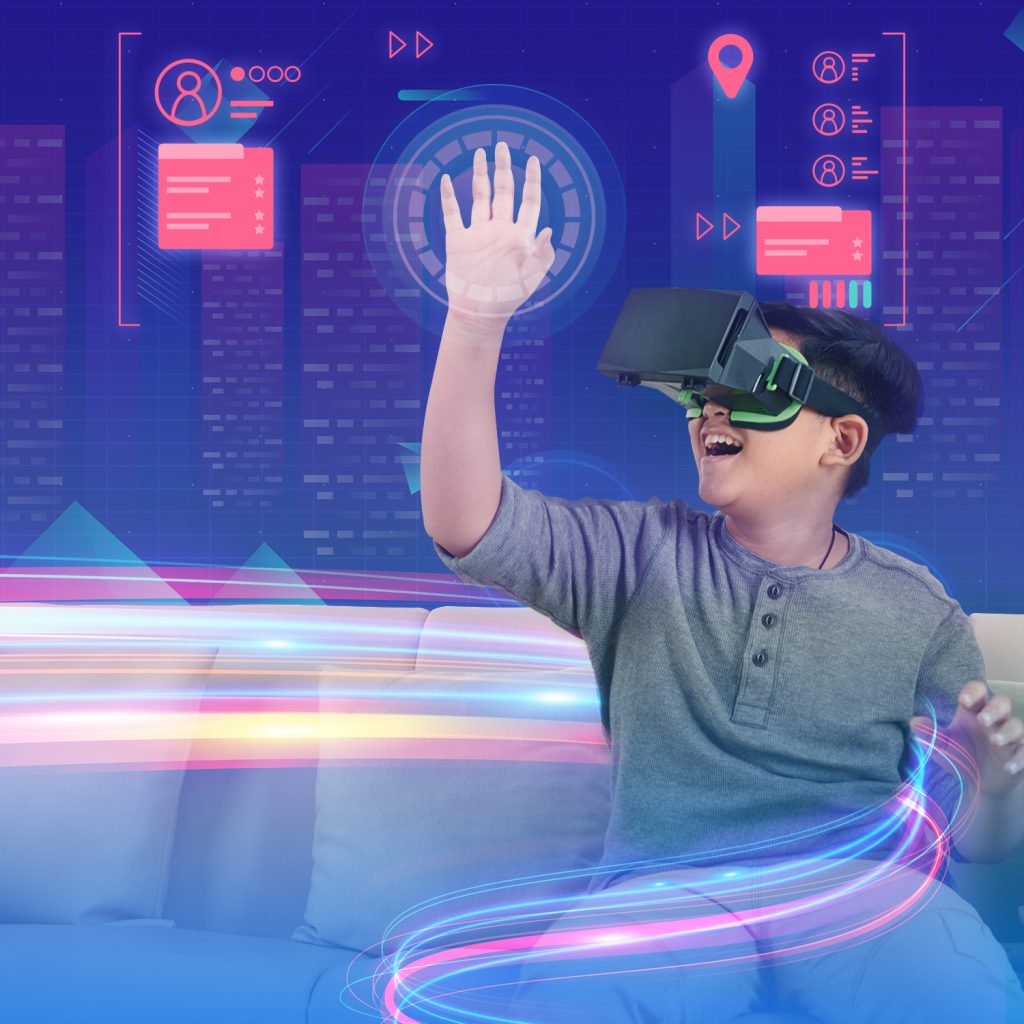
The research group called “AXEL Virtual Care: Alagang Pinoy sa Makabagong Panahon,” is a group of Filipino professionals who have developed virtual reality games aimed at supporting the rehabilitation of adults with dementia and children with cerebral palsy. The group which include computer scientists, and game designers involving faculty members from UP Manila College of Allied Medical Professions, College of Medicine, and UP Diliman College of Engineering, features games: “Mission to Planet Axel” (for cerebral palsy) and “Suroy-suroy” (for dementia).
Mission to Planet Axel aims to help improve the balance, strength, and walkability of children with cerebral palsy, while Suroy-suroy seeks to help manage behavioral and psychological symptoms affecting elderly patients with dementia.
”Aside from its user-friendly interface, both sets of virtual reality games bear themes with cultural relevance for Filipinos. The games were described as ‘fun and exciting, memorable, meaningful, and relaxing’ by volunteers who participated in the early testing phases of the technology,” the UP Manila Information, Publication, and Public Affairs Office said in a press release on Feb 18, 2025.
Reference: VR games developed to support people with dementia, cerebral palsy