







Researchers Reveal Alarming Findings from Brain Scans of ChatGPT Users
ChatGPT, or Chat Generative Pre-Trained Transformer, can expertly generate realistic, human-like text about almost anything. English essays, news articles, computer code, and songs are all examples of what this bot can produce, and all from a simple prompt. The bot uses a dialogue format in which users can provide both simple and complex instructions, to which ChatGPT will provide a detailed response.
A previous ASI article reported that at the inaugural “Festival Of Childhood” on April 3, 2025 in England, Dame Rachel de Souza who is Children’s Commissioner for England has warned that children are increasingly turning to online chatbots instead of their parents for answers to life’s biggest questions. She said that the “apathy” of many parents is causing a “crisis in childhood” that is leading to many children feeling “disconnected.”
In an era where AI-driven tools are increasingly intertwined with daily life, understanding the impact of these technologies on the human brain is of paramount importance. Researchers, using advanced electroencephalogram (EEG) technology, have conducted studies to explore the brain activity of individuals interacting with ChatGPT. The findings were unprecedented, revealing significant neurological changes in users’ brains during and after AI engagement.
These changes pose serious questions and implications for how AI tools influence cognitive processes. This discovery aims to shed light on the neurological repercussions that arise from prolonged interaction with AI language models like ChatGPT, raising questions about the potential long-term effects on mental health and cognitive functions.
Specifically, EEG scans have shown altered brain wave patterns, indicating heightened levels of activity in areas related to attention, memory, and linguistic processing. While this hyperactivation might seem beneficial for cognitive sharpening, experts express concerns about the potential for overstimulation and mental fatigue, particularly with long-term use of AI technologies.
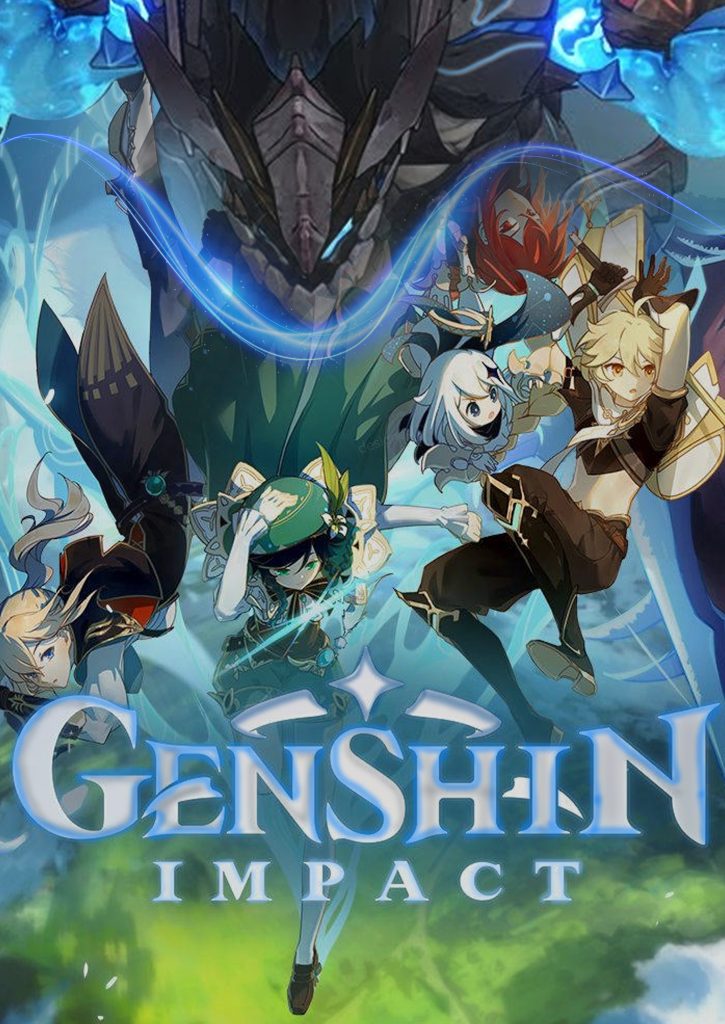
The Philippine moon-eating dragon, will be the game’s new boss which will appear in the new area of Natlan called the Mare Jivari. This was revealed during the game’s version preview. Prior to the preview, the Bakunawa has been teased throughout the game’s lore. Created by Rhinedottir, one of the five sinners of Khaenri’ah, the Bakunawa is an immortal creature able to regrow its limbs when needed.
Though many different tales surround the Bakunawa, there is a constant element of making noise by banging by striking pots and pans to scare off the creature or have it return the moon. Meanwhile, according to the game’s lore, Mare Jivari is a “sea of ashes where the wind does not blow” with a sea of fire and apparently vanished 30 years prior to the events of the game. Genshin Impact is a vast world of elemental magic and mysteries.
Released in 2020, it’s an action role-playing game produced by MiHoYo/HoYoverse. The game features an anime-style open world environment and an action-based battle system using elemental magic and character-switching. Switching between characters can be done quickly during combat, allowing the player to use several different combinations of skills and attacks.

The growing dependency on AI
The utilization of language models like ChatGPT has grown exponentially, permeating various aspects of society, from customer service to content creation. As these AI tools become more sophisticated, individuals increasingly rely on them for professional and personal tasks, sometimes at the expense of human interaction. This dependency can raise the stakes regarding potential neurological impacts, with users exposing their brains to prolonged AI interaction without fully understanding the consequences.
Reference: Brain Scans of ChatGPT Users Reveal Alarming Neurological Findings – czechjournal.cz