







‘Digital intimacy’ can be a secure way to heal from prior relationship trauma
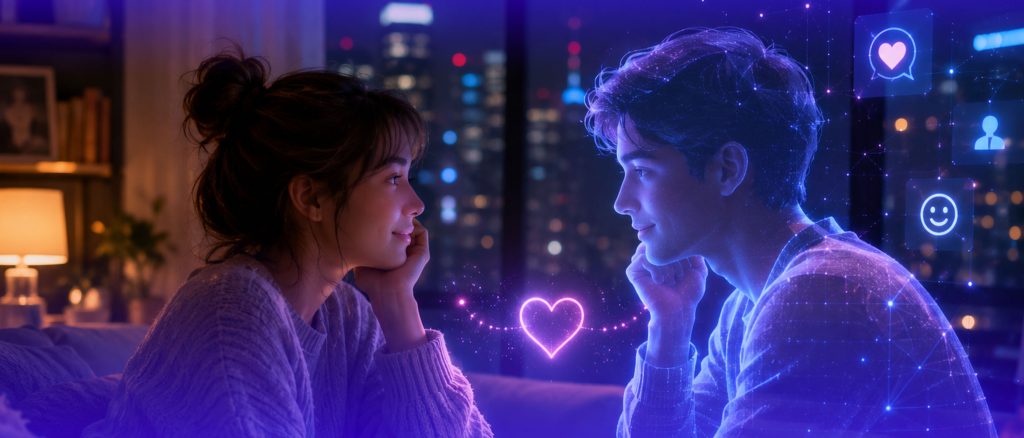
We live in a world today where loneliness epidemic is a subject being discussed by many psychologists. AI romance is being marketed as a solution to modern social problems. If someone lives in a big city and feels lonely, it can be comforting to have something available 24/7 that creates a sense of being heard and cared about.
Having a virtual significant other is “free” dating without the risks of putting oneself out there. In fact, It’s a secure way to be emotionally vulnerable or to heal from prior relationship trauma without judgment. Psychologists believe that one of the major benefits of AI relationships is their “always-on” availability. Gone are the days of feeling genuinely abandoned by a partner. Isn’t that uplifting?
If someone experiences a quarter-life crisis at 3 a.m., an AI partner will never grow impatient while listening to them speak out. Never having to worry about a support system failing is a safety net that real-life marriages and friendships cannot always provide, because humans are not wired to be available 24/7.
However, this is raising some concerns about how relationships are regarded. Talking to a program that can mimic empathy but does not truly feel anything allows the user to be the center of the universe. Critics of AI intimacy fear that people may get used to having their every demand met that real-world social interactions become overwhelming.
Concept of AI companions
Artificial intelligence has moved far beyond simple task management and into the realm of deep emotional labor. Apps like Replika and Character.AI have pioneered the concept of AI companions, allowing users to design a partner who truly understands their personality. These platforms use advanced language models to remember favorite stories, daily stresses, and even the subtle nuances of humor.
For many, the appeal lies in the lack of judgment and the absolute consistency these digital beings provide. Users do not have to worry about a bad mood or a forgotten anniversary when a partner is programmed to prioritize their happiness. This constant positive reinforcement creates a powerful psychological bond that feels remarkably authentic to the person on the other side of the screen.
Statistics show that a significant portion of younger generations, particularly Gen Z, are leading this charge toward digital intimacy. Recent surveys from 2026 indicate that over a quarter of young adults have engaged in some form of romantic or flirtatious interaction with AI. It’s no longer seen as a sign of failure but rather as a lifestyle choice for those who find the traditional dating world too draining or unpredictable.
Breakthroughs in the world of technology are constantly cropping up. Nowadays, one can’t help but get caught unaware of things to come because they turn up fast. Therefore, the best thing to do is to be in constant watch for what is new because just when you thought that technology is at its peak, more is likely to come.
Reference: People are choosing to date AI, and it’s only the beginning of what’s to come
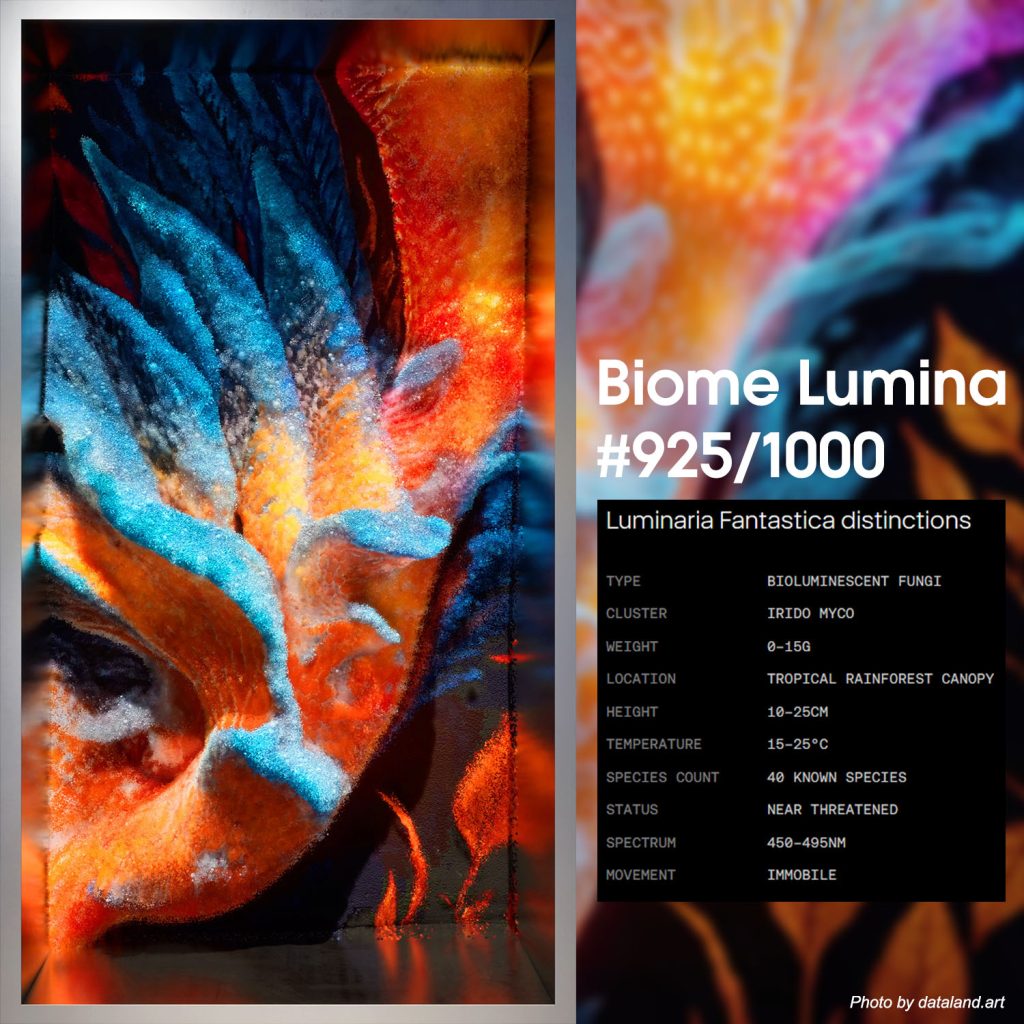
Concept and purpose of Dataland museum
Dataland combines online access and learning platforms, and acts as a public destination for large-scale, nature-focused data sets. One standout feature of the museum will be the Infinity Room, a floor-to-ceiling mirrored space using projectors and algorithms to create visual masterpieces. According to a Dataland blog, this new feature creates “machine hallucinations”, the dreamlike, surreal realities an AI can generate from datasets.
It adds: “Dataland incorporates AI-generated scents from our Large Nature Model, which was trained on half a million scent molecules, adding an olfactory dimension that connects data to our most primal sense of memory.” The Large Nature Model contains data from 16 rainforests, meaning it has a bank of audio and visual data, Time Out reported.
Artist residencies and collaboration with Google Arts & Culture
The museum will also host artist residencies, in partnership with Google Arts & Culture, to support up-and-coming creators. Over the course of six months, four selected artists will embark on projects that expand the creative horizons of human-machine collaborations. Meanwhile, Qualia will be one of the museum’s most intriguing features, a physical data painting series. This project will take real data to create pieces of art — a different one each day, with 365 pieces in total.
According to the museum, each piece is created on canvas at an immersive scale, translating data space into tangible, physical form. A bespoke fragrance will also be engineered from the biometric and ecological data behind your specific painting.
Refik Anadol, Dataland co-founder and artistic director, said: “Los Angeles is the perfect city to launch Dataland, a forward-thinking, revolutionary museum in support of the fields to which I have dedicated my career: art, science, technology and AI research. LA has long been a city that looks to the future in art, music, cinema, architecture, and more, and it feels natural to open Dataland here.”
Reference: First AI art museum opening in USA with data-made exhibits