





Are YouTube contents really cool? They are and more! (Part 2)
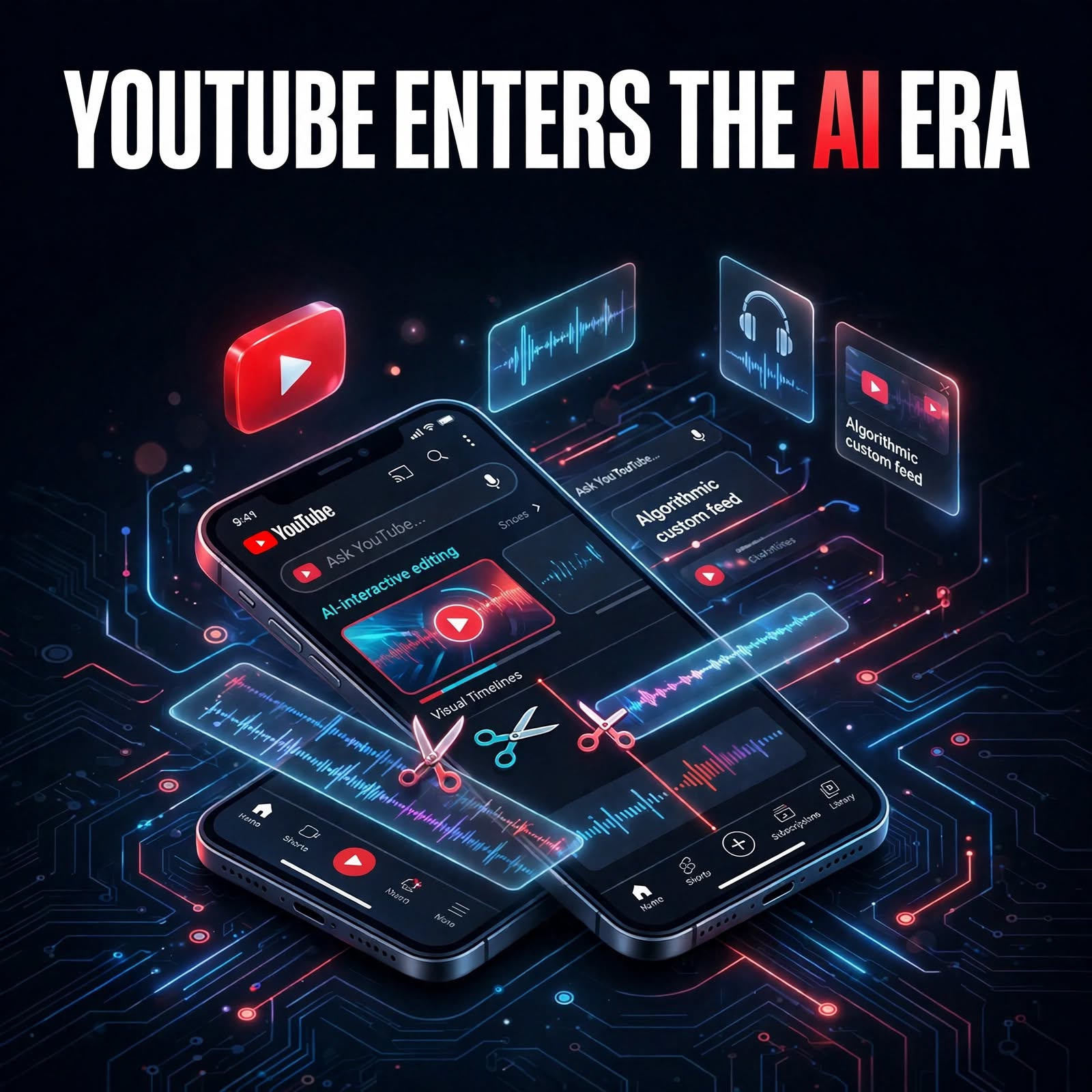
From beauty product tutorials to comedy shows and even to music and beyond, YouTube got more! Creators will upload their videos and users can consume and engage with them in numerous ways. For the 2nd part of this article, we’ll continue to probe statistics and facts about YouTube that might astound you. However, some cool contents also leave “lasting” impression or otherwise. So, whether you’re a YouTube user or not, this impressive business is worth paying attention to.

YouTube Music and Premium. There are over 100 million paid subscribers to YouTube Music and YouTube Premium.
The news. More than a quarter of news readers use YouTube to obtain news, opinions, and facts. Major players like BBC and Sky News use the platform to deliver live or pre-recorded coverage.
Captions. YouTube’s automatic captions are usually 60% to 70% accurate. Creators should speak as clearly as possible to help minimize errors.
Value of YouTube. In 2024, YouTube was valued at over $US30 billion. This global powerhouse is always growing and has a lot of influence.
Active users. As of 2024, 2.5 billion active monthly users called YouTube home. It delivers tailored search results and covers a broad range of topics ranging from comedy to health and wellness as well as much more.
First quarter of 2024. In the first quarter of 2024, YouTube generated $8.1 billion.
Live content engagement. YouTube has stood the test of time and today, 10 million users engage with live content on YouTube every day.
Most subscribed channel. The most subscribed channel on YouTube belongs to Mr. Beast. This content creator is known for putting on large stunts such as giving away a private island and being buried alive.
English. While it’s possible to use YouTube to learn and practice other languages, 66% of videos are in English.
Retail shoppers. More than 40% of retail shoppers have bought products they saw on YouTube.
Carbon neutral. YouTube is aiming to be carbon neutral by 2030 through carbon-free energy use, carbon offsetting, and making its buildings more sustainable.
Early this year (Jan. 12), tech giant Meta urged Australia to rethink its world-first social media ban for under-16s, while reporting that it has blocked more than 544,000 accounts under the new law. Australia has required big platforms, including Meta, TikTok, and YouTube, to stop underage users from holding accounts since the legislation came into force.
Billionaire Mark Zuckerberg’s Meta said it had removed 331,000 underage accounts from Instagram, 173,000 from Facebook, and 40,000 from Threads in the week to December 11. The company said it was committed to complying with the law.
“That said, we call on the Australian government to engage with industry constructively to find a better way forward, such as incentivizing all of industry to raise the standard in providing safe, privacy-preserving, age-appropriate experiences online, instead of blanket bans,” it said in a statement.
Meta renewed an earlier call for app stores to be required to verify people’s ages and get parental approval before under-16s can download an app. This was the only way to avoid a “whack-a-mole” race to stop teens migrating to new apps to avoid the ban, the company said.

Filipino youth need protection as well
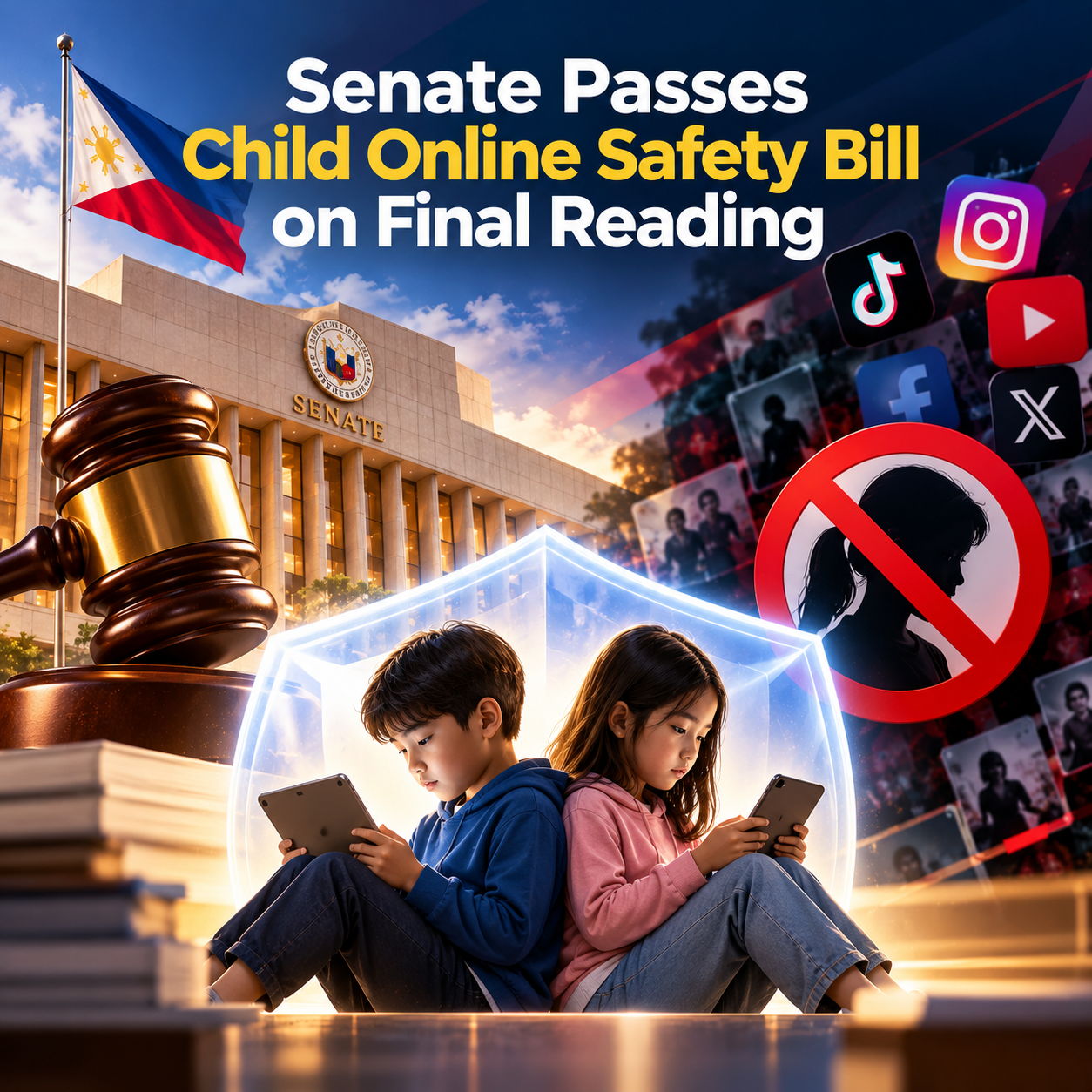
On July 3, 2025, Sen. Panfilo Lacson introduced a bill that seeks to regulate social media usage among minors to protect the mental health and well-being of Filipino youth. The proposed legislation aims to impose strict age restrictions and penalties for violations to address growing concerns about the detrimental effects of excessive social media use.
Citing alarming studies that highlight the correlation between social media use and rising mental health issues, including anxiety, depression, and social isolation, Lacson emphasized the urgency of the situation. One in three children ages 0 to 18 in the Philippines are internet users.
Under the bill, minors shall be prohibited from accessing or using social media services. In contrast, social media platforms shall take “reasonable steps and age verification measures to prevent age-restricted users from registering, accessing, or continuing to use their social media service.”
Reference: Meta urges Australia to change teen social media ban