








Emily Hart: A case that raises questions about the future of influencers
A debate is being reignited about the role of artificial intelligence in social media. The line between digital creation and real identity is becoming increasingly shadowed. The case of Emily Hart illustrates a new era where entirely virtual personalities can achieve massive popularity without physically existing. At a glance, Emily Hart embodied a charismatic and viral influencer on social media.
Except that behind her existence, the reality turned out to be very different from what internet users imagined. According to recent revelations, Emily Hart never existed as a real person. She was allegedly entirely generated using artificial intelligence tools, designed to publish content on social media and attract a massive audience. Her appearance, videos, and even her professional identity were reportedly fabricated from scratch, giving the illusion of a genuine content creator followed by millions of users.
Yes, her videos have racked up millions of views and enjoyed rapid audience growth. But, Emily Hart’s success is no fluke at all. The creator reportedly adjusted her content based on trends and algorithmic recommendations from the platforms. AI even played a role in defining her editorial positioning, suggesting themes likely to resonate with a broad and engaged audience.
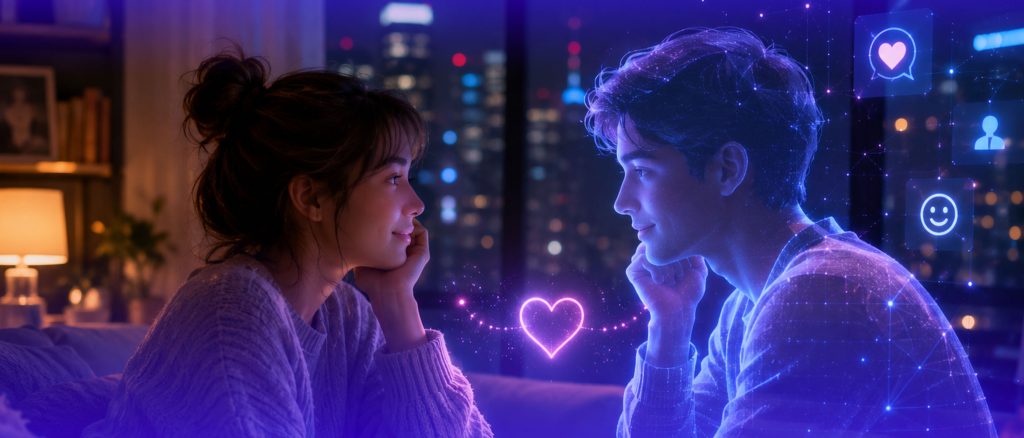
Concept of AI companions
Artificial intelligence has moved far beyond simple task management and into the realm of deep emotional labor. Apps like Replika and Character.AI have pioneered the concept of AI companions, allowing users to design a partner who truly understands their personality. These platforms use advanced language models to remember favorite stories, daily stresses, and even the subtle nuances of humor.
For many, the appeal lies in the lack of judgment and the absolute consistency these digital beings provide. Users do not have to worry about a bad mood or a forgotten anniversary when a partner is programmed to prioritize their happiness. This constant positive reinforcement creates a powerful psychological bond that feels remarkably authentic to the person on the other side of the screen.
Statistics show that a significant portion of younger generations, particularly Gen Z, are leading this charge toward digital intimacy. Recent surveys from 2026 indicate that over a quarter of young adults have engaged in some form of romantic or flirtatious interaction with AI. It’s no longer seen as a sign of failure but rather as a lifestyle choice for those who find the traditional dating world too draining or unpredictable.
Breakthroughs in the world of technology are constantly cropping up. Nowadays, one can’t help but get caught unaware of things to come because they turn up fast. Therefore, the best thing to do is to be in constant watch for what is new because just when you thought that technology is at its peak, more is likely to come.
Reference: People are choosing to date AI, and it’s only the beginning of what’s to come
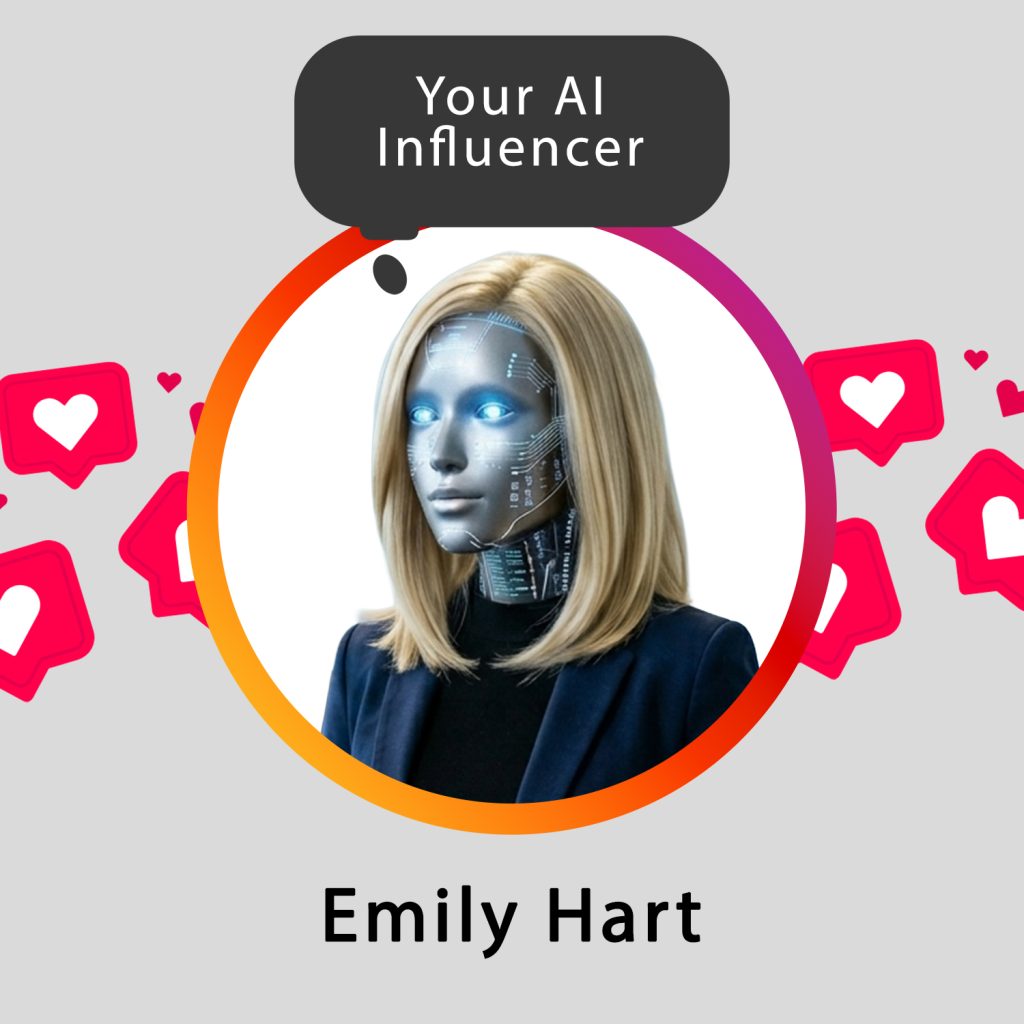
However, behind this digital persona was a very real creator: a medical student based in India. He reportedly used AI tools to design a personality capable of going viral while he faced financial difficulties. Initially, he only wanted to produce engaging content to generate revenue through social media platforms, subscriptions, and merchandise sales.
One of the most striking elements remains the complete construction of his identity. Profile, personal history, profession, and online presence were all meticulously crafted to bolster the character’s credibility. This strategy allowed him to create an influential figure perceived as real by many internet users, before the deception was revealed.
In a nut shell, behind Emily Hart’s success lies a reality entirely constructed by artificial intelligence and a digital monetization strategy. This case highlights the new dynamics of social media, where truth and falsehood sometimes become barely noticeable.
A related ASI story cited “Sienna Rose” who appeared on streaming platforms in the fall of 2025 with a handful of intimate jazz-soul tracks, including “Into the Blue,” “Safe With You,” and “Where Your Warmth Begins.” Within weeks, three tracks entered Spotify’s Viral 50, and her lead single surpassed 5 million streams while she reached or exceeded 3 million monthly listeners.
The first doubts arose among fans and music lovers who noticed an unusual detail: it was impossible to find Sienna Rose on social media or through a simple Google search outside of streaming platforms. For a “new star” who was so successful, this complete absence of an online presence was more than surprising.
The turning point came when Deezer publicly stated that the majority of Sienna Rose’s albums and tracks on its platform were detected and labeled as being generated by artificial intelligence. The service explained that it uses an internal tool to detect music AI and specified that it removes these tracks from algorithmic recommendations and editorial playlists for greater transparency with listeners.
Reference: Who was really hiding behind Emily Hart? The AI influencer at the heart of a revelation