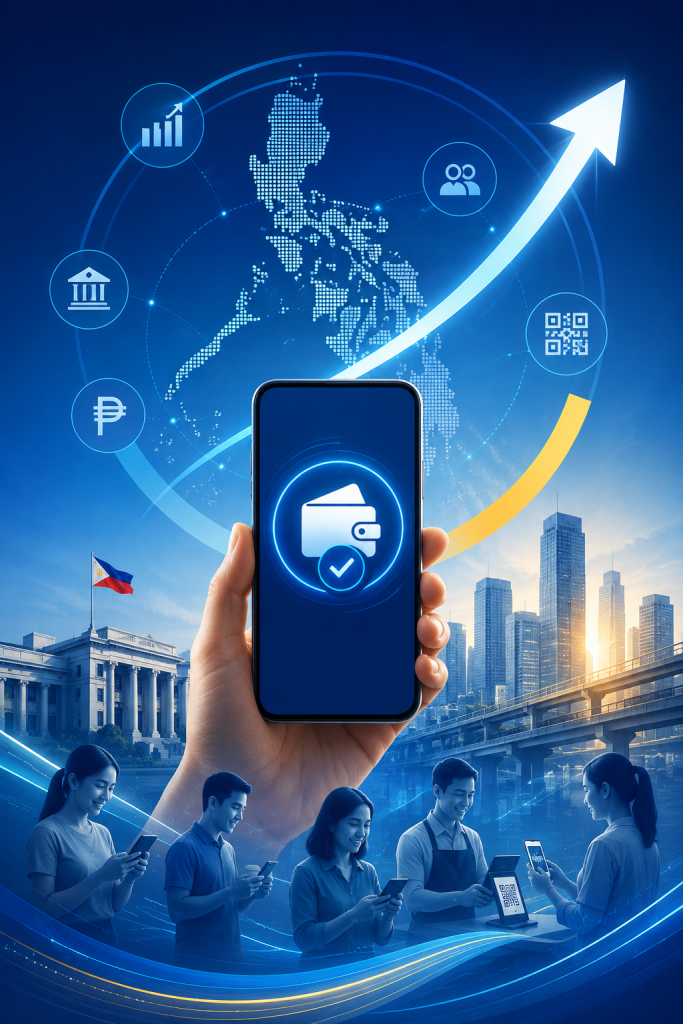









The way business is done has changed dramatically due to technology. Virtual transfers made possible by smartphone applications have replaced actual transfers made with cash and cheques. As early as 2000, the Bangko Sentral ng Pilipinas (BSP) allowed banks to engage in electronic banking to improve financial access.
The BSP has reported that digital payments accounted for 64.7% of total retail payments in the Philippines in 2025, hitting its target for the year. The BSP stated on Aug. 17 that the latest figure increased from the 57.4% share recorded a year earlier, as consumers and businesses continued to shift toward faster electronic transactions.
To boot, the latest figure falls within the 60% to 70% target set under the Philippine Development Plan for 2023-2028, the central bank said. Furthermore, data showed that digital payment accounts increased by 69.4%, and merchant locations or business outlets that accept digital payments rose by 36.3%, supporting the growth.
BSP Governor Eli Remolona Jr. said: “The BSP continues to work closely with industry and government partners to expand digital payments to benefit more Filipinos and the economy as a whole.” He added: “A lot of the growth is due to our insistence on interoperability, ensuring that a growing number of businesses and service providers are on one system.”
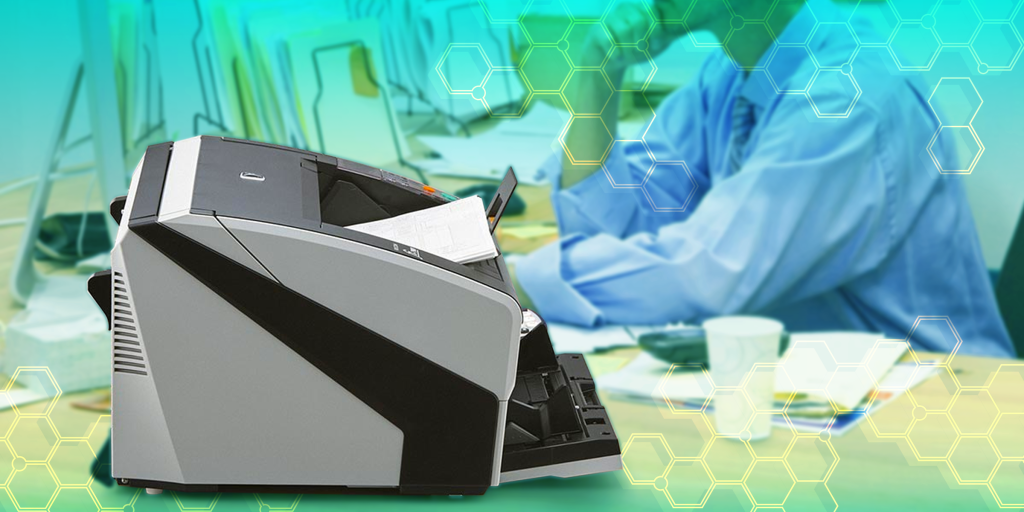
High-Resolution Scanning: Ricoh scanners capture images in high resolution, producing clear and detailed digital copies suitable for various document types.
Speed and Efficiency: These scanners offer fast scanning speeds to efficiently handle large document volumes, ultimately enhancing workplace productivity.
Optical Character Recognition (OCR): Integrated OCR technology allows for the conversion of scanned documents into editable and searchable text, simplifying document management and retrieval.
Multi-Feed Detection: Built-in sensors prevent misfeeds by detecting when multiple pages are pulled into the scanner at once, ensuring every page is accurately scanned.
Network Connectivity: Ricoh scanners offer options for network connectivity, enabling multiple users to access the scanner from different devices and facilitating convenient sharing and storage of scanned documents.
Automatic Document Feeder (ADF): The ADF feature allows for the scanning of multi-page documents without the need for manual page feeding, saving time and effort.
Double-Sided Scanning: Ricoh scanners are capable of simultaneous two-sided scanning, known as duplex scanning, essential for efficient document processing.
Image Enhancement Tools: Software features clean up and enhance the quality of scanned images, improving legibility by removing imperfections and adjusting alignment.
Security Features: Ricoh scanners are equipped with advanced security measures to protect sensitive information, including options for password protection, data encryption, and secure file transmission.
Compatibility and Integration: These scanners are compatible with various operating systems and seamlessly integrate with document management systems and cloud storage solutions.
Compact Design and Energy Efficiency: Designed to fit modern workspaces, Ricoh scanners operate with energy efficiency to reduce power consumption, supporting sustainable office environments.
Reference: Navigating the Scanning Pathway to Digital Transformation
Digital fund transfer transactions surge
Meanwhile, the BSP said digital fund transfer transactions have climbed between 10% and 50% since banks and e-wallet providers cut their transfer fees, offering what the central bank described as a potential “second wind” for financial inclusion after progress showed signs of plateauing.
BSP Deputy Governor Mamerto Tangonan said in July 2026, the central bank would conduct a more comprehensive assessment of transaction volumes by the end of the month. But he noted that preliminary reports from banks and other financial institutions point to a sharp increase in digital transfers following the fee cuts.
Tangonan also said banks had been signing up new customers after the central bank required supervised financial institutions to accept the national ID as sufficient proof of identity when opening deposit and transaction accounts.
“We noted that the growth of the digital payments year-on-year has more or less approached a plateau,” he said. “We need a second wind in order to propel the greater usage of digital payments, especially to those who are still non-users,” he added.
Under BSP Circular No. 1238, banks and other BSP-supervised financial institutions must ensure that fees for person-to-person digital fund transfers between accounts held at different institutions do not materially differ from those charged for transfers between accounts within the same institution.
References: Philippines hits digital payments goal – BSP