


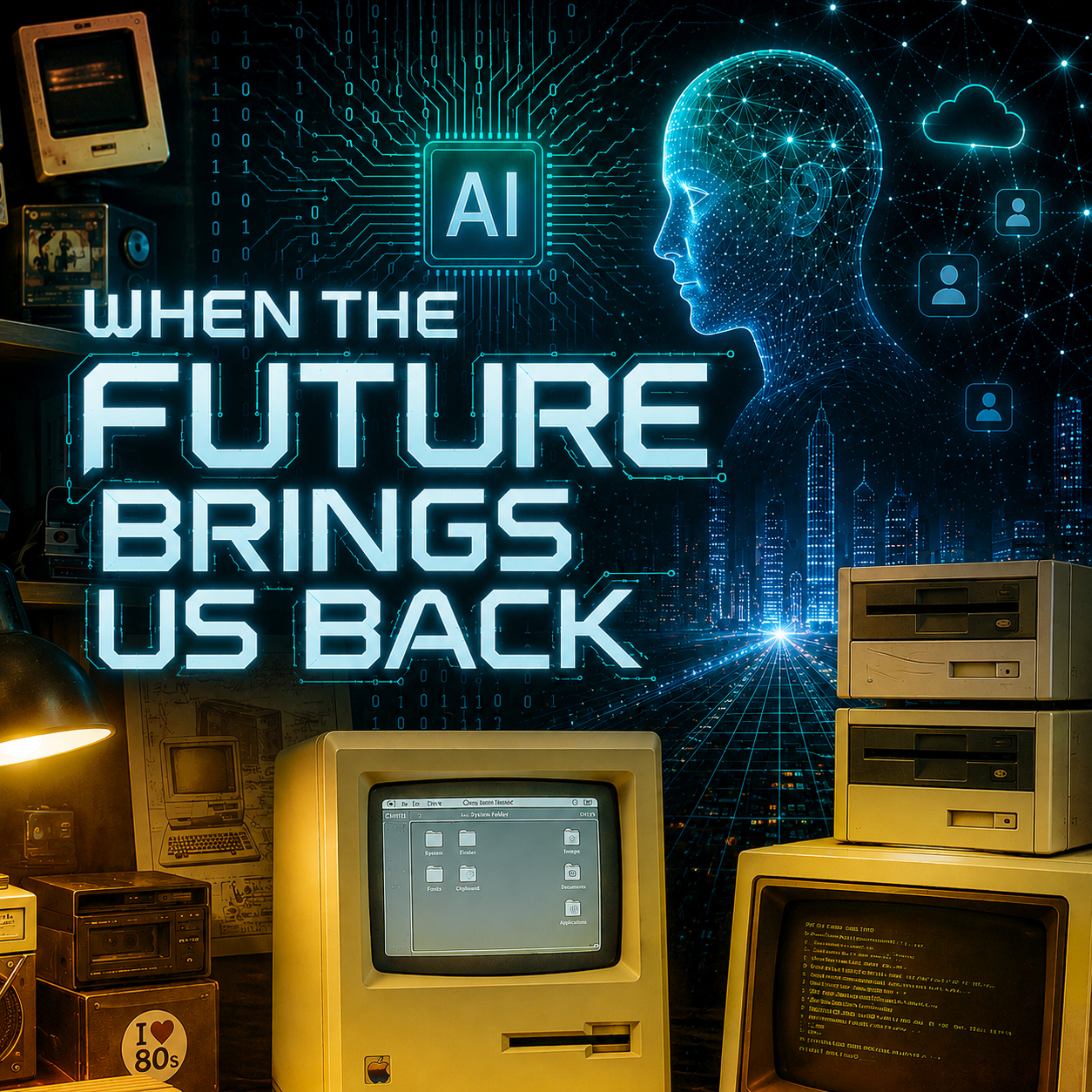



AI is reshaping tech, but IT buffs go back to collecting vintage computers
It’s funny how a lot of people are now reaching back toward gadgets with buttons, cords, replaceable batteries, and limits you can actually understand. For the 1990s and early 2000s, it’s driven by nostalgia, especially for anyone who remembers burning CDs, customizing MySpace pages, or waiting for a Game Boy battery light to betray them on a road trip.
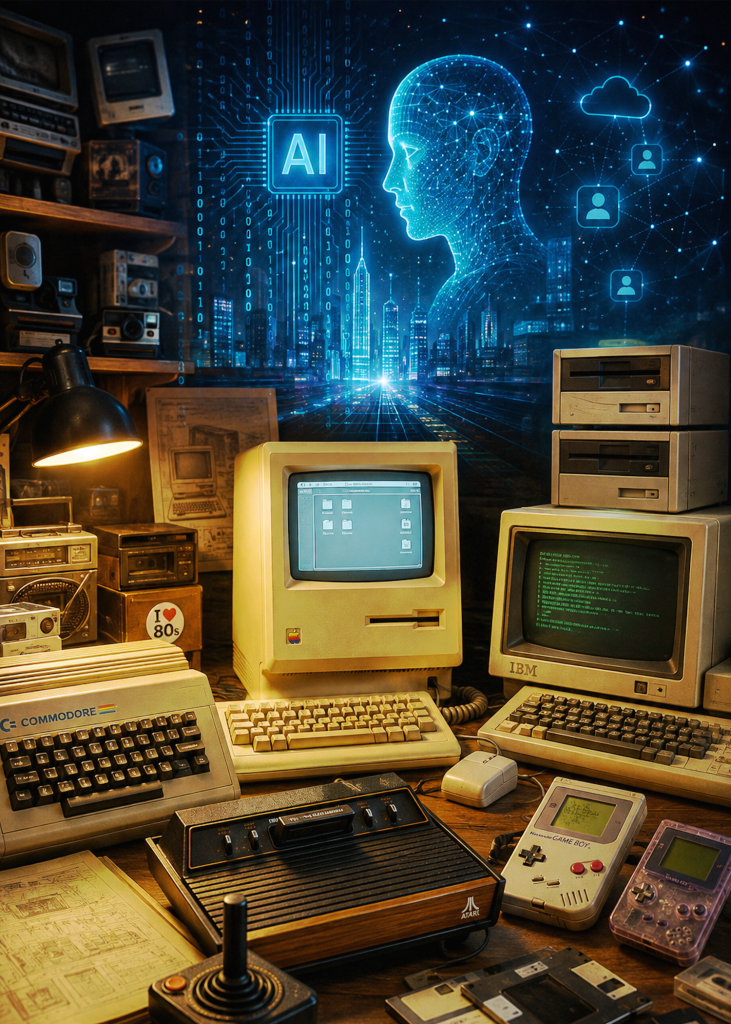
While Silicon Valley has since moved on to shaping the future of artificial intelligence, hardware enthusiasts are intent on saving the Atari, Commodore and IBM machines that are ancestors to today’s laptops, wearable devices and smartphones.
Despite the AI boom, others still delight in hearing the beeps and chimes of their childhood and firing up a low-def game of “Pong” or “Space Invaders.” People like Josh Dersch, a software engineer, see artifacts of computer history that are worthy of attention and respect. He actually owns more than 200 vintage computers and devices in his Seattle home.
There is a growing community of vintage computer collectors who are preserving the classic machines that helped launch the digital revolution. Erik Klein, Vintage Computer Federation president, said: “The enthusiasm for the history of computers and all the stuff around it is growing.” The federation organizes the annual festival at the Computer History Museum in Mountain View in the heart of Silicon Valley.
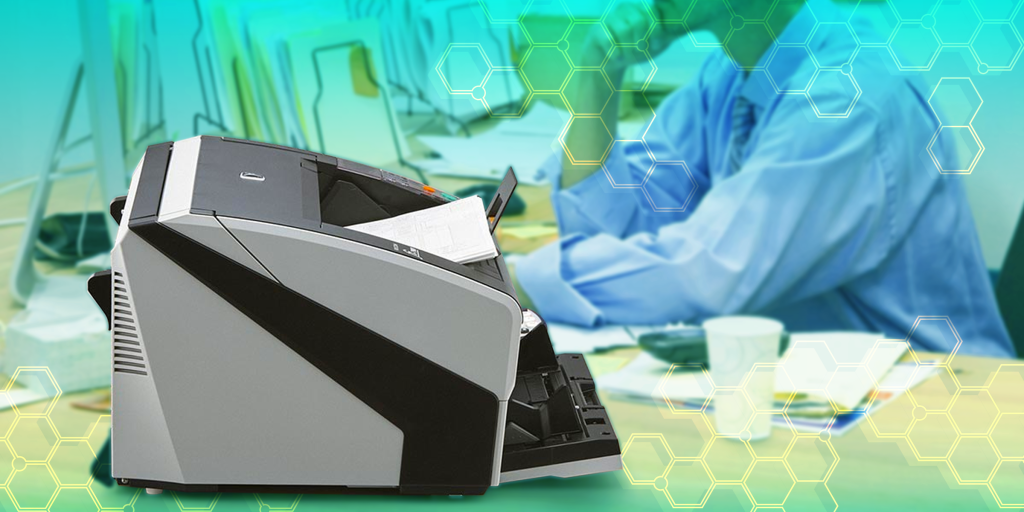
High-Resolution Scanning: Ricoh scanners capture images in high resolution, producing clear and detailed digital copies suitable for various document types.
Speed and Efficiency: These scanners offer fast scanning speeds to efficiently handle large document volumes, ultimately enhancing workplace productivity.
Optical Character Recognition (OCR): Integrated OCR technology allows for the conversion of scanned documents into editable and searchable text, simplifying document management and retrieval.
Multi-Feed Detection: Built-in sensors prevent misfeeds by detecting when multiple pages are pulled into the scanner at once, ensuring every page is accurately scanned.
Network Connectivity: Ricoh scanners offer options for network connectivity, enabling multiple users to access the scanner from different devices and facilitating convenient sharing and storage of scanned documents.
Automatic Document Feeder (ADF): The ADF feature allows for the scanning of multi-page documents without the need for manual page feeding, saving time and effort.
Double-Sided Scanning: Ricoh scanners are capable of simultaneous two-sided scanning, known as duplex scanning, essential for efficient document processing.
Image Enhancement Tools: Software features clean up and enhance the quality of scanned images, improving legibility by removing imperfections and adjusting alignment.
Security Features: Ricoh scanners are equipped with advanced security measures to protect sensitive information, including options for password protection, data encryption, and secure file transmission.
Compatibility and Integration: These scanners are compatible with various operating systems and seamlessly integrate with document management systems and cloud storage solutions.
Compact Design and Energy Efficiency: Designed to fit modern workspaces, Ricoh scanners operate with energy efficiency to reduce power consumption, supporting sustainable office environments.
Reference: Navigating the Scanning Pathway to Digital Transformation
Vintage computer festivals bring collectors together
This year more than 3,500 people attended the two-day Vintage Computer Festival in early August that celebrated the 50th anniversary of Apple, founded in 1976 in nearby Cupertino, Calif. It featured a panel with co-founders Steve Wozniak and Ronald Wayne reminiscing about the company’s early days as a scrappy start-up led by the late Steve Jobs.
Collectors exhibited the computer systems that they have painstakingly restored to their original working condition, allowing attendees to play with the computers built long before the internet, social media and AI transformed the world. More than a dozen such gatherings have since sprung up in cities across North America and South America.
Josh Dersch drove down from Seattle to showcase the pride of his collection: the Xerox Alto. He spent years restoring what’s considered “the grandfather of the modern computer,” developed at the Xerox Palo Alto Research Center in the 1970s. The Alto was one of the earliest computers to move beyond text on screen and use the mouse and graphical user interface — such as windows, icons and cursors.
Collectors events spread to Europe
Sellam Ismail is thrilled to see the collector community develop and mature since he organised the first festival in 1997, drawing about 150 hobbyists to a venue east of San Francisco. He ran the events for a decade. He later co-founded the Vintage Computer Federation, which runs festivals in the US and Canada. He’s helped other groups launch similar festivals in Argentina, Germany and Switzerland.
Reference: Vintage computer collecting grows as the AI boom reshapes tech