


February 16, 2026 Lenovo TruScale provides flexible, global, and industry-leading IT services For more than 40 years, Lenovo has challenged the norm and inspired the future. The tech giant’s formidable workforce are doing what they need to do to lead the way with smarter technology. Lenovo’s dedicated teams, innovative technology, and global reach and capabilities help the world transform more efficiently, more reliably and safely. As a Fortune Global 500 technology company, Lenovo innovates businesses through smarter solutions that leverage hardware, software, and services. Lenovo continues to raise the bar on innovation, with never-before-seen proofs of concept and inventive new form factors that chart toward a smarter, more sustainable future. The success of the business relies on your vision as an IT leader. That means thinking bigger. More holistically. More strategically. But the complexities of driving growth can stand in your way. Lenovo TruScale as a Service gives you a clear path to progress. Give ChatGPT a job instead of a role in your heart If you want ChatGPT to be helpful, give it a job instead of a role in your heart. Use it to draft a tough message, practice a difficult conversation, or organize your thoughts before you speak to someone who matters. You’ll still get the relief of clarity, but you won’t confuse it with closeness. You should also set boundaries the way you would with any powerful technology. Decide when you’ll use it, what you won’t share, and when you’ll stop and go talk to an actual person. Keep it in the lane where it excels, and it’ll feel less like a “someone” and more like a very capable assistant that doesn’t need to be loved back. Well, in case you have a need to feel loved on Valentine’s Day from ChatGPT, this is a friendly reminder of the nature of your “lover.” ChatGPT, or Chat Generative Pre-Trained Transformer, can expertly generate realistic, human-like text about almost anything. English essays, news articles, computer code, and songs are all examples of what this bot can produce, and all from a simple prompt. The bot uses a dialogue format in which users can provide both simple and complex instructions, to which ChatGPT will provide a detailed response. It can also answer follow-up questions even admit when it made a mistake. All these tasks actually make the bot perfect for customer service. Reference: Please stop trying to have a relationship with ChatGPT The model’s procurement options are becoming increasingly popular as IT leaders navigate their journey towards realizing their vision. As-a-Service options deliver scalability in ways that traditional models simply can’t. They help streamline the refresh of aging technology, and expand capabilities without the need for significant capital investments. Lenovo TruScale XaaS is your set of flexible IT services that makes everything easier. Streamline IT procurement, simplify infrastructure and device management, and pay only for what you use – so your business is free to grow and go anywhere. It’s the unified solution that gives you simplified access to: The industry’s broadest portfolio – from pocket to cloud – all delivered as a service A single-contract framework for full visibility and accountability The global scale to rapidly and securely build teams from anywhere Flexible fixed and metered pay-as-you-go models with minimal upfront cost The growth-driving combination of hardware, software, infrastructure, and solutions – all from one single provider with one point of accountability. IT leaders rely on technology vendors to increase organizational agility, simplify fleet deployment and management, and optimize costs. Partners who offer comprehensive solutions with one vendor convenience can add significant value. With certifications and coverage in 100+ markets, Lenovo offers a centralized engagement model that supports complex global deals. Reference: lenovo-truscale_brochure_ww_enpdf-3.pdf Together, HP, DICT and AAP shared a unified vision. AI adoption is not just about technology. It is about empowering people. With AI, people will work smarter, better and faster. When done right, it won’t just level up individual skills but the entire system as well. Reference: Manila Bulletin – The power of we Reference: Human washing machine that can clean head to toe goes on sale for £290,000 – would you give it a go?
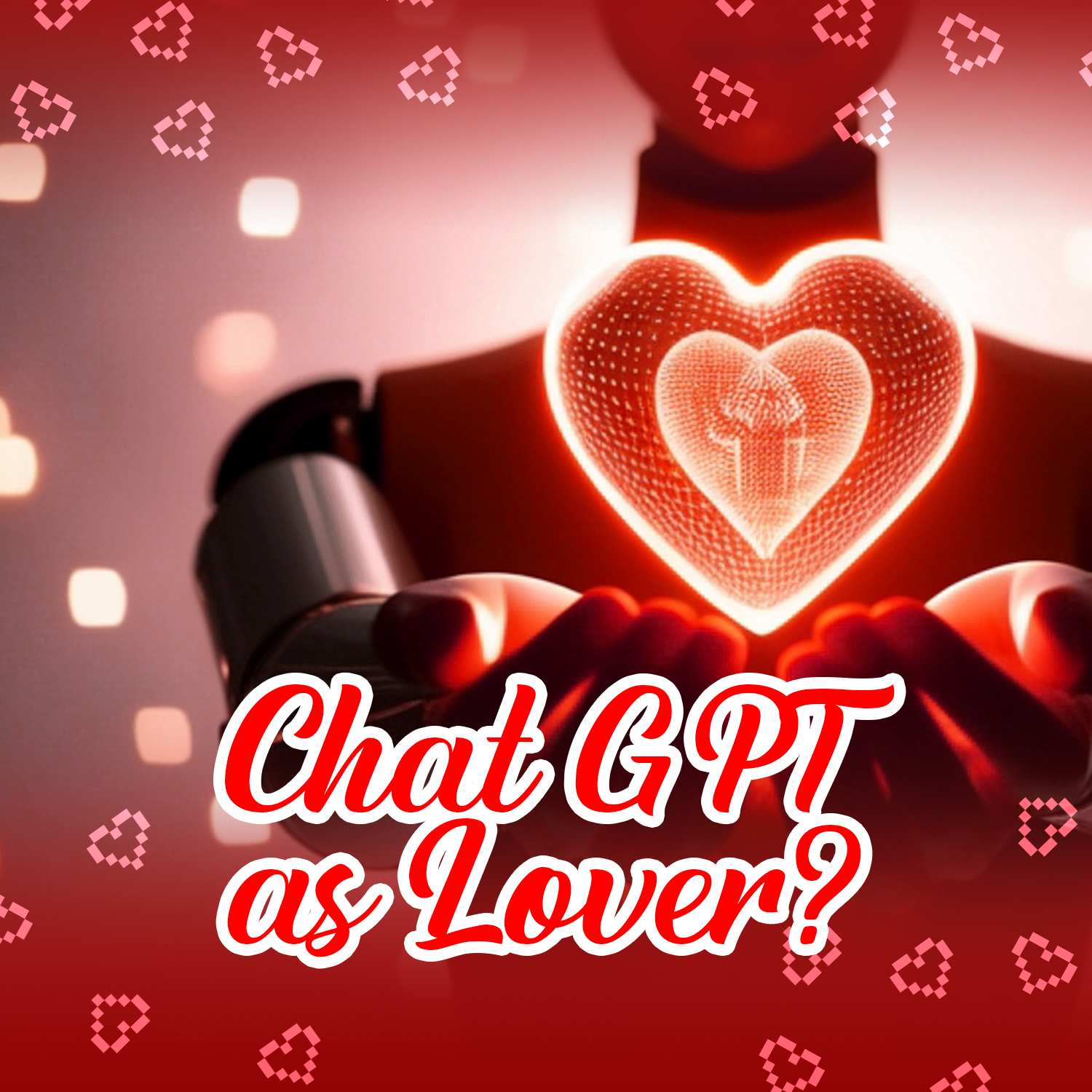
ChatGPT as lover? Maybe, if you can settle with ‘so near yet so far romance’
February 13, 2026 ChatGPT as lover? Maybe, if you can settle with ‘so near yet so far romance’ A relationship requires two sides with inner lives that can meet in the middle. ChatGPT doesn’t have feelings to protect, boundaries to negotiate, or preferences that cost it anything. You can’t build mutual care with something that can’t care, even if it can imitate the language of care flawlessly. When you talk to ChatGPT, you’re interacting with a system designed to respond convincingly, not a person who fell head over heels for you. It can sound warm because warmth is a style it can reproduce on command. But the thing is, that’s not deception so much as design doing its job a little too well. It also can’t “know” you in the way you mean when you say that phrase about a partner or a close friend. It recognizes patterns in what you type and continues the thread in a plausible direction. If you’re leaning on it as proof that you’re understood, you’re really leaning on a very advanced reflection of your own words. The difference between emotional comfort and emotional support It can be genuinely soothing to vent to a tool that responds quickly and politely. If you’re overwhelmed, talking things through in a structured way can even calm your nervous system. But that’s just another way it tricks you; the bot isn’t your confidant—it’s a coping aid that happens to “speak” like a human. Interestingly, that very humanness drives some people away from real-life connections. For some, ChatGPT is the “always available” friend, quietly training them to expect constant responsiveness. They might get impatient with normal pauses, normal misunderstandings, and normal human limits. And the problem starts when you let that comfort replace the messier kind that comes from real people. Humans disappoint you, misread you, or take a while to answer because they have lives. That friction is annoying, sure, but it’s also where empathy becomes real instead of merely well-written. Give ChatGPT a job instead of a role in your heart If you want ChatGPT to be helpful, give it a job instead of a role in your heart. Use it to draft a tough message, practice a difficult conversation, or organize your thoughts before you speak to someone who matters. You’ll still get the relief of clarity, but you won’t confuse it with closeness. You should also set boundaries the way you would with any powerful technology. Decide when you’ll use it, what you won’t share, and when you’ll stop and go talk to an actual person. Keep it in the lane where it excels, and it’ll feel less like a “someone” and more like a very capable assistant that doesn’t need to be loved back. Well, in case you have a need to feel loved on Valentine’s Day from ChatGPT, this is a friendly reminder of the nature of your “lover.” ChatGPT, or Chat Generative Pre-Trained Transformer, can expertly generate realistic, human-like text about almost anything. English essays, news articles, computer code, and songs are all examples of what this bot can produce, and all from a simple prompt. The bot uses a dialogue format in which users can provide both simple and complex instructions, to which ChatGPT will provide a detailed response. It can also answer follow-up questions even admit when it made a mistake. All these tasks actually make the bot perfect for customer service. Reference: Please stop trying to have a relationship with ChatGPT But are Filipinos ready for AI? Filipino workers are steadily embracing artificial intelligence, and the Philippines is making significant strides towards an AI-ready future. Bayanihan remains one of the most enduring traits in Filipino culture. Values like selflessness, solidarity, trust and cooperation embody what a true spirit of bayanihan. Emmy Lou Versoza-Delfin, director of DICT’s ICT Industry Development Bureau (IIDB), shared: “This is as much about inclusion as it is about innovation. It’s about making sure we all grow and adapt together—wala tayong iwanan. It is a powerful reminder that when technology blends with culture, everyone can benefit and grow together.” HP Philippines Managing Director Ida Evina Ong-Co reaffirmed HP’s commitment to ensuring that the AI revolution benefits all Filipinos. She emphasized the company’s focus on delivering technology that is not only powerful and secure but also accessible so everyone can thrive. Although many fear that AI could replace human workers, Idris Atakli, HP Consultant and AI Product Strategist, dispelled this myth, emphasizing how AI can streamline tasks and enhance productivity through solutions like HP’s AI Companion. According to HP’s Work Relationship Index, 76% of Filipino knowledge workers believe AI will make their jobs easier, while 75% say it will make their work more interesting. Michelle Alarcon, president of AAP, stressed that AI will amplify our ability to think, solve problems, collaborate, and lead. She urges: “Everyone should be looking at how to leverage AI. Right now, we’re all on relatively equal footing, so it’s the perfect time to start preparing—organize your data, refine your processes—so that when you begin using AI, your systems are ready to integrate and fully benefit from it.” Together, HP, DICT and AAP shared a unified vision. AI adoption is not just about technology. It is about empowering people. With AI, people will work smarter, better and faster. When done right, it won’t just level up individual skills but the entire system as well. Reference: Manila Bulletin – The power of we Reference: Human washing machine that can clean head to toe goes on sale for £290,000 – would you give it a go?
Government upbeat digital upgrade can grow PH economy by 1.1%
February 11, 2026 Government upbeat digital upgrade can grow PH economy by 1.1% At the Philippine Telecom Summit 2026 on Feb. 5, Information Secretary Henry Aguda said his agency is keen on simplifying the procedures for new telcos to enter and existing players to expand. According to the Department of Information and Communications Technology (DICT) which Mr. Aguda leads, the Philippines can grow its economy by up to 1.1% more if certain factors come into play. Based on DICT estimates, the economy, measured as gross domestic product (GDP), can reach such level if the Philippines achieves Malaysia’s level of telco framework and if the public and private sectors work together in resolving the backlog in connectivity infrastructure. Secretary Aguda said: “Studies show if we catch up even to Malaysia’s level of telecom infrastructure, we could add up to 1.1% to our GDP. Infrastructure sharing alone means lower costs, faster expansion and a wider coverage.” He said the DICT is urging the private sector to invest in more cellular towers as he underscored the importance of building cell sites in all corners of the archipelago to support digital adoption. He added: “More digital access could encourage small and medium enterprises (SMEs) to scale up, a win for an economy where SMEs comprise 99.5% of businesses.” Likewise, Aguda said Filipinos with no internet access are deprived of job and learning opportunities. They are also denied access to essential services online like e-commerce and telemedicine. Under Aguda’s watch, the DICT aims to place the Philippines on top of Southeast Asia in terms of internet speed by 2028. Currently, the country is in the middle of the pack in the 11 countries in the region. Meanwhile, speaking at the same event, President Ferdinand R. Marcos Jr. said the government is pushing for faster reforms to make the country’s internet services more affordable and reliable. In his speech, Marcos cited challenges faced by the information and communications sector, especially in the coastal communities, mountainous regions, and smaller islands. “Delays in permits, right-of-way restrictions, fiber cuts, and power interruptions further widen these gaps. These affect real lives. They limit access to education, they constrain economic opportunity, and slow national progress. Ito ang dahilan kung bakit mahalaga ang ating pagtutulungan,” Marcos said. “Kailangan magkaisa ang pamahalaan, ang pribadong sektor, at mga lokal na pamayanan—sapagkat walang iisang sektor lamang ang kayang harapin ang mga hamong ito. Kumilos tayo na may isang hangarin: ang maghatid ng pag-asa, ng ginhawa, at pagkakataon sa bawat Pilipino,” he continued. (The government, the private sector, and local communities must unite—because no single sector can face these challenges alone. Let us act with one purpose: to deliver hope, relief, and opportunity to every Filipino.) Marcos noted that part of the government’s reforms is the enactment of the Konektadong Pinoy Act, which he said removed long-standing barriers that slowed progress and limited competition. He added: “The law mandates infrastructure sharing and co-location among providers—ending wasteful duplication, lowering deployment costs, and ensuring that every single peso spent delivers real value to our public.” Reference: DICT: Digital upgrade to expand GDP by 1.1 percent But are Filipinos ready for AI? Filipino workers are steadily embracing artificial intelligence, and the Philippines is making significant strides towards an AI-ready future. Bayanihan remains one of the most enduring traits in Filipino culture. Values like selflessness, solidarity, trust and cooperation embody what a true spirit of bayanihan. Emmy Lou Versoza-Delfin, director of DICT’s ICT Industry Development Bureau (IIDB), shared: “This is as much about inclusion as it is about innovation. It’s about making sure we all grow and adapt together—wala tayong iwanan. It is a powerful reminder that when technology blends with culture, everyone can benefit and grow together.” HP Philippines Managing Director Ida Evina Ong-Co reaffirmed HP’s commitment to ensuring that the AI revolution benefits all Filipinos. She emphasized the company’s focus on delivering technology that is not only powerful and secure but also accessible so everyone can thrive. Although many fear that AI could replace human workers, Idris Atakli, HP Consultant and AI Product Strategist, dispelled this myth, emphasizing how AI can streamline tasks and enhance productivity through solutions like HP’s AI Companion. According to HP’s Work Relationship Index, 76% of Filipino knowledge workers believe AI will make their jobs easier, while 75% say it will make their work more interesting. Michelle Alarcon, president of AAP, stressed that AI will amplify our ability to think, solve problems, collaborate, and lead. She urges: “Everyone should be looking at how to leverage AI. Right now, we’re all on relatively equal footing, so it’s the perfect time to start preparing—organize your data, refine your processes—so that when you begin using AI, your systems are ready to integrate and fully benefit from it.” Together, HP, DICT and AAP shared a unified vision. AI adoption is not just about technology. It is about empowering people. With AI, people will work smarter, better and faster. When done right, it won’t just level up individual skills but the entire system as well. Reference: Manila Bulletin – The power of we Reference: Human washing machine that can clean head to toe goes on sale for £290,000 – would you give it a go?

Rising memory chip prices seen slowing global demand for smartphones, PCs
February 9, 2026 Rising memory chip prices seen slowing global demand for smartphones, PCs US tech firms such as OpenAI, Alphabet-owned Google and Microsoft have absorbed much of the world’s memory chip supply due to rapid development in artificial intelligence (AI) infrastructure. This has pushed up prices as manufacturers prioritize components for higher-margin data centers over consumer devices. However, rising memory chip prices is likely to affect the global demand for electronic devices as companies increase prices to offset surging chip costs. World demand for smartphones, personal computers and gaming consoles is expected to shrink this year as companies from Britain’s Raspberry Pi to HP Inc. raise sticker prices to compensate for the rocketing memory chip costs. Samsung, SK Hynix and Micron, the world’s three largest producers of memory chips, have said in recent months that they were struggling to keep up with demand as they reported rosy quarterly earnings on the back of surging prices for their semiconductors. Incidentally in Dec. 2025, Micron announced its exit from the consumer market. The company will retire memory products sold under the Crucial brand, which includes NVMe SSDs and external storage, as well as DDR4 and DDR5 RAM. The move comes as a shocker as it is poised to worsen the ongoing memory shortage in the market. Micron’s exit will leave a gaping hole in the consumer memory market, depriving PC builders of the trusted Crucial brand. It also remains unclear if any company can fill the gap when analysts are warning that the memory shortage could last for years. Samsung and SK Hynix are also reportedly prioritizing profitability over risky expansions. Research firms IDC and Counterpoint both now expect global smartphone sales to shrink at least 2 percent this year, in a sharp reversal from their growth outlook a few months ago. That would mark the first annual decline in shipments since 2023. The PC market is expected to shrink at least 4.9% in 2026, IDC estimated, after an 8.1-% growth last year. Meanwhile, console sales are expected to fall 4.4% in the current year after an estimated growth of 5.8% in 2025, according to TrendForce. Tough choices for manufacturers While several firms have already raised prices, industry heavyweights Apple and Dell face a tough choice: take on the costs and sacrifice margins or pass them onto consumers at the risk of stifling demand. Emarketer analyst Jacob Bourne said: “Manufacturers might absorb some costs but given the scale of the shortage, it is certainly going to show up as higher prices for consumers.” He added: “It is going to result in more tepid consumer device sales in 2026. It will be a challenge for these companies that are trying to sell products during a time of broader inflation.” Reference: Surging memory chip prices dim outlook for consumer electronics makers One intelligence everywhere Lenovo designed Qira as a single intelligence that follows users across PCs, tablets, smartphones, and wearables. It maintains continuity as people shift screens, environments, and tasks. The system operates through three core attributes: presence, actions, and perception. Presence focuses on accessibility and consistency. Qira integrates directly into the operating system and offers multiple entry points. Users can invoke it by saying “Hey, Qira,” pressing a dedicated key, or tapping a persistent interface element. It can also remain silent until needed. Actions define how Qira gets work done. The system can act on a user’s behalf using device capabilities and local AI, including offline processing. It coordinates actions across apps and devices without forcing users to manage each step manually. Perception underpins personalization. Qira builds a fused knowledge base using user-selected interactions, memories, and documents. Cross-device sensing allows it to understand context and continuity over time, while privacy and consent remain central. Reference: Lenovo debuts world’s first ambient, cross-device AI system at CES 2026 But are Filipinos ready for AI? Filipino workers are steadily embracing artificial intelligence, and the Philippines is making significant strides towards an AI-ready future. Bayanihan remains one of the most enduring traits in Filipino culture. Values like selflessness, solidarity, trust and cooperation embody what a true spirit of bayanihan. Emmy Lou Versoza-Delfin, director of DICT’s ICT Industry Development Bureau (IIDB), shared: “This is as much about inclusion as it is about innovation. It’s about making sure we all grow and adapt together—wala tayong iwanan. It is a powerful reminder that when technology blends with culture, everyone can benefit and grow together.” HP Philippines Managing Director Ida Evina Ong-Co reaffirmed HP’s commitment to ensuring that the AI revolution benefits all Filipinos. She emphasized the company’s focus on delivering technology that is not only powerful and secure but also accessible so everyone can thrive. Although many fear that AI could replace human workers, Idris Atakli, HP Consultant and AI Product Strategist, dispelled this myth, emphasizing how AI can streamline tasks and enhance productivity through solutions like HP’s AI Companion. According to HP’s Work Relationship Index, 76% of Filipino knowledge workers believe AI will make their jobs easier, while 75% say it will make their work more interesting. Michelle Alarcon, president of AAP, stressed that AI will amplify our ability to think, solve problems, collaborate, and lead. She urges: “Everyone should be looking at how to leverage AI. Right now, we’re all on relatively equal footing, so it’s the perfect time to start preparing—organize your data, refine your processes—so that when you begin using AI, your systems are ready to integrate and fully benefit from it.” Together, HP, DICT and AAP shared a unified vision. AI adoption is not just about technology. It is about empowering people. With AI, people will work smarter, better and faster. When done right, it won’t just level up individual skills but the entire system as well. Reference: Manila Bulletin – The power of we Reference: Human washing machine that can clean head to toe goes on sale for £290,000 – would you give it a go?

ASUS ventures into robotics and smart glasses, leaves smartphones behind
February 6, 2026 ASUS ventures into robotics and smart glasses, leaves smartphones behind Established in 1989, ASUS is a multinational company known for the world’s best motherboards and high-quality personal computers, monitors, graphics cards, routers and other technology solutions. Today, ASUS is designing and building next-generation smart technologies to provide incredible experiences that enhance the lives of people everywhere. ASUS proudly sponsors programs and initiatives that benefit communities around the world. These efforts represent another way that ASUS honors their brand promise as they strive to provide a joyful digital life to people everywhere. As a global organization, the company is focused on its primary goal of becoming the world’s most admired innovative leading technology enterprise in a new digital era. ASUS has confirmed it is exiting the smartphone market. ASUS Chairman Jonney Shih announced that the company will no longer release new Zenfone or ROG Phone models. Current devices will still get support, but the brand is moving its focus to AI hardware. The company’s R&D efforts are now directed at physical AI products, including robotics and smart glasses. ASUS plans to build on its experience with commercial PCs and Qualcomm platforms to develop new AI‑driven devices. ASUS reported strong financial results in 2025. Revenue reached NT$738.91 billion, up 26.1% year‑on‑year. Its AI server business doubled in growth, hitting targets ahead of schedule. Still, supply chain challenges remain, with memory shortages and rising component prices affecting non‑AI products. ASUS has signaled possible price increases while focusing on efficiency and resilience. Zenfone struggled to stand out in ecosystem integration and camera performance. ROG Phone found a niche among gamers but faced high production costs. Analysts say the pivot to AI hardware is risky but could be transformative, positioning ASUS to shape the next decade of devices. At the Consumer Electronics Show (CES) 2026, ASUS has unveiled its latest AI PC lineup, bringing new laptops, desktops, and accessories under its Copilot+ ecosystem. The company is putting AI front and center, with features designed to boost productivity, creativity, and cross‑device use. Among the lineup is the ProArt GoPro Edition PX13 is a 13‑inch convertible co‑branded with GoPro. It comes with GoPro Cloud integration, a GoPro Hotkey for quick access, and the StoryCube AI app for organizing and editing 360-degree video. Powered by an AMD Ryzen AI Max+ 395 processor with a 50 TOPS NPU, it supports up to 128GB of memory and a 3K ASUS Lumina OLED touchscreen. ASUS’s exit underscores how shifting consumer demand and market pressures are reshaping the industry. The company is betting that AI hardware will drive its future growth, leaving smartphones behind. Techies recently gathered in Las Vegas for the Consumer Electronics Show (CES) where the world’s greatest innovators from around the globe came together. From game-changing AI and robotics to smart kitchen appliances and next-gen cleaning tech, these groundbreaking innovations are what consumers will soon see everywhere. Reference: ASUS confirms smartphone exit, bets on robotics and smart glasses But are Filipinos ready for AI? Filipino workers are steadily embracing artificial intelligence, and the Philippines is making significant strides towards an AI-ready future. Bayanihan remains one of the most enduring traits in Filipino culture. Values like selflessness, solidarity, trust and cooperation embody what a true spirit of bayanihan. Emmy Lou Versoza-Delfin, director of DICT’s ICT Industry Development Bureau (IIDB), shared: “This is as much about inclusion as it is about innovation. It’s about making sure we all grow and adapt together—wala tayong iwanan. It is a powerful reminder that when technology blends with culture, everyone can benefit and grow together.” HP Philippines Managing Director Ida Evina Ong-Co reaffirmed HP’s commitment to ensuring that the AI revolution benefits all Filipinos. She emphasized the company’s focus on delivering technology that is not only powerful and secure but also accessible so everyone can thrive. Although many fear that AI could replace human workers, Idris Atakli, HP Consultant and AI Product Strategist, dispelled this myth, emphasizing how AI can streamline tasks and enhance productivity through solutions like HP’s AI Companion. According to HP’s Work Relationship Index, 76% of Filipino knowledge workers believe AI will make their jobs easier, while 75% say it will make their work more interesting. Michelle Alarcon, president of AAP, stressed that AI will amplify our ability to think, solve problems, collaborate, and lead. She urges: “Everyone should be looking at how to leverage AI. Right now, we’re all on relatively equal footing, so it’s the perfect time to start preparing—organize your data, refine your processes—so that when you begin using AI, your systems are ready to integrate and fully benefit from it.” Together, HP, DICT and AAP shared a unified vision. AI adoption is not just about technology. It is about empowering people. With AI, people will work smarter, better and faster. When done right, it won’t just level up individual skills but the entire system as well. Reference: Manila Bulletin – The power of we Reference: Human washing machine that can clean head to toe goes on sale for £290,000 – would you give it a go?

DICT eyes new policy for social media user verification in the country
February 4, 2026 DICT eyes new policy for social media user verification in the country The government is making fairly commendable strides when it comes to adopting modern technology in providing services to the citizens. The series of seminars conducted by Advance Solutions Inc (ASI) on different occasions was aimed at updating government agencies on the current technology trends. On Sept. 5, 2025, President Ferdinand Marcos Jr. signed into law a measure institutionalizing the government’s digital integration for a more regulated and secure information and communications system. The law is known as Republic Act 12254, or the E-Governance Act. The new law likewise covers all back-end government operations between and across agencies and government-to-government transactions. It also identifies the Department of Information and Communications Technology (DICT) as the lead implementing body and administrator of the law. One intelligence everywhere Lenovo designed Qira as a single intelligence that follows users across PCs, tablets, smartphones, and wearables. It maintains continuity as people shift screens, environments, and tasks. The system operates through three core attributes: presence, actions, and perception. Presence focuses on accessibility and consistency. Qira integrates directly into the operating system and offers multiple entry points. Users can invoke it by saying “Hey, Qira,” pressing a dedicated key, or tapping a persistent interface element. It can also remain silent until needed. Actions define how Qira gets work done. The system can act on a user’s behalf using device capabilities and local AI, including offline processing. It coordinates actions across apps and devices without forcing users to manage each step manually. Perception underpins personalization. Qira builds a fused knowledge base using user-selected interactions, memories, and documents. Cross-device sensing allows it to understand context and continuity over time, while privacy and consent remain central. Reference: Lenovo debuts world’s first ambient, cross-device AI system at CES 2026 Meanwhile, the DICT is looking at a new policy that would require all social media users in the Philippines to be verified. The move is meant to improve accountability online and make it easier to track offenders and cybercriminals. According to DICT, the proposal is now under review by its policy and legal team. A department order could be released as early as next week. The announcement was made during the Globe–Starlink partnership event in Taguig City. The agency explained that verification could help reduce trolls and automated accounts, often called AI bots, which spread misinformation and abuse. It also comes after issues with Grok, an AI chatbot from xAI, that generated explicit, non-consensual images. DICT added that social media platforms find it difficult to self-regulate since they profit from traffic. Platforms have expressed support for the idea but are waiting for clear government direction. If implemented, the measure could change how Filipinos use social media. While it can curb trolls, it also raises questions about privacy, free speech, and user experience. In a related ASI story, Cagayan de Oro City 2nd District Representative Rufus Rodriguez filed a bill in June 2025 criminalizing the spread of false information, especially those that threaten public order or national security. Rodriguez recognized that in filing the House Bill No. 11506, the right to freedom of speech, press, and expression is protected as it was enshrined under the Section 4, Article III of the 1987 Constitution. However, Rodriguez noted that the rights are not absolute under a Supreme Court ruling, emphasizing that “[c]ertain categories of speech – such as obscenity, defamation, incitement to violence, false advertising, and speech that poses a clear and present danger to public order or national security – are not entitled to constitutional protection.” The lawmaker underscored that as the bill criminalizes false information that puts public order and national security at risk, it is crafted to “withstand constitutional scrutiny by defining fake news [precisely] requiring proof of both malicious intent and actual or probable public harm.” Reference: DICT mulls social media user verification in the Philippines – Technobaboy Reference: Human washing machine that can clean head to toe goes on sale for £290,000 – would you give it a go?

Lenovo unveils a new form of cross-device intelligence system at CES 2026
February 2, 2026 Lenovo unveils a new form of cross-device intelligence system at CES 2026 In a tech update seminar organized by Advance Solutions Inc. (ASI) in June 2025, the speaker from Lenovo centered his discussion on IDG – intelligent/smart devices and solutions. He listed down Lenovo’s 2025 portfolio strategic focus area: AI (Lead AI PC Transformation); Modernize Designs (New Disruptive Designs); Employee Experience (Seamless Solutions); and Lead in ESG. He went on to showcase an array of innovative PC concept that Lenovo unveiled at the Mobile World Congress 2025 held in March. They are the following: Magic Bay Dual Display Concept; ThinkPad T14s 2-in-1; ThinkBook 3D Laptop concept; ThinkBook “codename Flip” AI PC Concept; Lenovo Yoga Solar PC Concept; Lenovo AI Stick – Plug-in Local AI Capability (32 TOPS). At the Consumer Electronics Show (CES) 2026, Lenovo introduced a new form of cross-device intelligence designed to reshape how users interact with technology. The company unveiled a single, built-in system that spans devices, services, and applications under one identity. That system launches as Lenovo Qira on Lenovo devices and Motorola Qira on Motorola hardware. Lenovo positions it as a personal ambient intelligence that stays present across devices instead of living inside individual apps. “Lenovo Qira is not another assistant, it’s a new way intelligence shows up across your devices,” said Dan Dery, VP of AI Ecosystem in Lenovo’s Intelligent Devices Group. He added: “Our goal is to make AI feel less like a tool you use and more like an intelligence that works with you, continuously and naturally.” Lenovo framed Qira as a move away from app-based AI toward system-level intelligence. Users do not open it or switch contexts. It stays active in the background and supports tasks with permission. One intelligence everywhere Lenovo designed Qira as a single intelligence that follows users across PCs, tablets, smartphones, and wearables. It maintains continuity as people shift screens, environments, and tasks. The system operates through three core attributes: presence, actions, and perception. Presence focuses on accessibility and consistency. Qira integrates directly into the operating system and offers multiple entry points. Users can invoke it by saying “Hey, Qira,” pressing a dedicated key, or tapping a persistent interface element. It can also remain silent until needed. Actions define how Qira gets work done. The system can act on a user’s behalf using device capabilities and local AI, including offline processing. It coordinates actions across apps and devices without forcing users to manage each step manually. Perception underpins personalization. Qira builds a fused knowledge base using user-selected interactions, memories, and documents. Cross-device sensing allows it to understand context and continuity over time, while privacy and consent remain central. Reference: Lenovo debuts world’s first ambient, cross-device AI system at CES 2026 But are Filipinos ready for AI? Filipino workers are steadily embracing artificial intelligence, and the Philippines is making significant strides towards an AI-ready future. Bayanihan remains one of the most enduring traits in Filipino culture. Values like selflessness, solidarity, trust and cooperation embody what a true spirit of bayanihan. Emmy Lou Versoza-Delfin, director of DICT’s ICT Industry Development Bureau (IIDB), shared: “This is as much about inclusion as it is about innovation. It’s about making sure we all grow and adapt together—wala tayong iwanan. It is a powerful reminder that when technology blends with culture, everyone can benefit and grow together.” HP Philippines Managing Director Ida Evina Ong-Co reaffirmed HP’s commitment to ensuring that the AI revolution benefits all Filipinos. She emphasized the company’s focus on delivering technology that is not only powerful and secure but also accessible so everyone can thrive. Although many fear that AI could replace human workers, Idris Atakli, HP Consultant and AI Product Strategist, dispelled this myth, emphasizing how AI can streamline tasks and enhance productivity through solutions like HP’s AI Companion. According to HP’s Work Relationship Index, 76% of Filipino knowledge workers believe AI will make their jobs easier, while 75% say it will make their work more interesting. Michelle Alarcon, president of AAP, stressed that AI will amplify our ability to think, solve problems, collaborate, and lead. She urges: “Everyone should be looking at how to leverage AI. Right now, we’re all on relatively equal footing, so it’s the perfect time to start preparing—organize your data, refine your processes—so that when you begin using AI, your systems are ready to integrate and fully benefit from it.” Together, HP, DICT and AAP shared a unified vision. AI adoption is not just about technology. It is about empowering people. With AI, people will work smarter, better and faster. When done right, it won’t just level up individual skills but the entire system as well. Reference: Manila Bulletin – The power of we Reference: Human washing machine that can clean head to toe goes on sale for £290,000 – would you give it a go?
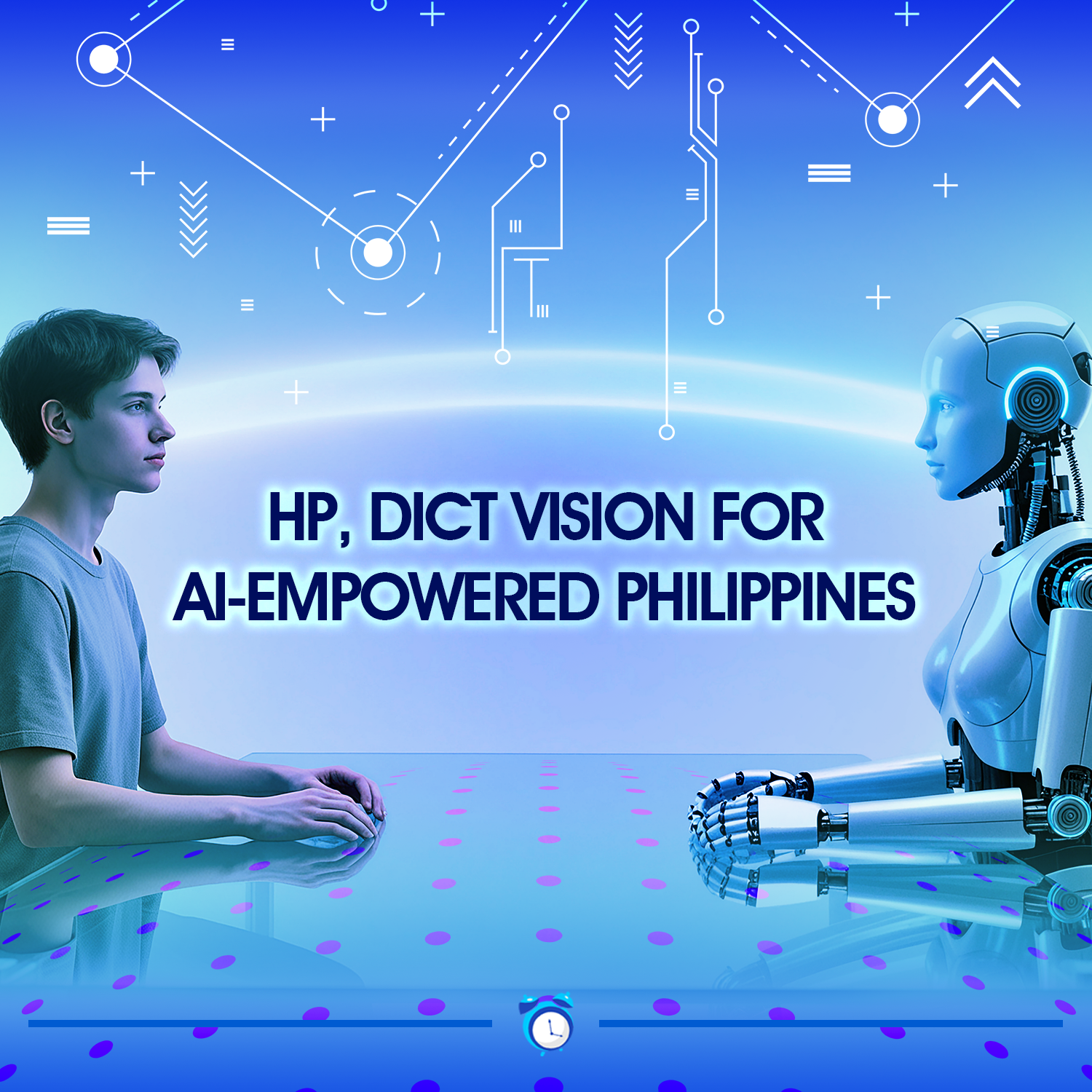
HP, DICT launch shared vision for a digitally and AI-empowered Philippines
January 30, 2026 HP, DICT launch shared vision for a digitally and AI-empowered Philippines Artificial intelligence (AI) is no longer a future promise—it is a present-day foundation. This is one glaring message that is becoming hard to ignore as leaders, policymakers, and technologists gathered at the 2026 World Economic Forum held at the resort town of Davos, Switzerland. CEO Microsoft Satya Nadella said: “What we are witnessing today is not just another technology cycle. It is a civilizational shift, comparable to the PC, the internet, and mobile cloud computing combined.” In July 2025 a webinar, titled “Artificial Intelligence in the Workspace,” was held where HP partnered with the Department of Information and Communications Technology (DICT) alongside Analytics and Artificial Intelligence Association of the Philippines (AAP) to present a shared vision for a digitally empowered Philippines, ensuring Filipinos don’t just adapt, they excel. Ride-hailing Apps replacing walking and transit. Need to go somewhere? Just tap and wait. Ride-hailing apps made travel easy, yet they’ve also replaced the casual walks and quick sprints for buses that kept us moving. The phone does the planning, and our legs stay still a little longer each day. Smart Homes that do every chore for you. From adjusting lights to vacuuming floors, smart homes remove almost every small task from your hands. Each command you give takes away another moment of movement, slowly trading effort for ease while technology quietly runs your daily routine. Online Shopping ending physical store visits. Scrolling through endless products has replaced weekend mall trips. With deliveries arriving faster than ever, errands require only a screen and a thumb. It’s efficient, sure, but those spontaneous strolls through aisles now belong to another era of effort. Endless Streaming encouraging sedentary binge habits. The streaming platforms make it too simple to stay glued to the couch. When the next episode plays automatically, self-control fades. Hours slip by while the screen glows, and we sit motionless, hypnotized by entertainment that never asks us to move. GPS Navigation weakening our sense of direction. Once, exploring new routes sharpened our memory and intuition. Now, GPS guides every turn and leaves little need to think spatially. We follow the screen instead of our instincts by trusting algorithms over awareness. Over time, even familiar paths can feel strangely foreign without digital guidance. Motorized Shopping Carts in stores. People who can walk fine are now riding motorized carts through grocery stores just to avoid the effort. The accessibility tool has become a convenience vehicle for anyone who doesn’t feel like pushing a cart. Walking through aisles is apparently too much work now. Remote Work reducing daily physical movement. Home offices bring comfort but shrink our range of movement. The walk to a car or office hallway becomes a few steps to the desk. Days pass between stretches, and the body learns stillness as a new routine. Efficiency comes, but so does physical inertia. Social Media replacing in-person human interaction. Scrolling feels social, though we’re alone most of the time. Conversations have turned into comment threads, and gestures into emojis. The effort to meet and talk fades as quickly as messages fill the gap once held by genuine connection. Electric Scooters for two-block trips. Electric scooters litter sidewalks so people can avoid walking distances they could cover in three minutes. A quick stroll to the coffee shop now requires renting a ride. Cities are full of people zipping past on scooters for trips that barely qualify as exercise. Reference: 20 Ways Tech Is Making Us Lazier By The Day But are Filipinos ready for AI? Filipino workers are steadily embracing artificial intelligence, and the Philippines is making significant strides towards an AI-ready future. Bayanihan remains one of the most enduring traits in Filipino culture. Values like selflessness, solidarity, trust and cooperation embody what a true spirit of bayanihan. Emmy Lou Versoza-Delfin, director of DICT’s ICT Industry Development Bureau (IIDB), shared: “This is as much about inclusion as it is about innovation. It’s about making sure we all grow and adapt together—wala tayong iwanan. It is a powerful reminder that when technology blends with culture, everyone can benefit and grow together.” HP Philippines Managing Director Ida Evina Ong-Co reaffirmed HP’s commitment to ensuring that the AI revolution benefits all Filipinos. She emphasized the company’s focus on delivering technology that is not only powerful and secure but also accessible so everyone can thrive. Although many fear that AI could replace human workers, Idris Atakli, HP Consultant and AI Product Strategist, dispelled this myth, emphasizing how AI can streamline tasks and enhance productivity through solutions like HP’s AI Companion. According to HP’s Work Relationship Index, 76% of Filipino knowledge workers believe AI will make their jobs easier, while 75% say it will make their work more interesting. Michelle Alarcon, president of AAP, stressed that AI will amplify our ability to think, solve problems, collaborate, and lead. She urges: “Everyone should be looking at how to leverage AI. Right now, we’re all on relatively equal footing, so it’s the perfect time to start preparing—organize your data, refine your processes—so that when you begin using AI, your systems are ready to integrate and fully benefit from it.” Together, HP, DICT and AAP shared a unified vision. AI adoption is not just about technology. It is about empowering people. With AI, people will work smarter, better and faster. When done right, it won’t just level up individual skills but the entire system as well. Reference: Manila Bulletin – The power of we Reference: Human washing machine that can clean head to toe goes on sale for £290,000 – would you give it a go?

AI-enabled format allows consumers to ‘engage’ spot on with ads
January 26, 2026 AI-enabled format allows consumers to ‘engage’ spot on with ads AI has been reshaping the way we connect, collaborate, and create value. But with this latest tech innovation, the landscape is ever evolving as well. Hence, thought leaders, innovators, and industry experts believe in unlocking the power of AI to unify platforms, portfolios, and possibilities. Advertising technology agency AdSpark has rolled out a new advertising format that allows consumers to interact directly with ads using natural language, marking what its parent company described as a first for the local marketing technology industry. These so-called “generative response ads,” launched in Dec. 2025, enable users to “talk” to an advertisement and receive real-time responses generated by artificial intelligence (AI) and tailored to a brand’s products and services. Ride-hailing Apps replacing walking and transit. Need to go somewhere? Just tap and wait. Ride-hailing apps made travel easy, yet they’ve also replaced the casual walks and quick sprints for buses that kept us moving. The phone does the planning, and our legs stay still a little longer each day. Smart Homes that do every chore for you. From adjusting lights to vacuuming floors, smart homes remove almost every small task from your hands. Each command you give takes away another moment of movement, slowly trading effort for ease while technology quietly runs your daily routine. Online Shopping ending physical store visits. Scrolling through endless products has replaced weekend mall trips. With deliveries arriving faster than ever, errands require only a screen and a thumb. It’s efficient, sure, but those spontaneous strolls through aisles now belong to another era of effort. Endless Streaming encouraging sedentary binge habits. The streaming platforms make it too simple to stay glued to the couch. When the next episode plays automatically, self-control fades. Hours slip by while the screen glows, and we sit motionless, hypnotized by entertainment that never asks us to move. GPS Navigation weakening our sense of direction. Once, exploring new routes sharpened our memory and intuition. Now, GPS guides every turn and leaves little need to think spatially. We follow the screen instead of our instincts by trusting algorithms over awareness. Over time, even familiar paths can feel strangely foreign without digital guidance. Motorized Shopping Carts in stores. People who can walk fine are now riding motorized carts through grocery stores just to avoid the effort. The accessibility tool has become a convenience vehicle for anyone who doesn’t feel like pushing a cart. Walking through aisles is apparently too much work now. Remote Work reducing daily physical movement. Home offices bring comfort but shrink our range of movement. The walk to a car or office hallway becomes a few steps to the desk. Days pass between stretches, and the body learns stillness as a new routine. Efficiency comes, but so does physical inertia. Social Media replacing in-person human interaction. Scrolling feels social, though we’re alone most of the time. Conversations have turned into comment threads, and gestures into emojis. The effort to meet and talk fades as quickly as messages fill the gap once held by genuine connection. Electric Scooters for two-block trips. Electric scooters litter sidewalks so people can avoid walking distances they could cover in three minutes. A quick stroll to the coffee shop now requires renting a ride. Cities are full of people zipping past on scooters for trips that barely qualify as exercise. Reference: 20 Ways Tech Is Making Us Lazier By The Day Nikko Acosta, president and CEO of BCHI, said: “This next-generation advertising format leverages advanced AI, enabling consumers to engage in natural language dialogue directly within an ad space—essentially ‘talking’ with an ad.” Brave Connective Holdings Inc. (BCHI), the marketing tech group behind AdSpark, said the advertising innovation was piloted with Globe Platinum. BCHI operates under 917Ventures, the corporate venture arm of the Globe Group, which also runs one of the Philippines’ largest telco firms. Not scripted Unlike conventional chatbot-driven ads, BCHI says the new format uses generative AI trained on brand-specific data, allowing conversations to flow without relying on prescripted responses. This is crucial in a Philippine market where consumers are increasingly exposed to AI but remain dissatisfied with its limitations. A study by customer engagement platform Twilio found that 46% of Filipinos are frustrated with scripted chatbot responses, while 44% are unhappy with generic answers in digital customer service tools. For BCHI, this technology demonstrates how AI chatbots can be tailored to reflect the voice of a specific brand. The company added that all interactions are anonymized to address data privacy concerns. Unified ecosystem AdSpark’s system is integrated with three other companies within BCHI’s portfolio. These include: M360, a wallet-based messaging platform; Inquiro, a data intelligence and analytics firm; and Rush, an e-commerce and loyalty platform. Together, the group operates what it describes as a “unified ecosystem” in which Inquiro identifies high-value market segments; AdSparks designs targeted campaigns using those insights; M360 handles message delivery; and Rush manages e-commerce conversations. Adspark was also recognized for Excellence in Mobile Marketing for its work with Singlife Philippines and Excellence in Performance Marketing for Globe Broadband, cementing its reputation in delivering standout campaigns in a digital era. Reference: AI-powered tool lets consumers ‘talk’ to ads Reference: Human washing machine that can clean head to toe goes on sale for £290,000 – would you give it a go?
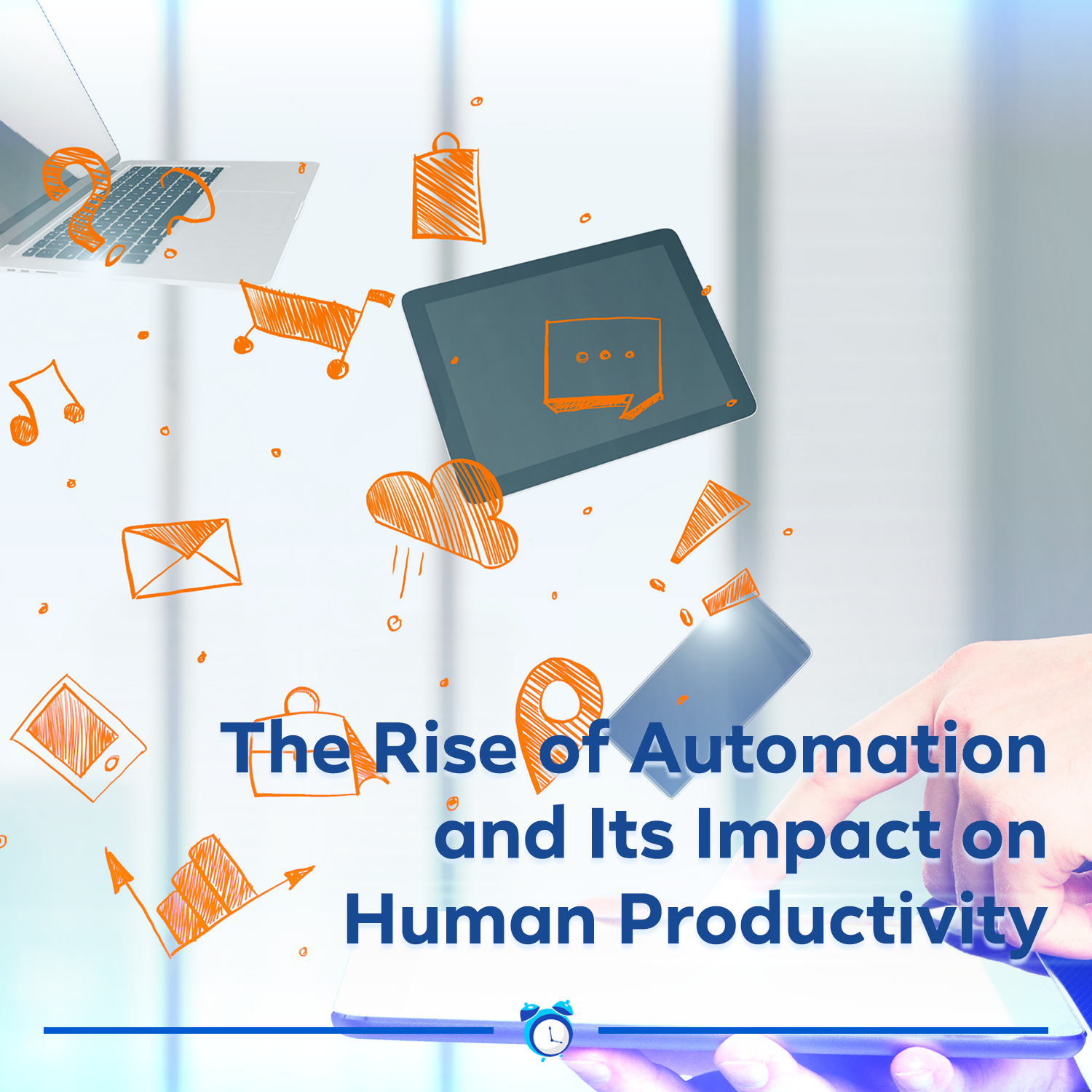
Tech could be Making Us Lazier as human effort is Replaced By Automation
January 23, 2026 Tech could be Making Us Lazier as human effort is Replaced By Automation While technology offers a lot of “delectable” convenience, making everything like a walk in the park, the “pampering” pattern is turning people to acquire a slack behavior in engaging with manual tasks. Obviously, this doesn’t encourage diligence, rather it promotes tolerance to “devil-may-care” stance. From connecting people across continents to making work faster, technology has changed life in amazing ways. However, it also encourages shortcuts and makes daily tasks easier to skip. Phones and smart devices have quietly replaced routines that once required at least a modicum of effort—and we’re all much lazier for it. Let’s explore the ways modern gadgets are making us lazier by the day. Ride-hailing Apps replacing walking and transit. Need to go somewhere? Just tap and wait. Ride-hailing apps made travel easy, yet they’ve also replaced the casual walks and quick sprints for buses that kept us moving. The phone does the planning, and our legs stay still a little longer each day. Smart Homes that do every chore for you. From adjusting lights to vacuuming floors, smart homes remove almost every small task from your hands. Each command you give takes away another moment of movement, slowly trading effort for ease while technology quietly runs your daily routine. Online Shopping ending physical store visits. Scrolling through endless products has replaced weekend mall trips. With deliveries arriving faster than ever, errands require only a screen and a thumb. It’s efficient, sure, but those spontaneous strolls through aisles now belong to another era of effort. Endless Streaming encouraging sedentary binge habits. The streaming platforms make it too simple to stay glued to the couch. When the next episode plays automatically, self-control fades. Hours slip by while the screen glows, and we sit motionless, hypnotized by entertainment that never asks us to move. GPS Navigation weakening our sense of direction. Once, exploring new routes sharpened our memory and intuition. Now, GPS guides every turn and leaves little need to think spatially. We follow the screen instead of our instincts by trusting algorithms over awareness. Over time, even familiar paths can feel strangely foreign without digital guidance. Motorized Shopping Carts in stores. People who can walk fine are now riding motorized carts through grocery stores just to avoid the effort. The accessibility tool has become a convenience vehicle for anyone who doesn’t feel like pushing a cart. Walking through aisles is apparently too much work now. Remote Work reducing daily physical movement. Home offices bring comfort but shrink our range of movement. The walk to a car or office hallway becomes a few steps to the desk. Days pass between stretches, and the body learns stillness as a new routine. Efficiency comes, but so does physical inertia. Social Media replacing in-person human interaction. Scrolling feels social, though we’re alone most of the time. Conversations have turned into comment threads, and gestures into emojis. The effort to meet and talk fades as quickly as messages fill the gap once held by genuine connection. Electric Scooters for two-block trips. Electric scooters litter sidewalks so people can avoid walking distances they could cover in three minutes. A quick stroll to the coffee shop now requires renting a ride. Cities are full of people zipping past on scooters for trips that barely qualify as exercise. Reference: 20 Ways Tech Is Making Us Lazier By The Day Early this year (Jan. 12), tech giant Meta urged Australia to rethink its world-first social media ban for under-16s, while reporting that it has blocked more than 544,000 accounts under the new law. Australia has required big platforms, including Meta, TikTok, and YouTube, to stop underage users from holding accounts since the legislation came into force. Billionaire Mark Zuckerberg’s Meta said it had removed 331,000 underage accounts from Instagram, 173,000 from Facebook, and 40,000 from Threads in the week to December 11. The company said it was committed to complying with the law. “That said, we call on the Australian government to engage with industry constructively to find a better way forward, such as incentivizing all of industry to raise the standard in providing safe, privacy-preserving, age-appropriate experiences online, instead of blanket bans,” it said in a statement. Meta renewed an earlier call for app stores to be required to verify people’s ages and get parental approval before under-16s can download an app. This was the only way to avoid a “whack-a-mole” race to stop teens migrating to new apps to avoid the ban, the company said. Filipino youth need protection as well On July 3, 2025, Sen. Panfilo Lacson introduced a bill that seeks to regulate social media usage among minors to protect the mental health and well-being of Filipino youth. The proposed legislation aims to impose strict age restrictions and penalties for violations to address growing concerns about the detrimental effects of excessive social media use. Citing alarming studies that highlight the correlation between social media use and rising mental health issues, including anxiety, depression, and social isolation, Lacson emphasized the urgency of the situation. One in three children ages 0 to 18 in the Philippines are internet users. Under the bill, minors shall be prohibited from accessing or using social media services. In contrast, social media platforms shall take “reasonable steps and age verification measures to prevent age-restricted users from registering, accessing, or continuing to use their social media service.” Reference: Meta urges Australia to change teen social media ban Reference: Human washing machine that can clean head to toe goes on sale for £290,000 – would you give it a go?

Are YouTube contents really cool? They are and more! (Part 2)
January 21, 2026 Are YouTube contents really cool? They are and more! (Part 2) From beauty product tutorials to comedy shows and even to music and beyond, YouTube got more! Creators will upload their videos and users can consume and engage with them in numerous ways. For the 2nd part of this article, we’ll continue to probe statistics and facts about YouTube that might astound you. However, some cool contents also leave “lasting” impression or otherwise. So, whether you’re a YouTube user or not, this impressive business is worth paying attention to. YouTube Music and Premium. There are over 100 million paid subscribers to YouTube Music and YouTube Premium. The news. More than a quarter of news readers use YouTube to obtain news, opinions, and facts. Major players like BBC and Sky News use the platform to deliver live or pre-recorded coverage. Captions. YouTube’s automatic captions are usually 60% to 70% accurate. Creators should speak as clearly as possible to help minimize errors. Value of YouTube. In 2024, YouTube was valued at over $US30 billion. This global powerhouse is always growing and has a lot of influence. Active users. As of 2024, 2.5 billion active monthly users called YouTube home. It delivers tailored search results and covers a broad range of topics ranging from comedy to health and wellness as well as much more. First quarter of 2024. In the first quarter of 2024, YouTube generated $8.1 billion. Live content engagement. YouTube has stood the test of time and today, 10 million users engage with live content on YouTube every day. Most subscribed channel. The most subscribed channel on YouTube belongs to Mr. Beast. This content creator is known for putting on large stunts such as giving away a private island and being buried alive. English. While it’s possible to use YouTube to learn and practice other languages, 66% of videos are in English. Retail shoppers. More than 40% of retail shoppers have bought products they saw on YouTube. Carbon neutral. YouTube is aiming to be carbon neutral by 2030 through carbon-free energy use, carbon offsetting, and making its buildings more sustainable. Reference: Impressive statistics and facts about YouTube Early this year (Jan. 12), tech giant Meta urged Australia to rethink its world-first social media ban for under-16s, while reporting that it has blocked more than 544,000 accounts under the new law. Australia has required big platforms, including Meta, TikTok, and YouTube, to stop underage users from holding accounts since the legislation came into force. Billionaire Mark Zuckerberg’s Meta said it had removed 331,000 underage accounts from Instagram, 173,000 from Facebook, and 40,000 from Threads in the week to December 11. The company said it was committed to complying with the law. “That said, we call on the Australian government to engage with industry constructively to find a better way forward, such as incentivizing all of industry to raise the standard in providing safe, privacy-preserving, age-appropriate experiences online, instead of blanket bans,” it said in a statement. Meta renewed an earlier call for app stores to be required to verify people’s ages and get parental approval before under-16s can download an app. This was the only way to avoid a “whack-a-mole” race to stop teens migrating to new apps to avoid the ban, the company said. Filipino youth need protection as well On July 3, 2025, Sen. Panfilo Lacson introduced a bill that seeks to regulate social media usage among minors to protect the mental health and well-being of Filipino youth. The proposed legislation aims to impose strict age restrictions and penalties for violations to address growing concerns about the detrimental effects of excessive social media use. Citing alarming studies that highlight the correlation between social media use and rising mental health issues, including anxiety, depression, and social isolation, Lacson emphasized the urgency of the situation. One in three children ages 0 to 18 in the Philippines are internet users. Under the bill, minors shall be prohibited from accessing or using social media services. In contrast, social media platforms shall take “reasonable steps and age verification measures to prevent age-restricted users from registering, accessing, or continuing to use their social media service.” Reference: Meta urges Australia to change teen social media ban Reference: Human washing machine that can clean head to toe goes on sale for £290,000 – would you give it a go?

Australia bans teens (under 16) from social media; Meta urges adjustments
January 19, 2026 Australia bans teens (under 16) from social media; Meta urges adjustments In Dec. 2025, Australia made history by enforcing a legislated social media ban for their citizens who are under 16 years of age. The world’s-first prohibition ruled that popular apps and websites — Facebook, YouTube, Instagram and X among them — face US$33 million fines if they fail to purge Australia-based users younger than 16. Australia becomes one of the first nations to push back so forcefully against tech companies with immense political power, in a move other countries are looking at closely. The government says unprecedented measures are needed to protect children from “predatory algorithms” filling phone screens with bullying, sex and violence. Further, the country’s eSafety Commissioner says the new regulations aim to protect young Australians from “pressures and risks” they could face on social media, including “design features” that encourage higher screen times and content that can “harm their health and well-being.” The new site includes separate sections for iPhone, iPad, Mac, Vision, Watch, and TV apps. It also brings the familiar “Today” tab to the web, with curated stories, top charts, and special events. App pages now look more polished as well, with clearer icons for categories, awards, and events. There’s also a built-in search tool, so users can find apps directly. One handy feature is the toggle in the top-left corner, which lets users switch between different App Store platforms. However, you still can’t download apps from the web version. It’s more for browsing and discovery than installation. While Apple hasn’t shared any plans to expand the site’s functionality, this move shows a clear push toward making its app ecosystem more accessible across devices. The leading tech giant believes that the best technology is designed with everyone in mind. That’s why their products and services have built-in features to help you create, connect, and do what you love, your way. Apple’s long-standing commitment to accessibility is fundamental to everything they do. The tech leader trains and motivates its employees to innovate in terms of individual work performance and idea contributions for product development, design, and other processes. Reference: Apple brings full App Store experience to the web – Technobaboy Early this year (Jan. 12), tech giant Meta urged Australia to rethink its world-first social media ban for under-16s, while reporting that it has blocked more than 544,000 accounts under the new law. Australia has required big platforms, including Meta, TikTok, and YouTube, to stop underage users from holding accounts since the legislation came into force. Billionaire Mark Zuckerberg’s Meta said it had removed 331,000 underage accounts from Instagram, 173,000 from Facebook, and 40,000 from Threads in the week to December 11. The company said it was committed to complying with the law. “That said, we call on the Australian government to engage with industry constructively to find a better way forward, such as incentivizing all of industry to raise the standard in providing safe, privacy-preserving, age-appropriate experiences online, instead of blanket bans,” it said in a statement. Meta renewed an earlier call for app stores to be required to verify people’s ages and get parental approval before under-16s can download an app. This was the only way to avoid a “whack-a-mole” race to stop teens migrating to new apps to avoid the ban, the company said. Filipino youth need protection as well On July 3, 2025, Sen. Panfilo Lacson introduced a bill that seeks to regulate social media usage among minors to protect the mental health and well-being of Filipino youth. The proposed legislation aims to impose strict age restrictions and penalties for violations to address growing concerns about the detrimental effects of excessive social media use. Citing alarming studies that highlight the correlation between social media use and rising mental health issues, including anxiety, depression, and social isolation, Lacson emphasized the urgency of the situation. One in three children ages 0 to 18 in the Philippines are internet users. Under the bill, minors shall be prohibited from accessing or using social media services. In contrast, social media platforms shall take “reasonable steps and age verification measures to prevent age-restricted users from registering, accessing, or continuing to use their social media service.” Reference: Meta urges Australia to change teen social media ban Reference: Human washing machine that can clean head to toe goes on sale for £290,000 – would you give it a go?
TikTok sells US operations to American investors in joint venture deal
January 16, 2026 TikTok sells US operations to American investors in joint venture deal On Sept. 25, 2025, President Donald Trump signed an executive order outlining the terms of a deal to transfer TikTok to a US owner. The US president said he and China’s president Xi Jinping had come to an agreement to allow TikTok to continue operating in the US, separating the social media platform from its Chinese owner ByteDance. Trump said the deal complies with a law that would have forced the shutdown of the app for American users. Under the plan, US investors will take over the majority of TikTok’s operations and take charge of a licensed copy of the app’s powerful recommendation algorithm. American companies are expected to own about 80% of the US version of the spun off company, while ByteDance and Chinese investors will own less than 20%. In late-Dec. 2025, TikTok sold its US operations to a new joint venture with American investors, finally putting an end to years of uncertainty about the app’s future in the United States. The move ensures TikTok will continue running for its 170 million US users while meeting national security requirements. The Associated Press reports that Oracle, Silver Lake, and Emirati firm MGX will each take a 15% stake in the new company. ByteDance will keep 19.9%, while affiliates of its existing investors hold 30.1%. A mostly American seven‑member board will oversee the venture. Part of the deal focuses on data protection. US user data will be stored locally under Oracle’s management. TikTok’s algorithm, which powers its personalized video feed, will be retrained using American data to prevent outside influence. Content moderation and policy decisions will also be handled in the US. The sale follows a law requiring TikTok to cut ties with ByteDance or face a nationwide ban. President Donald Trump extended deadlines through executive orders while negotiations continued. The agreement is expected to close in January 2026. With TikTok sold, the app avoids shutdown and enters a new phase under American oversight. How this change will affect TikTok in other regions, including the Philippines, remains to be seen. The new setup for TikTok is in response to a law passed under Trump’s predecessor, Joe Biden, that has forced ByteDance to sell TikTok’s US operations or face a ban in its biggest market. US policymakers, including Trump in his first presidency, have warned that China could use TikTok to mine data from Americans or exert influence through its state-of-the-art algorithm. Trump has repeatedly delayed enforcement through successive executive orders, most recently extending the deadline into January. The deal largely confirms a September announcement by the White House that said a new venture had been agreed with China and would meet the requirements of the 2024 law. Reference: TikTok sold: ByteDance finalizes US deal The new site includes separate sections for iPhone, iPad, Mac, Vision, Watch, and TV apps. It also brings the familiar “Today” tab to the web, with curated stories, top charts, and special events. App pages now look more polished as well, with clearer icons for categories, awards, and events. There’s also a built-in search tool, so users can find apps directly. One handy feature is the toggle in the top-left corner, which lets users switch between different App Store platforms. However, you still can’t download apps from the web version. It’s more for browsing and discovery than installation. While Apple hasn’t shared any plans to expand the site’s functionality, this move shows a clear push toward making its app ecosystem more accessible across devices. The leading tech giant believes that the best technology is designed with everyone in mind. That’s why their products and services have built-in features to help you create, connect, and do what you love, your way. Apple’s long-standing commitment to accessibility is fundamental to everything they do. The tech leader trains and motivates its employees to innovate in terms of individual work performance and idea contributions for product development, design, and other processes. Reference: Apple brings full App Store experience to the web – Technobaboy Super thin, it unfolds to a 10-inch (25.4 centimeter) display, offering “increased possibilities for creating and working,” the South Korean tech giant said. The triple fold function is not world-first — China’s Huawei beat Samsung to the punch last year with a phone at a similarly exorbitant price. Growth has been patchy in the competitive smartphone market, pushing makers to find new, eye-catching ways to differentiate their products. Offered solely in a black design, Samsung’s new device comes in at 309 grams (10.9 ounces) and at its thinnest point measures less than 0.2 inches. Generative artificial intelligence features are integrated into the phone, which can give real-time help through screen or camera sharing. Samsung admitted the Galaxy Z Trifold was “not intended for mass sales.” Alex Lim, executive vice-president at Samsung Electronics said it was a “special edition” product. The launch comes as recent industry numbers suggest Apple is on track to overtake Samsung for the first time in 14 years as the world’s top smartphone maker through 2029. Apple has also long been rumored to be planning a foldable iPhone, possibly as early as next year. The US company’s smartphone shipments are expected to reach a global share of 19.4% in 2025 while Samsung is expected to hold 18.7% — with Apple effectively dethroning its rival for the first time, according to research firm Counterpoint. Reference: Samsung unveils first ‘special edition’ triple-folding phone Reference: Human washing machine that can clean head to toe goes on sale for £290,000 – would you give it a go?

Samsung presents first ‘special edition’ triple-folding phone in the market
January 14, 2026 Samsung presents first ‘special edition’ triple-folding phone in the market Samsung is devoted to ethically creating superior products and services for multipurpose IT communication that contributes to a better global society and is at the forefront of professional visual-commercial displays and PC monitor solutions that are applied in a wide variety of versatile commercial settings. The company has continued to innovate to remain a world leader in memory semiconductors, TVs, and smartphones. Samsung has continually strived to become No. 1 in the system semiconductor industry while simultaneously driving growth in areas such as AI and 5G. Samsung launched its first triple-folding phone on Dec. 2, 2025, a special-edition product with an eye watering price tag placing it out of the reach of the average consumer. The Galaxy Z Trifold will go on sale on December 12 and costs more than twice as much as the new iPhone 17 at $2,443 (P143,000). The new site includes separate sections for iPhone, iPad, Mac, Vision, Watch, and TV apps. It also brings the familiar “Today” tab to the web, with curated stories, top charts, and special events. App pages now look more polished as well, with clearer icons for categories, awards, and events. There’s also a built-in search tool, so users can find apps directly. One handy feature is the toggle in the top-left corner, which lets users switch between different App Store platforms. However, you still can’t download apps from the web version. It’s more for browsing and discovery than installation. While Apple hasn’t shared any plans to expand the site’s functionality, this move shows a clear push toward making its app ecosystem more accessible across devices. The leading tech giant believes that the best technology is designed with everyone in mind. That’s why their products and services have built-in features to help you create, connect, and do what you love, your way. Apple’s long-standing commitment to accessibility is fundamental to everything they do. The tech leader trains and motivates its employees to innovate in terms of individual work performance and idea contributions for product development, design, and other processes. Reference: Apple brings full App Store experience to the web – Technobaboy Super thin, it unfolds to a 10-inch (25.4 centimeter) display, offering “increased possibilities for creating and working,” the South Korean tech giant said. The triple fold function is not world-first — China’s Huawei beat Samsung to the punch last year with a phone at a similarly exorbitant price. Growth has been patchy in the competitive smartphone market, pushing makers to find new, eye-catching ways to differentiate their products. Offered solely in a black design, Samsung’s new device comes in at 309 grams (10.9 ounces) and at its thinnest point measures less than 0.2 inches. Generative artificial intelligence features are integrated into the phone, which can give real-time help through screen or camera sharing. Samsung admitted the Galaxy Z Trifold was “not intended for mass sales.” Alex Lim, executive vice-president at Samsung Electronics said it was a “special edition” product. The launch comes as recent industry numbers suggest Apple is on track to overtake Samsung for the first time in 14 years as the world’s top smartphone maker through 2029. Apple has also long been rumored to be planning a foldable iPhone, possibly as early as next year. The US company’s smartphone shipments are expected to reach a global share of 19.4% in 2025 while Samsung is expected to hold 18.7% — with Apple effectively dethroning its rival for the first time, according to research firm Counterpoint. Reference: Samsung unveils first ‘special edition’ triple-folding phone Reference: Human washing machine that can clean head to toe goes on sale for £290,000 – would you give it a go?

Apple launches a redesigned web version of the App Store
January 12, 2026 Apple launches a redesigned web version of the App Store Apple revolutionized personal technology with the introduction of the Macintosh in 1984. Today, Apple leads the world in innovation with iPhone, iPad, Mac, Air Pods, Apple Watch, and Apple Vision Pro. The six software platforms of the tech giant — iOS, pads, macros, watches, visions, and those — provide seamless experiences across all Apple devices and empower people with breakthrough services including the App Store, Apple Music, Apple Pay, iCloud, and Apple TV+. Apple has launched in Nov. 2025 a redesigned web version of the App Store, making it easier to browse apps from any desktop browser. The update replaces the old apps.apple.com landing page with a full-featured experience similar to what users see on their iPhones and iPads. The new site includes separate sections for iPhone, iPad, Mac, Vision, Watch, and TV apps. It also brings the familiar “Today” tab to the web, with curated stories, top charts, and special events. App pages now look more polished as well, with clearer icons for categories, awards, and events. There’s also a built-in search tool, so users can find apps directly. One handy feature is the toggle in the top-left corner, which lets users switch between different App Store platforms. However, you still can’t download apps from the web version. It’s more for browsing and discovery than installation. While Apple hasn’t shared any plans to expand the site’s functionality, this move shows a clear push toward making its app ecosystem more accessible across devices. The leading tech giant believes that the best technology is designed with everyone in mind. That’s why their products and services have built-in features to help you create, connect, and do what you love, your way. Apple’s long-standing commitment to accessibility is fundamental to everything they do. The tech leader trains and motivates its employees to innovate in terms of individual work performance and idea contributions for product development, design, and other processes. Reference: Apple brings full App Store experience to the web – Technobaboy Better Me: The multifunction pocket coach Looking for a personalized practice plan and nutrition advice tailored to your pace? Better Me offers tailor-made programs, motivating reminders and even easy recipes. The app analyzes your progress and adjusts your goals. Nearly 50 million users worldwide have already adopted it. Perfect for those who want results without the headache, even between meetings or during lunch breaks. Noom: Psychology for weight loss If you want to understand why you snack in front of Netflix, Noom is for you. This app combines coaching, diet tracking and psychological tips to help you change your habits for the long term. Studies show that 78% of users lose weight over the long term. Ideal for those who want to go beyond simple calorie counting. Weightwatchers: The classic revisited It’s impossible to talk about fitness without mentioning Weightwatchers. The app modernizes the famous points system and offers recipes, challenges and community tracking. Over 4.5 million members worldwide take advantage of its frustration-free weight loss tools. Perfect for those who like the structure and support of a group, even at a distance. Nike Training Club: Professional practice at home Nike Training Club offers over 200 free sessions, from HIIT to yoga, with clear videos and expert advice. The app adapts to your level and your schedule. According to an internal study, 85% of users notice an improvement in their fitness levels after just one month. Ideal for transforming your living room into a gym, without the need for sophisticated equipment. MyFitnessPal : The intelligent food diary MyFitnessPal simplifies calorie and macronutrient tracking with a database of over 14 million foods. The app scans barcodes and provides detailed analyses. Users who keep a food diary lose twice as much weight on average. Perfect for those who like numbers and want to stay in control of their diet. Strava: For cardio addicts Strava turns every running or cycling outing into a friendly competition. The app records your runs, analyzes your performance and lets you challenge your friends. Over 100 million athletes use it worldwide. Segments and rankings boost motivation, even for a short run between two appointments. Freeletics: Intensity without equipment Freeletics offers short, intense practices, suitable for all levels, without equipment. The app uses artificial intelligence to personalize each session. According to their data, 90% of users see an improvement in their fitness levels within 12 weeks. Ideal for those who want to sweat fast and hard, even in a small space. Yazio: simple, visual nutrition monitoring Yazio helps you plan your meals, track your calories and achieve your nutritional goals. The colorful interface makes tracking pleasant and motivating. The app also offers recipes to suit all diets. Users report an average weight loss of 6kg in three months. Perfect for those who want to eat better without complicating their lives. 7 Minute Workout: The excuse of lack of time no longer exists 7 Minute Workout offers express sessions, validated by science, to burn calories in record time. Each exercise lasts 30 seconds, with 10 seconds rest. According to the American College of Sports Medicine, this format improves cardiovascular fitness and strength. Ideal for busy days when every minute counts. Calm: Fitness also comes from the head Calm offers guided meditations, breathing exercises and stories to help you sleep better. Stress has a direct impact on physical fitness, and 60% of men say they want to manage their stress better. The app helps to restore balance, improve concentration and promote recovery after exercise. JEFIT: The digital practice book JEFIT allows you to plan, track and analyze every workout. The app features over 1,300 illustrated exercises and programs to suit all objectives. Users who follow a structured plan progress 30% faster. Ideal for those who love the gym and want to optimize every repetition. FitOn: On-demand fitness classes FitOn offers hundreds of free video classes, hosted by star coaches. The app offers short or long sessions, depending on your schedule. Users appreciate the variety and quality

New year, new you: wellness apps that generate a sound body, heart, and mind
January 9, 2026 New year, new you: wellness apps that generate a sound body, heart, and mind The new year has come and with a new beginning, the motivation to go back in shape is fresh as well. After all, the past yearend revelry set most of us in festive mood and predictably the festive appetite. And so, gaining those extra pounds is a no-brainer. But for the health and the figure conscious, the new year is the perfect time to reset the goal of wellness for body, heart and mind. However, between work, outings and responsibilities, finding time to practice sometimes seems like mission impossible. Fortunately, technology comes to the rescue with mobile apps. These apps turn your phone into a personal trainer, nutritionist or motivational partner: To access the service, go to the Fitness app on your Apple device and tap on Fitness+ in the bottom menu. If you have an Apple Watch or Air Pods Pro 3, you’ll also see real-time metrics like heart rate, calories burned, and progress on your Activity rings right on the screen. The Custom Plans feature can make a personalized schedule automatically based on users’ workout and meditation preferences. Apple is adding dubbed workouts in Spanish and German, with Japanese coming in 2026. These use generated voices based on the trainers’ original recordings. A new K-Pop music category is also joining the lineup, alongside the Artist Spotlight series featuring Taylor Swift, BTS, Beyoncé, and more. You can also expect genres like Upbeat Anthems, Latest Hits, Hip-Hop and R&B, Latin Grooves, and more to accompany different workout types. Fitness+ also comes with the award-winning Time to Walk feature, where users can “walk” with celebrities and influencers such as Cynthia Erivan, Daddy Yankee, Naomi Campbell, Camila Cabello, Simi Liu, Shawn Mendes, Jane Fonda, and F1 driver Yuki Tsoumada, as they share stories, photos, and songs with users. Aside from the Philippines, the service is now available in Argentina, Belgium, Bolivia, Chile, Costa Rica, the Dominican Republic, Ecuador, El Salvador, Finland, Guatemala, Honduras, Hong Kong, Iceland, India, the Netherlands, Nicaragua, Norway, Panama, Paraguay, Peru, the Poland, Singapore, Sweden, Taiwan, Venezuela, Vietnam, and about 20 other countries. Fitness+ is a subscription service. Currently, users who try the platform for the first time get a one-month free trial. After that, the subscription fee is P149 per month. Users can also opt for an annual subscription for P1,190 per year. Have a merry feast, but get fit and fab too, this holiday season! Reference: What to know about Apple Fitness+, which is now available in the PH • Phil STAR Life Better Me: The multifunction pocket coach Looking for a personalized practice plan and nutrition advice tailored to your pace? Better Me offers tailor-made programs, motivating reminders and even easy recipes. The app analyzes your progress and adjusts your goals. Nearly 50 million users worldwide have already adopted it. Perfect for those who want results without the headache, even between meetings or during lunch breaks. Noom: Psychology for weight loss If you want to understand why you snack in front of Netflix, Noom is for you. This app combines coaching, diet tracking and psychological tips to help you change your habits for the long term. Studies show that 78% of users lose weight over the long term. Ideal for those who want to go beyond simple calorie counting. Weightwatchers: The classic revisited It’s impossible to talk about fitness without mentioning Weightwatchers. The app modernizes the famous points system and offers recipes, challenges and community tracking. Over 4.5 million members worldwide take advantage of its frustration-free weight loss tools. Perfect for those who like the structure and support of a group, even at a distance. Nike Training Club: Professional practice at home Nike Training Club offers over 200 free sessions, from HIIT to yoga, with clear videos and expert advice. The app adapts to your level and your schedule. According to an internal study, 85% of users notice an improvement in their fitness levels after just one month. Ideal for transforming your living room into a gym, without the need for sophisticated equipment. MyFitnessPal : The intelligent food diary MyFitnessPal simplifies calorie and macronutrient tracking with a database of over 14 million foods. The app scans barcodes and provides detailed analyses. Users who keep a food diary lose twice as much weight on average. Perfect for those who like numbers and want to stay in control of their diet. Strava: For cardio addicts Strava turns every running or cycling outing into a friendly competition. The app records your runs, analyzes your performance and lets you challenge your friends. Over 100 million athletes use it worldwide. Segments and rankings boost motivation, even for a short run between two appointments. Freeletics: Intensity without equipment Freeletics offers short, intense practices, suitable for all levels, without equipment. The app uses artificial intelligence to personalize each session. According to their data, 90% of users see an improvement in their fitness levels within 12 weeks. Ideal for those who want to sweat fast and hard, even in a small space. Yazio: simple, visual nutrition monitoring Yazio helps you plan your meals, track your calories and achieve your nutritional goals. The colorful interface makes tracking pleasant and motivating. The app also offers recipes to suit all diets. Users report an average weight loss of 6kg in three months. Perfect for those who want to eat better without complicating their lives. 7 Minute Workout: The excuse of lack of time no longer exists 7 Minute Workout offers express sessions, validated by science, to burn calories in record time. Each exercise lasts 30 seconds, with 10 seconds rest. According to the American College of Sports Medicine, this format improves cardiovascular fitness and strength. Ideal for busy days when every minute counts. Calm: Fitness also comes from the head Calm offers guided meditations, breathing exercises and stories to help you sleep better. Stress has a direct impact on physical fitness, and 60% of men say they want to manage their stress better.
‘Brain rot’ condition from TikTok scrolling more than a memed side-effect
January 5, 2026 ‘Brain rot’ condition from TikTok scrolling more than a memed side-effect The so-called “brain rot” is said to be more than a memed side-effect. The American Psychological Association (APA), in their recent findings, confirms that brain rot is not only real but it’s an actual neurocognitive syndrome that causes measurable damage. Oxford Dictionary crowned ‘brain rot’ in 2024, as Word of the Year. The term captured concerns about the impact of consuming “excessive amounts of low-quality online content, especially on social media.” Well, that’s where the problem lies, in the perception that such content is high quality instead. Young people are hooked and screen addiction follows! To access the service, go to the Fitness app on your Apple device and tap on Fitness+ in the bottom menu. If you have an Apple Watch or Air Pods Pro 3, you’ll also see real-time metrics like heart rate, calories burned, and progress on your Activity rings right on the screen. The Custom Plans feature can make a personalized schedule automatically based on users’ workout and meditation preferences. Apple is adding dubbed workouts in Spanish and German, with Japanese coming in 2026. These use generated voices based on the trainers’ original recordings. A new K-Pop music category is also joining the lineup, alongside the Artist Spotlight series featuring Taylor Swift, BTS, Beyoncé, and more. You can also expect genres like Upbeat Anthems, Latest Hits, Hip-Hop and R&B, Latin Grooves, and more to accompany different workout types. Fitness+ also comes with the award-winning Time to Walk feature, where users can “walk” with celebrities and influencers such as Cynthia Erivan, Daddy Yankee, Naomi Campbell, Camila Cabello, Simi Liu, Shawn Mendes, Jane Fonda, and F1 driver Yuki Tsoumada, as they share stories, photos, and songs with users. Aside from the Philippines, the service is now available in Argentina, Belgium, Bolivia, Chile, Costa Rica, the Dominican Republic, Ecuador, El Salvador, Finland, Guatemala, Honduras, Hong Kong, Iceland, India, the Netherlands, Nicaragua, Norway, Panama, Paraguay, Peru, the Poland, Singapore, Sweden, Taiwan, Venezuela, Vietnam, and about 20 other countries. Fitness+ is a subscription service. Currently, users who try the platform for the first time get a one-month free trial. After that, the subscription fee is P149 per month. Users can also opt for an annual subscription for P1,190 per year. Have a merry feast, but get fit and fab too, this holiday season! Reference: What to know about Apple Fitness+, which is now available in the PH • Phil STAR Life The APA study, titled “Feeds, Feelings, and Focus: A Systematic Review and Meta-Analysis Examining the Cognitive and Mental Health Correlates of Short-Form Video Use”, directly ties short-form video content (SFV) from algorithm-driven platforms such as TikTok, Instagram Reels and YouTube Shorts to brain rot. Researchers analyzed data from 98,299 participants across 71 studies, and discovered that the more short-form content a person watches, the poorer cognitive performance they had when it comes to attention and inhibitory control. And the videos are being watched a lot, as the review shows that young people now average 6.5 hours per day online. The study states: “According to this framework, repeated exposure to highly stimulating, fast-paced content may contribute to habituation, in which users become desensitized to slower, more effortful cognitive tasks such as reading, problem solving, or deep learning.” Habituation stimulates the brain’s reward system which, according to the study reinforces habitual use, which can lead to “social isolation, lower life satisfaction, and even self-esteem.” In a related ASI article, it was cited that the amount of time spent on social media, the frequency of posts, and how we respond to messages—all these clues, when combined, can paint a surprising picture of our mental health. While we often talk about the effects of technology on the brain, we sometimes forget that our online behavior also reflects our vulnerabilities. Previous studies conducted in recent years have shown a direct link between certain digital uses and symptoms such as anxiety, depression, isolation, or chronic stress. The point here is not to make a diagnosis through a screen, but to observe how our online lives sometimes become a mirror of a deeper malaise. Reference: TikTok scrolling can cause ‘brain rot’ according to new American Psychological Association study Reference: Human washing machine that can clean head to toe goes on sale for £290,000 – would you give it a go?
Can AI reach the capacity for perception and become self–aware?
December 29, 2025 Can AI reach the capacity for perception and become self–aware? The world is now in the era of a dynamic digital transformation with the coming of artificial intelligence. AI has been reshaping the way we connect, collaborate, and create value. But with this latest tech innovation, the landscape is ever evolving as well. Hence, thought leaders, innovators, and industry experts believe in unlocking the power of AI to unify platforms, portfolios, and possibilities. AI companies are investing vast sums of money into pursuing “artificial general intelligence” – the point at which AI can outperform humans in any area. But as they work towards this goal, some also claim that increasingly sophisticated AI may develop consciousness. This means AI could develop the capacity for perception and become self–aware. Dry Tom McClelland, a philosopher from the University of Cambridge has warned that current evidence is “far too limited” to rule this dystopian possibility out. The main problem, he claims, is that we don’t have a “deep explanation” of what makes something conscious in the first place, so can’t test for it in AI. To access the service, go to the Fitness app on your Apple device and tap on Fitness+ in the bottom menu. If you have an Apple Watch or Air Pods Pro 3, you’ll also see real-time metrics like heart rate, calories burned, and progress on your Activity rings right on the screen. The Custom Plans feature can make a personalized schedule automatically based on users’ workout and meditation preferences. Apple is adding dubbed workouts in Spanish and German, with Japanese coming in 2026. These use generated voices based on the trainers’ original recordings. A new K-Pop music category is also joining the lineup, alongside the Artist Spotlight series featuring Taylor Swift, BTS, Beyoncé, and more. You can also expect genres like Upbeat Anthems, Latest Hits, Hip-Hop and R&B, Latin Grooves, and more to accompany different workout types. Fitness+ also comes with the award-winning Time to Walk feature, where users can “walk” with celebrities and influencers such as Cynthia Erivan, Daddy Yankee, Naomi Campbell, Camila Cabello, Simi Liu, Shawn Mendes, Jane Fonda, and F1 driver Yuki Tsoumada, as they share stories, photos, and songs with users. Aside from the Philippines, the service is now available in Argentina, Belgium, Bolivia, Chile, Costa Rica, the Dominican Republic, Ecuador, El Salvador, Finland, Guatemala, Honduras, Hong Kong, Iceland, India, the Netherlands, Nicaragua, Norway, Panama, Paraguay, Peru, the Poland, Singapore, Sweden, Taiwan, Venezuela, Vietnam, and about 20 other countries. Fitness+ is a subscription service. Currently, users who try the platform for the first time get a one-month free trial. After that, the subscription fee is P149 per month. Users can also opt for an annual subscription for P1,190 per year. Have a merry feast, but get fit and fab too, this holiday season! Reference: What to know about Apple Fitness+, which is now available in the PH • Phil STAR Life Some theories say consciousness is a matter of processing information in the right way, and that AI could be conscious if only it could run the “software” of a conscious mind. Others argue it is inherently biological, meaning AI can only imitate consciousness at best. Dry McClelland explained: “If you have an emotional connection with something premised on it being conscious and it’s not, that has the potential to be existentially toxic.” For example, humans are expected to behave morally towards other people and animals, because consciousness gives them “moral status.” In the case of non-living objects like toasters or computers, the same “moral status” cannot be expected as we don’t attribute these same values towards inanimate things unlike in humans. Dry McClelland said: “It makes no sense to be concerned for a toaster’s well–being because the toaster doesn’t experience anything.” He added: “So when I yell at my computer, I really don’t need to feel guilty about it. But if we end up with AI that’s conscious, then that could all change.” Robots as friends, lovers, therapists? Meta CEO Mark Zuckerberg has predicted a future where humans will use robots as friends, lovers, and therapists. Instead of lobbying for people to escape their digital bubbles, Zuckerberg claimed that AI can actually do a better job of knowing the likes and preferences of lonely humans than a real fresh-and-blood companion. He said: “I think people are going to want a system that knows them well and that kind of understands them in the way that their feed algorithms do. For people who don’t have a person who’s a therapist, I think everyone will have an AI.” However, Meghan Dhār, a former Instagram executive, quickly came out against Zuckerberg’s lonely vision of the future, claiming that AI has actually been part of the reason feelings of loneliness have reached epidemic levels. “The very platforms that have led to our social isolation and being chronically online are now posing a solution to the loneliness epidemic,” Dhār told The Wall Street Journal. Reference: Is AI already conscious? Evidence is ‘far too limited’ to definitively say, expert warns Reference: Human washing machine that can clean head to toe goes on sale for £290,000 – would you give it a go?
“The architects” of AI recognized as Time Magazine’s Person of the Year 2025
December 26, 2025 “The architects” of AI recognized as Time Magazine’s Person of the Year 2025 Fairies and fairy godmothers are staple characters of, well, fairytale stories intended to send children to sleep come bedtime. “Long ago in a faraway land…” is an all too familiar intro that rings like music to the ears of kids and the kids at heart. But this parent-child interaction is being replaced by digital technology with kids reading their stories from mobile phones or tablets. Time Magazine’s Person of the Year for 2025 is not a single person. Instead, the magazine has recognized the year’s most influential figures as “the architects” of artificial intelligence (AI). One of them is even dubbed as AI “godmother” Fei-Fei Li as depicted on one of the magazine’s two covers. The recognition came on Dec 11, 20225 with the magazine citing 2025 as when the potential of artificial intelligence (AI) “roared into view” with no turning back. “For delivering the age of thinking machines, for wowing and worrying humanity, for transforming the present and transcending the possible, the Architects of AI are TIME’s 2025 Person of the Year,” TIME said in a social media post. To access the service, go to the Fitness app on your Apple device and tap on Fitness+ in the bottom menu. If you have an Apple Watch or Air Pods Pro 3, you’ll also see real-time metrics like heart rate, calories burned, and progress on your Activity rings right on the screen. The Custom Plans feature can make a personalized schedule automatically based on users’ workout and meditation preferences. Apple is adding dubbed workouts in Spanish and German, with Japanese coming in 2026. These use generated voices based on the trainers’ original recordings. A new K-Pop music category is also joining the lineup, alongside the Artist Spotlight series featuring Taylor Swift, BTS, Beyoncé, and more. You can also expect genres like Upbeat Anthems, Latest Hits, Hip-Hop and R&B, Latin Grooves, and more to accompany different workout types. Fitness+ also comes with the award-winning Time to Walk feature, where users can “walk” with celebrities and influencers such as Cynthia Erivan, Daddy Yankee, Naomi Campbell, Camila Cabello, Simi Liu, Shawn Mendes, Jane Fonda, and F1 driver Yuki Tsoumada, as they share stories, photos, and songs with users. Aside from the Philippines, the service is now available in Argentina, Belgium, Bolivia, Chile, Costa Rica, the Dominican Republic, Ecuador, El Salvador, Finland, Guatemala, Honduras, Hong Kong, Iceland, India, the Netherlands, Nicaragua, Norway, Panama, Paraguay, Peru, the Poland, Singapore, Sweden, Taiwan, Venezuela, Vietnam, and about 20 other countries. Fitness+ is a subscription service. Currently, users who try the platform for the first time get a one-month free trial. After that, the subscription fee is P149 per month. Users can also opt for an annual subscription for P1,190 per year. Have a merry feast, but get fit and fab too, this holiday season! Reference: What to know about Apple Fitness+, which is now available in the PH • Phil STAR Life The magazine was deliberate in selecting people — the “individuals who imagined, designed and built AI” — rather than the technology itself, though there would have been some precedent for that. “We’ve named not just individuals but also groups, more women than our founders could have imagined (though still not enough), and, on rare occasions, a concept: the endangered Earth, in 1988, or the personal computer, in 1982,” wrote Sam Jacobs, the editor-in-chief, in an explanation of the choice. “The drama surrounding the selection of the PC over Apple’s Steve Jobs later became the stuff of books and a movie.” One of the cover images resembling the “Lunch Atop a Skyscraper” photograph from the 1930s shows eight tech leaders sitting on the beam: Meta CEO Mark Zuckerberg, AMD CEO Lisa Su, Tesla CEO Elon Musk, Nvidia CEO Jensen Huang, OpenAI CEO Sam Altman, the CEO of Google’s DeepMind division Demis Hassabis, Anthropic CEO Dario Amodei and AI pioneer Fei-Fei Li, who launched her own startup World Labs last year. Another cover image shows scaffolding surrounding the giant letters “AI” made to look like computer componentry. Five of the eight people selected — Musk, Zuckerberg, Huang, Altman and Su — are already billionaires with a collective fortune of $870 billion, based on the latest estimates compiled by Forbes magazine. Much of the wealth has been accumulated during the past three years of AI fever. It made sense for TIME to anoint AI because 2025 was the year that it shifted from “a novel technology explored by early adopters to one where a critical mass of consumers see it as part of their mainstream lives,” Thomas Husson, principal analyst at research firm Forrester, said by email. The magazine noted AI company CEOs’ attendance at President Donald Trump’s inauguration this year at the Capitol as a herald for the prominence of the sector. Reference: Time magazine names ‘Architects of AI’ as its person of the year for 2025 Reference: Human washing machine that can clean head to toe goes on sale for £290,000 – would you give it a go?

Get fit and fab while spending the holidays with Apple Fitness+ now in PH
December 22, 2025 Get fit and fab while spending the holidays with Apple Fitness+ now in PH The yearend holidays are a “reasonable excuse” to binge on food commonly abundant from parties left and right. Office parties, home parties, and all other venues are welcoming with open arms to all kinds of delectable treats to celebrate Christmas and New Year. Well, it’s like this is “cheat season” and it’s perfectly alright to gain those pounds again after being on a diet for most of the year! But wait, how about not having to worry savoring the food because one can just download the Apple Fitness+ and use the app after a day or two of binging on treats from parties. Apple Fitness+ has finally launched in the Philippines on Dec. 15, 2025. The fitness and wellness service now available in the country, can be accessed too in 27 other new markets. Japan will follow early next year. First launched in 2020, this updated version aims to reach 49 countries and regions around the world. Fitness+ is an ad-free, video-on-demand platform that offers a wide range of workouts and guided meditations. Subscribers can choose from 12 workout types, including strength, yoga, HIIT, cycling, dance, and Pilates. Sessions run from five to 45 minutes and can be accessed on iPhone, iPad, or Apple TV. To access the service, go to the Fitness app on your Apple device and tap on Fitness+ in the bottom menu. If you have an Apple Watch or Air Pods Pro 3, you’ll also see real-time metrics like heart rate, calories burned, and progress on your Activity rings right on the screen. The Custom Plans feature can make a personalized schedule automatically based on users’ workout and meditation preferences. Apple is adding dubbed workouts in Spanish and German, with Japanese coming in 2026. These use generated voices based on the trainers’ original recordings. A new K-Pop music category is also joining the lineup, alongside the Artist Spotlight series featuring Taylor Swift, BTS, Beyoncé, and more. You can also expect genres like Upbeat Anthems, Latest Hits, Hip-Hop and R&B, Latin Grooves, and more to accompany different workout types. Fitness+ also comes with the award-winning Time to Walk feature, where users can “walk” with celebrities and influencers such as Cynthia Erivan, Daddy Yankee, Naomi Campbell, Camila Cabello, Simi Liu, Shawn Mendes, Jane Fonda, and F1 driver Yuki Tsoumada, as they share stories, photos, and songs with users. Aside from the Philippines, the service is now available in Argentina, Belgium, Bolivia, Chile, Costa Rica, the Dominican Republic, Ecuador, El Salvador, Finland, Guatemala, Honduras, Hong Kong, Iceland, India, the Netherlands, Nicaragua, Norway, Panama, Paraguay, Peru, the Poland, Singapore, Sweden, Taiwan, Venezuela, Vietnam, and about 20 other countries. Fitness+ is a subscription service. Currently, users who try the platform for the first time get a one-month free trial. After that, the subscription fee is P149 per month. Users can also opt for an annual subscription for P1,190 per year. Have a merry feast, but get fit and fab too, this holiday season! Reference: What to know about Apple Fitness+, which is now available in the PH • Phil STAR Life However, rather than just scrubbing the skin, Science Co. says that the human washing machine offers an experience capable of ‘washing the soul’. The pod monitors the bather’s vital signs, such as their heartbeat, to ensure they are safe and comfortable. At the same time, an AI interprets this information to work out if they are calm or excited and projects a specifically selected video onto the inside of the plastic pod to soothe their nerves. This device might seem like something from the future, but the design is actually based on a 50-year-old concept. At the 1970 Japan World Exposition, Sanyo Electric Co., now Panasonic Holdings Corp., showcased the very first human washing machine. The big difference was that this 1970s version also included dozens of plastic ‘massage balls’ which pelted the user to aid in relaxation and promote circulation. Now, Science Co. has manufactured an updated version that has gone on sale in Japan. But it doesn’t come cheap, with a pod costing £290,000 (60 million Japanese yen). The company says that it will make a limited run of 40 to 50 human washing machines at first. Thanks to the enormous price tag, most of these will likely end up in high-end spas and hotels in Japan. However, even if you might not be able to install one in your bathroom right away, there is still hope for the future. A Science Co. spokesperson said in a statement: “In the future, if the technology evolves further and mass production systems are established, there is a possibility that a more affordable home-use model may emerge.” Dell Care Premium — Enjoy 24/7 expert support for hardware and software issues, onsite repair often within 1-2 business days after remote diagnosis, and repairs for accidents like drops and spills, all with no hidden fees. Reference: Dell 14 Inch Premium Laptop | Dell Philippines Reference: Human washing machine that can clean head to toe goes on sale for £290,000 – would you give it a go?